
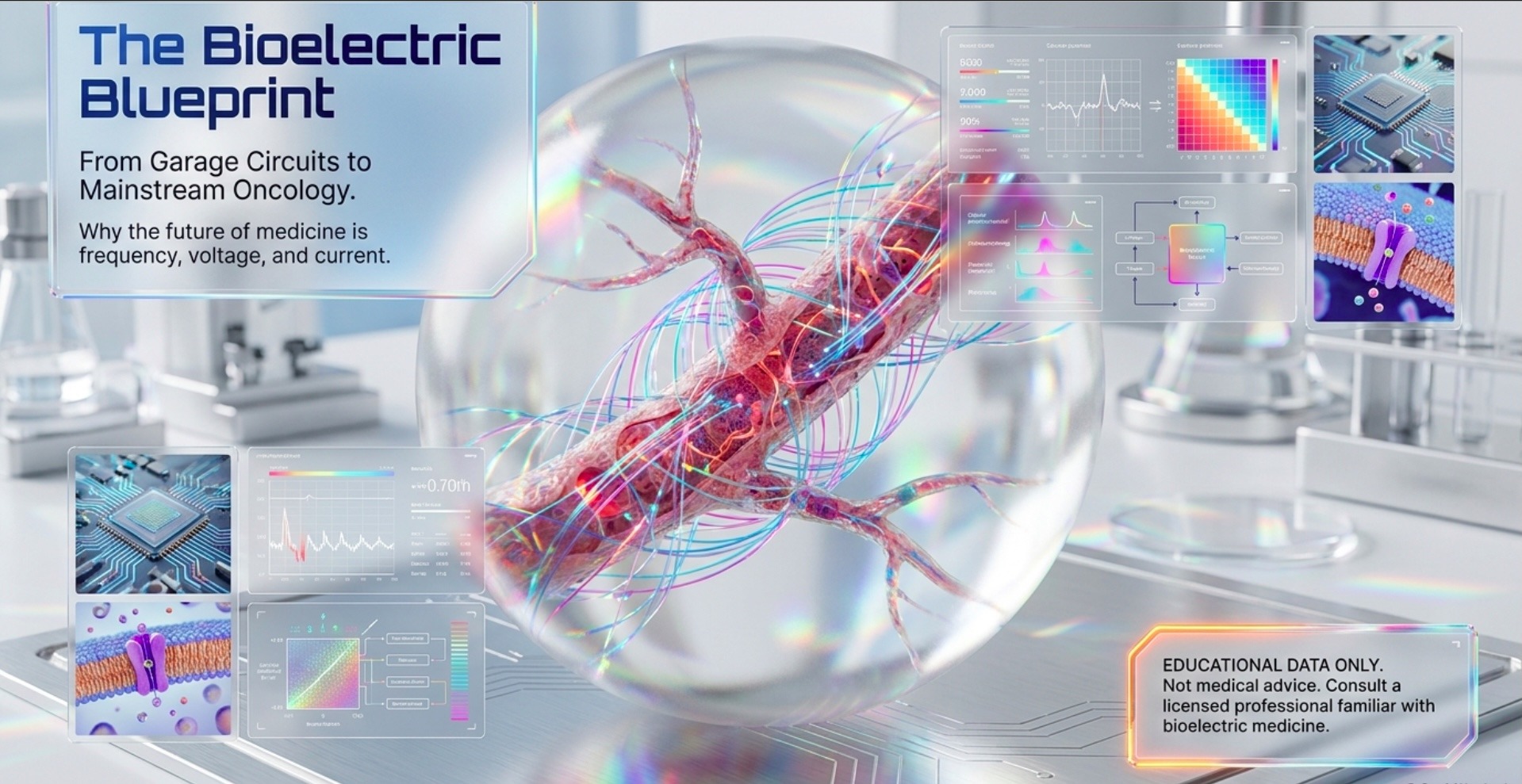
The Rise Of AI Guided Electronic Medicine. A New Approach.
There is a technology that keeps coming back. It appears in a 1920s laboratory, vanishes under institutional fire, reappears in a 1990 patent, lives for decades in garages and small clinics, and then, in 2026, shows up on a catheter inside a living vein. The latest version is a magnetically driven millirobot whose cilia stir circulating tumor cells out of the bloodstream in real time. The idea behind it is older than most of the people who will read this sentence. For a century, medicine has treated the body as a chemical factory. Drugs in, symptoms out. That model built modern hospitals and saved millions of lives. It also left an entire class of observations on the cutting-room floor: that cells run on voltage, that pathogens have electrical surfaces that can be altered without poisoning the host, that frequency and current can change inflammation, mitosis, and circulating load. Those observations never disappeared. They were simply declared inconvenient.
This article traces that lineage from Raymond Royal Rife through Morris Fishbein’s AMA scams and campaign of ridicule, the 1990 Einstein College HIV-current experiments, Bob Beck’s open-source protocol, Hulda Clark’s zapper, Jerry Tennant’s millivolt measurements, Carolyn McMakin’s frequency pairs, Novocure’s Tumor Treating Fields, histotripsy, and the CiliaVine robot now being discussed alongside William Shatner and his daughter. It is written as history and as a map. It is not a prescription.
I am not a doctor. Anyone considering any of these approaches should read the primary papers, weigh them against conventional care, and consult a licensed professional who actually knows this literature and the patient’s specific case. What follows is the record of a technology that refused to stay buried—and of the people who kept building it anyway.The first time I held a working blood-electrification circuit in my hands I was standing in a cold garage in the early 1990s, soldering iron still warm, following photocopied schematics that had arrived in a plain envelope from Bob Beck himself. The plans were simple: a handful of op-amps, a few resistors, a pair of silver electrodes, and a 9-volt battery. Yet the idea they encoded felt older than the century. It felt like something that had been waiting in the walls of American medicine for decades, repeatedly pushed back into the shadows.
This article is sponsored by Read Multiplex Members who subscribe here to support my work: Link: https://readmultiplex.com/join-us-become-a-member/
It is also sponsored by many who have donated a “Cup of Coffee”. If you like this, help support my work: Link: https://ko-fi.com/brianroemmele
Listen to the companion podcast: https://rss.com/podcasts/readmultiplex-com-podcast/3177772
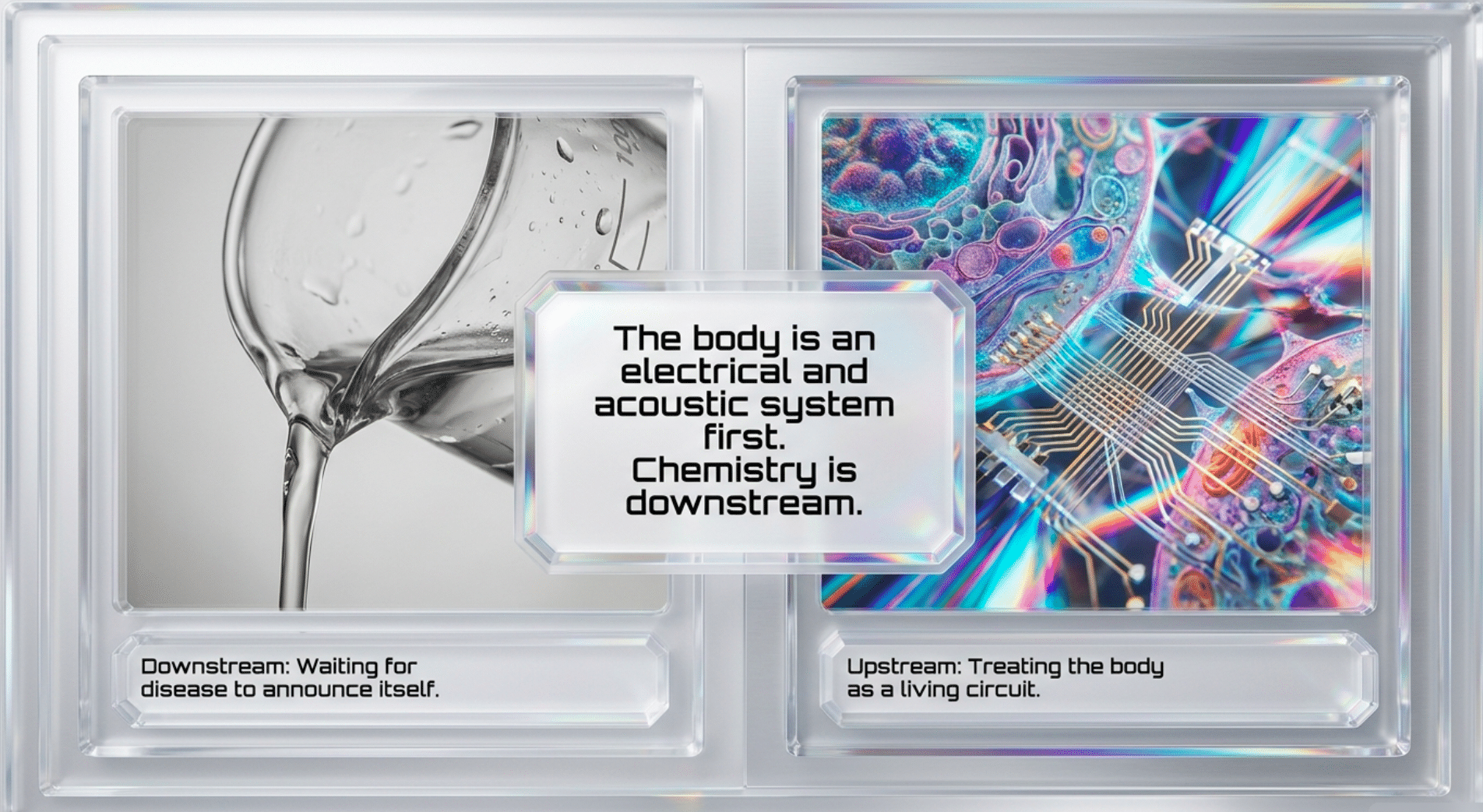
Chemistry Is Downstream To Electricity
This was just a thread in a tapestry of what we will see was suppressed protocols that impacted three generations. Today we are finally seeing some break in the storm clouds that was falsely casted on this avenue of research and we will show a major breakthrough as announced by William Shatner and Melanie Shatner Gretsch No-time-but-now pod podcast on the work of of Dr. Azra Raza MD, oncologist, researcher, and Columbia Medical professor about what’s next in the fight against cancer.
This article is from my personal perspective and research. I am not a medical professional and you should understand this. Disclaimer: I am not a physician. The following is educational and historical reporting on electronic and bioelectric research, not medical advice. Anyone considering these approaches should review the published studies themselves, weigh all conventional and alternative evidence, and consult a licensed professional who is familiar with bioelectric medicine and who can evaluate their individual medical history, current treatments, and specific needs in detail.

The waiting for this path of electronic medicine began in the 1920s when Royal Raymond Rife pointed his custom microscopes at living organisms and claimed he could watch them shatter under precisely tuned radio-frequency energy. Hospitals briefly took notice. Then the American Medical Association, under the iron editorship of Morris Fishbein, began its long campaign of ridicule and exclusion. Fishbein did not merely disagree with frequency devices; he treated them as existential threats to the pharmaceutical model he spent his career defending. Journals that once printed cautious reports on electrical therapies suddenly went silent. Researchers who persisted found their funding dried up and their reputations quietly dismantled. The expanding research in this direction, not being pharmaceutical was cut at all funding avenues.
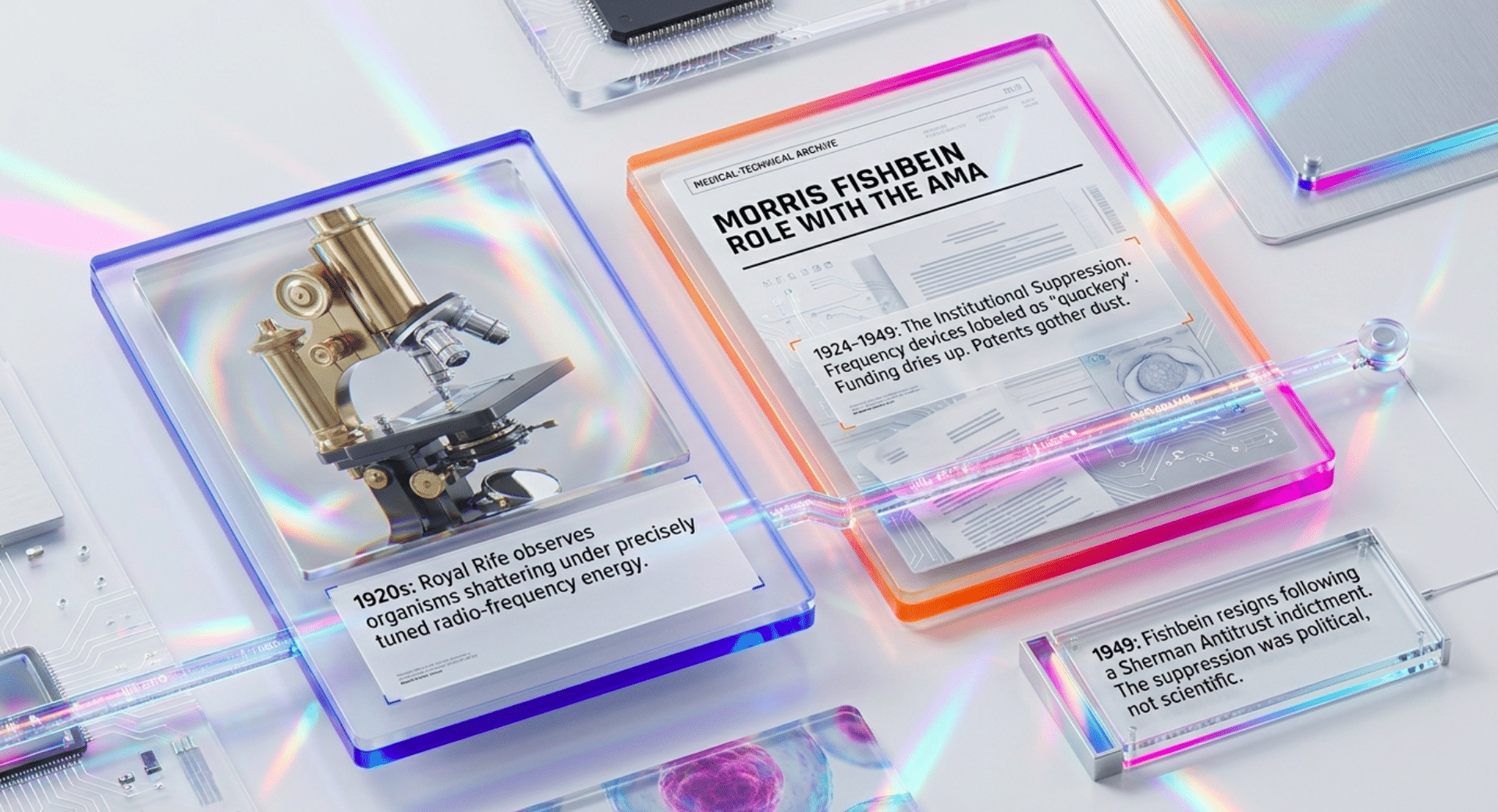
Fishbein’s power was extraordinary—and it eventually consumed him. For twenty-five years he controlled the Journal of the American Medical Association. He used that platform to brand entire categories of electrical and resonance work as “quackery,” a word he wielded like a legal weapon. He sued and was sued. In 1938 he and the AMA were indicted under the Sherman Antitrust Act. He spent years in court fending off libel actions from the very practitioners he had publicly destroyed; some plaintiffs, such as Harry Hoxsey, extracted nominal damages after juries heard scores of patients testify they had been helped. Even when Fishbein won—as he did against goat-gland surgeon John Brinkley, whom he labeled a charlatan—his “victories” piled up legal bills and political enemies. He cut the famous deal with tobacco companies to pay millions of dollars to the AMA and directly to himself for shutting down any papers that connected smoking to any adverse health. And got so bold as to have doctors recommend them in advertisements.
He is likely directly responsible for the death of millions.
By the late 1940s his scams, bombastic style and unrestrained power had made him a lightning rod of trouble inside his own organization. When he turned the same ferocity against national health insurance, the AMA Board of Trustees decided he was more liability than asset. In June 1949 they stripped him of his forums and announced his “retirement.” By December he had resigned the editorship he had held since 1924. The official language was polite. The internal reality was that the man who had spent a generation silencing others had finally been silenced by the institution he thought he owned. He left in disgrace with his some of his victims ultimately winning lawsuits against him.
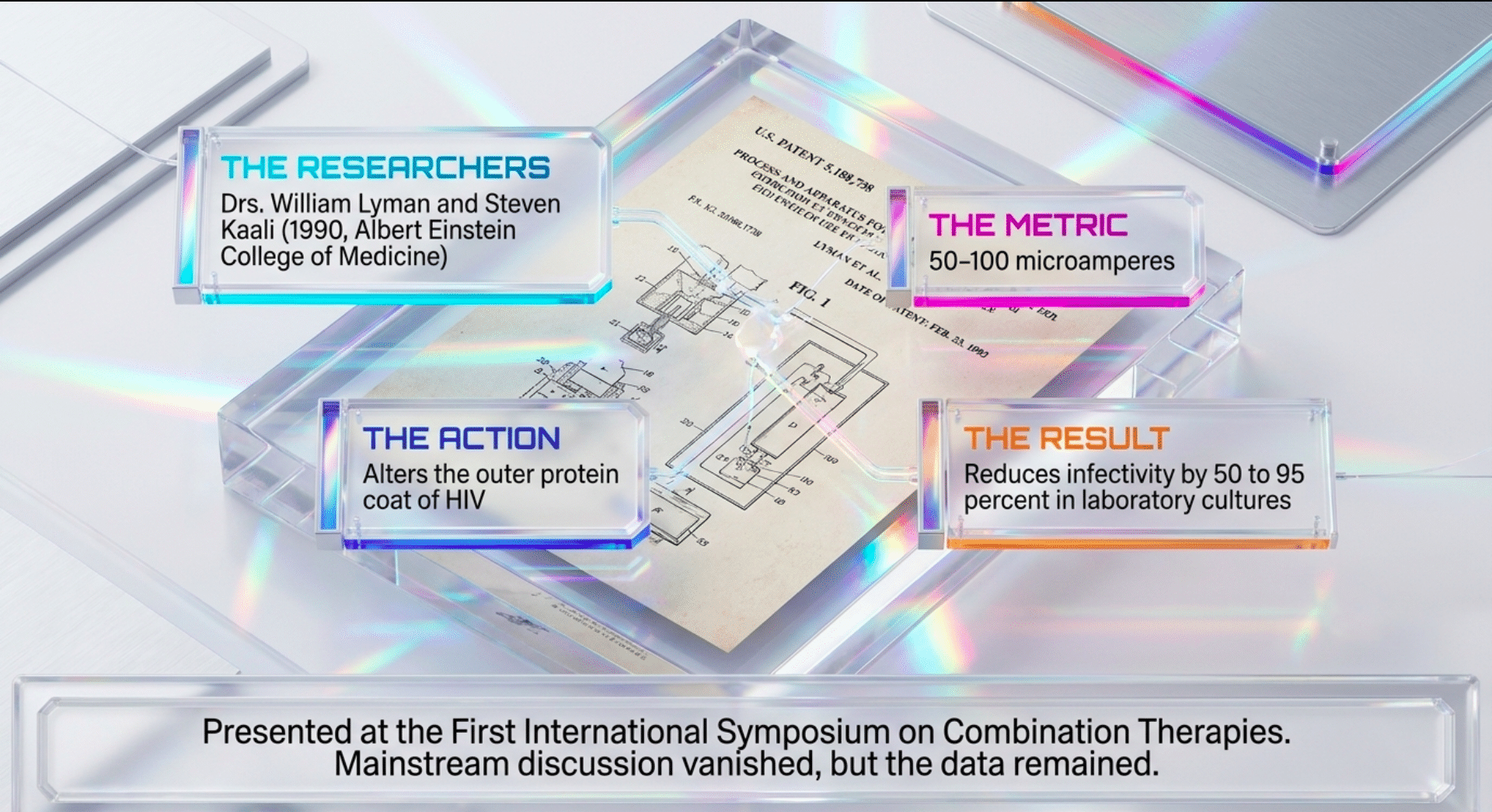
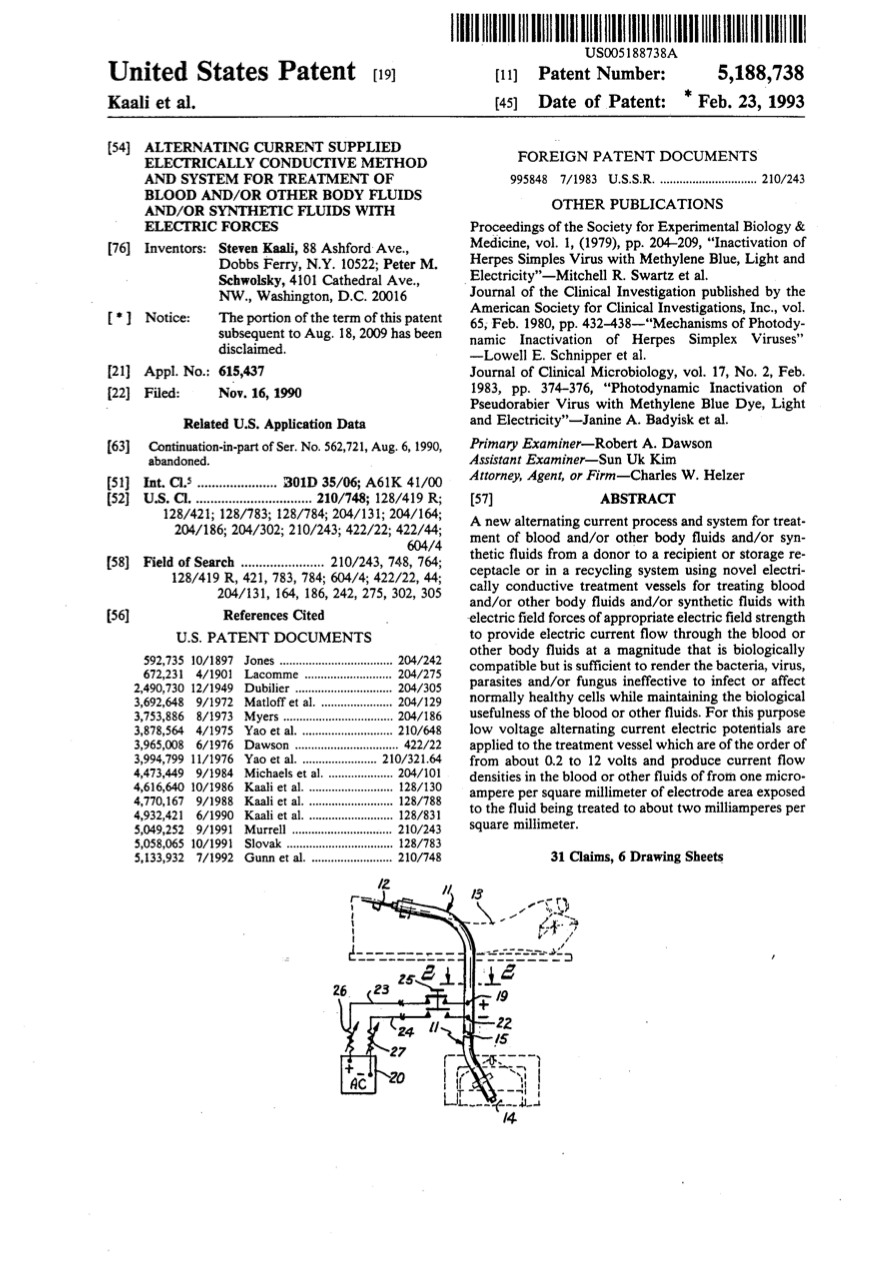
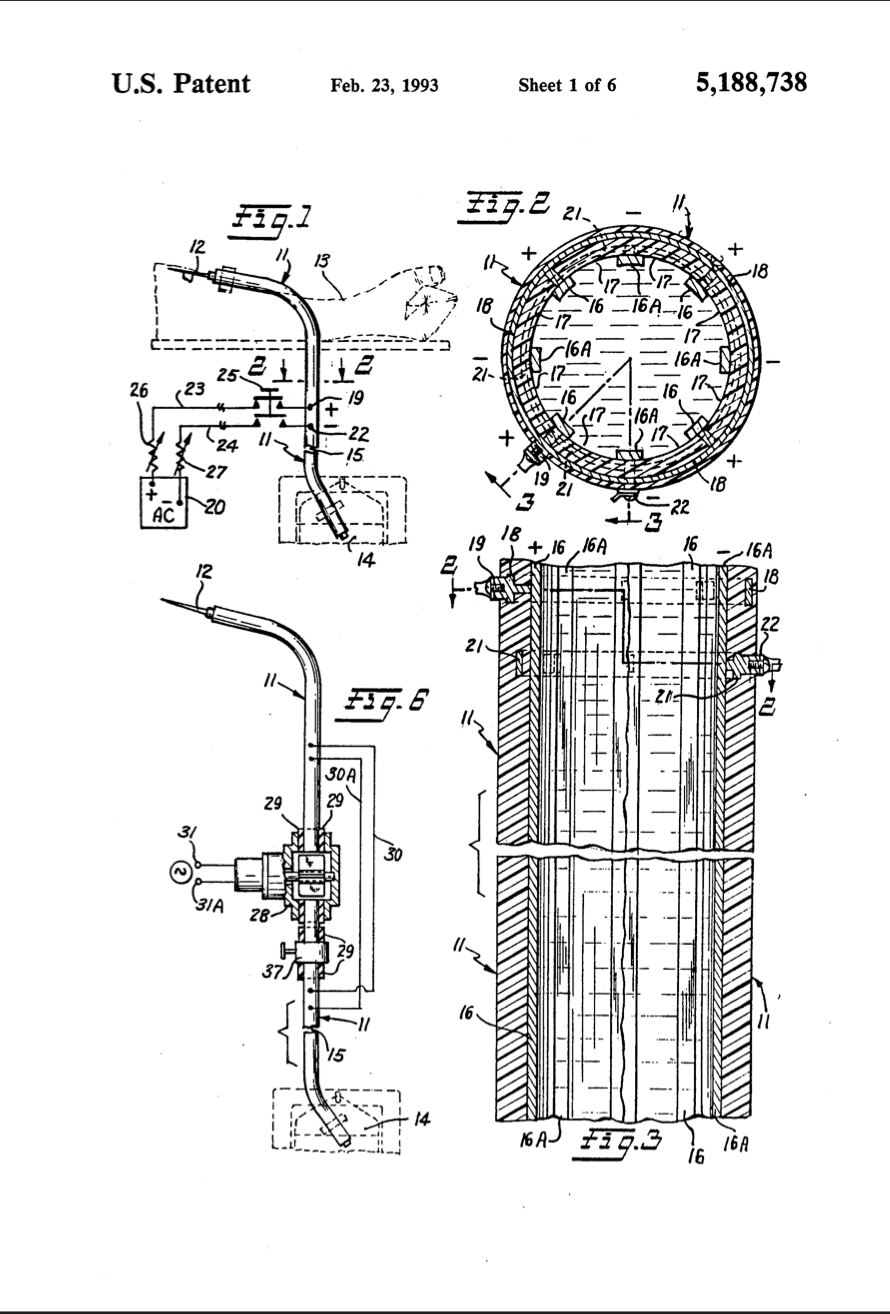
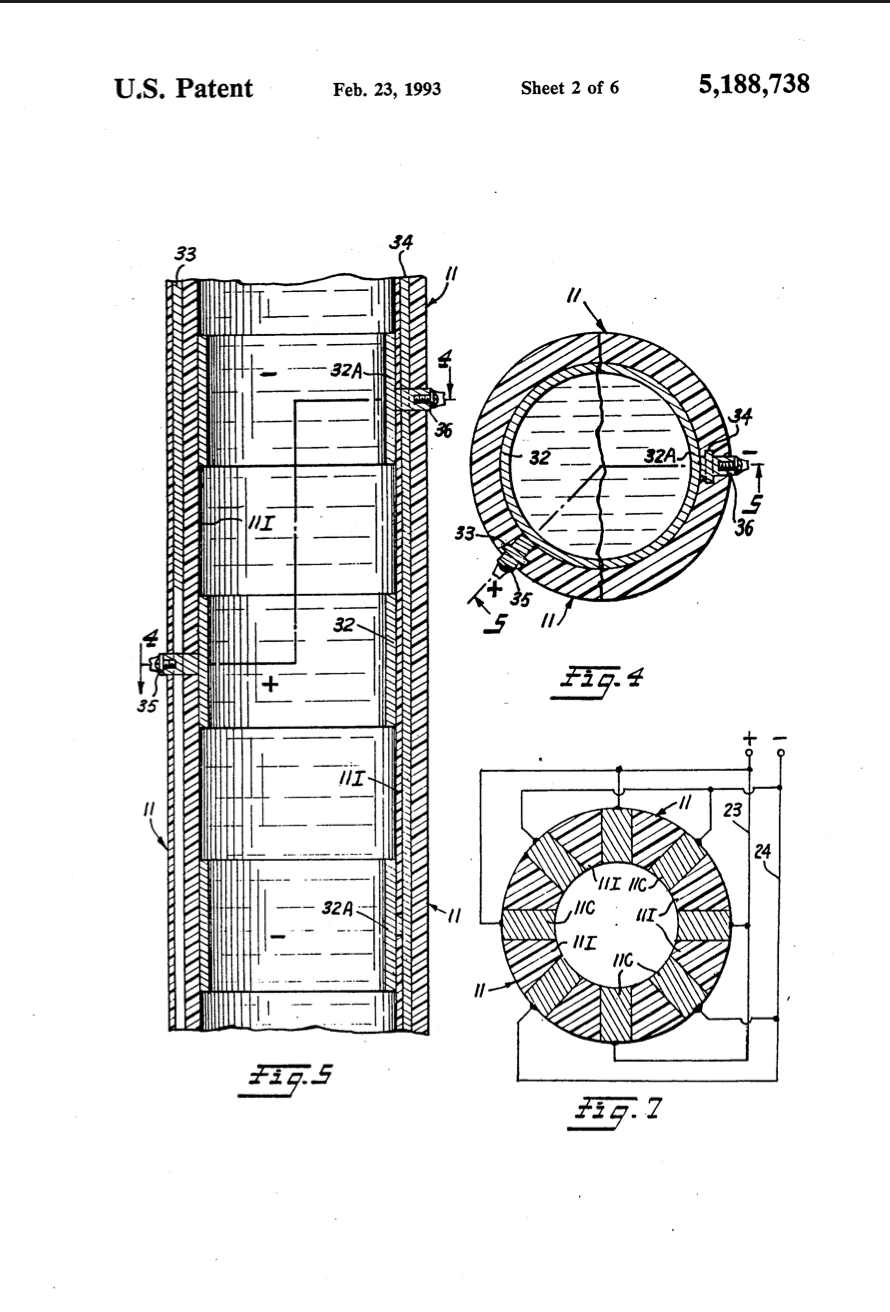
The suppression did not end with Fishbein’s departure. It simply became quieter and more bureaucratic. Patents on blood-current methods gathered dust. It took decades for any researches to gain the power to do research in this area. Than it all changed in 1990 when Drs. William Lyman and Steven Kaali at Albert Einstein College of Medicine demonstrated that a current of only 50–100 microamperes could alter the outer protein coat of HIV, preventing attachment to receptor sites and reducing infectivity by 50 to 95 percent in laboratory cultures. It was front page news across the world and then… it disappeared because Dr. Anthony Fauci (yes the very same) discounted it and promoted the very expensive and ineffective AZT protocol. A new foe to impact medical research known in the 1990s only to have an encore in 2020.

This man did not just halt this treatment he also halted many other therapies that held promise and proven later. For example, by 1987 community doctors already knew Bactrim and aerosolized pentamidine stopped the pneumonia that was killing people with AIDS. Activist Michael Callen and others met Fauci in May 1987 and asked for interim guidelines telling physicians to prophylax high-risk patients. Fauci refused: no controlled data. Callen later wrote that thousands of PCP deaths came after that meeting. A 1988 congressional review found NIAID had labeled aerosolized pentamidine a high-priority drug and then enrolled zero patients for thirteen months while thousands were already using it outside the official trials. He said “no protocol, no guideline.” People died of a preventable infection while the paperwork caught up.
The second case is access to the next antivirals, especially ddI. ACT UP and Martin Delaney’s Project Inform spent 1988–89 arguing that dying patients who could not get into AZT trials should get other nucleosides as soon as Phase I safety looked tolerable. Fauci at first held the classic line: only clean controlled trials. After months of meetings he flipped, announced “parallel track” in San Francisco in June 1989, and named ddI as the first candidate. He deserves credit for the reversal. He also owns the months before it, when official policy was still “wait for the trial.” That delay is real. Compound Q and a pile of buyers’-club chemicals are not in this category: Q’s underground trial had deaths and the drug never became standard care. The electric-current work from Einstein was never shown to treat patients. Those were not useful therapies he killed. PCP prophylaxis and early ddI access were.

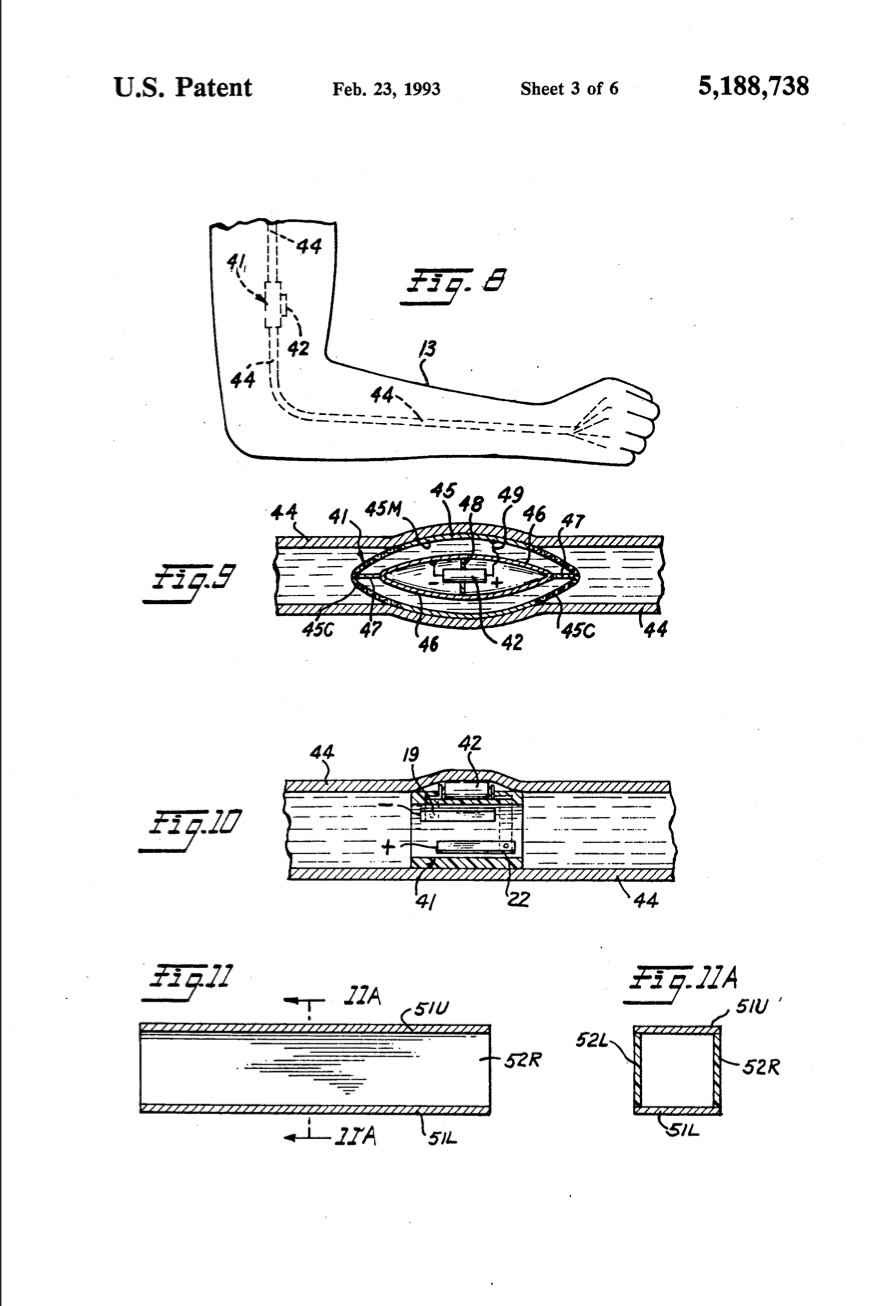
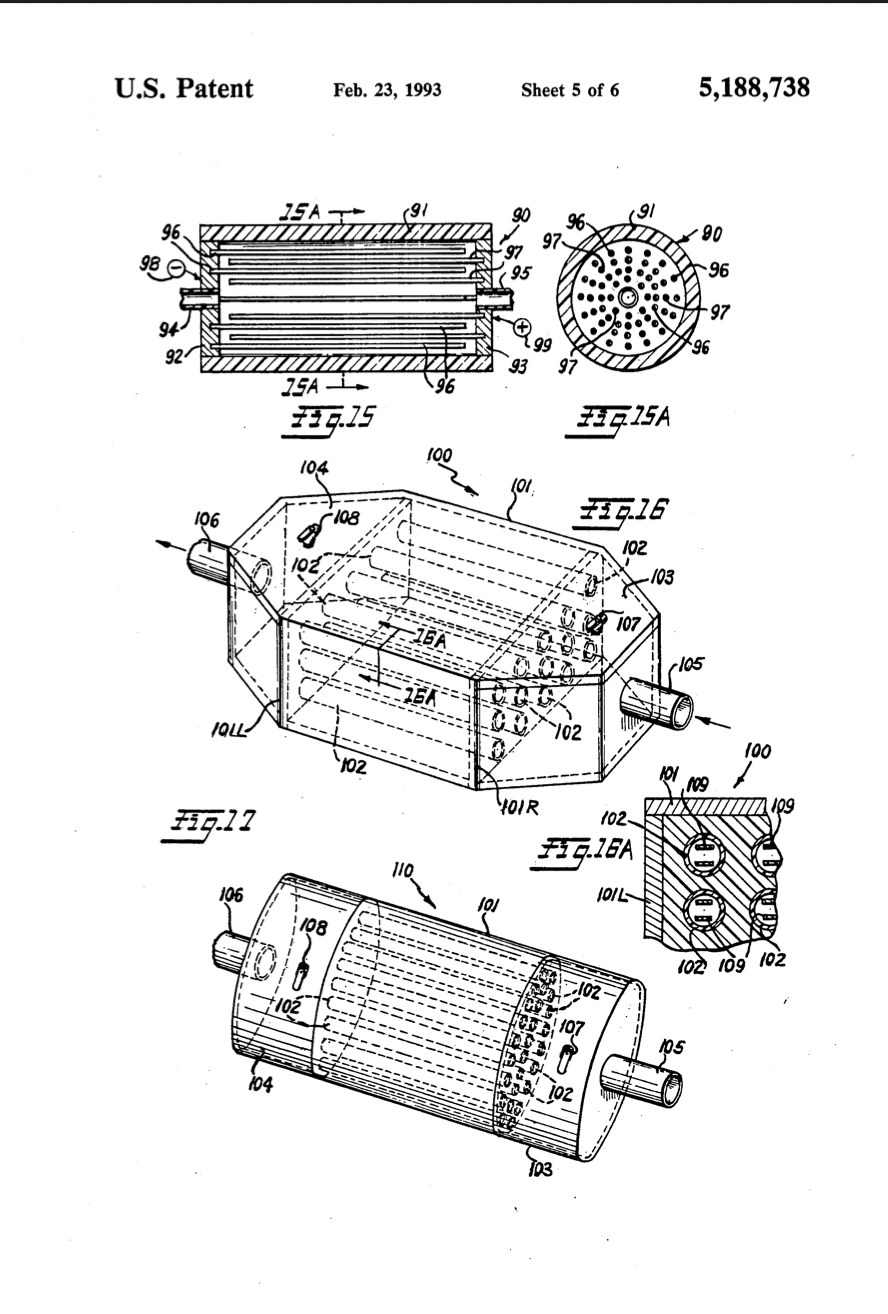
The Aids research findings were presented at the First International Symposium on Combination Therapies and reported in Science News (March 30, 1991, p. 207; https://www.thefreelibrary.com/Shocking+treatment+proposed+for+AIDS.-a010607122). It later appeared in U.S. Patent 5,188,738 (https://patents.google.com/patent/US5188738A). As mentioned Drs. William Lyman and Steven Kaali demonstrated that a current of only 50–100 microamperes could alter the outer protein coat of HIV, preventing attachment to receptor sites and reducing infectivity by 50 to 95 percent in laboratory cultures. It had press and academic interest. But they had a swift rejection by Fauci and soon mainstream discussion then vanished.
Dr. Bob Beck
Physicist Dr. Bob Beck read that paragraph and just about fell back in his seat, he understood its implication, and spent the rest of his life giving a non-invasive version of the technology away. He produced plans and held $1 seminars to spread what he knew. Why? The same gallery of people were after him, just waiting for him to make a single health claim. He never did. I attended a few of his many seminars and saw the results from many repeat attendees. My young mind would yell to the sky “WHY!?”. You see some of the answers in this article.
The four-part protocol as Beck presented it
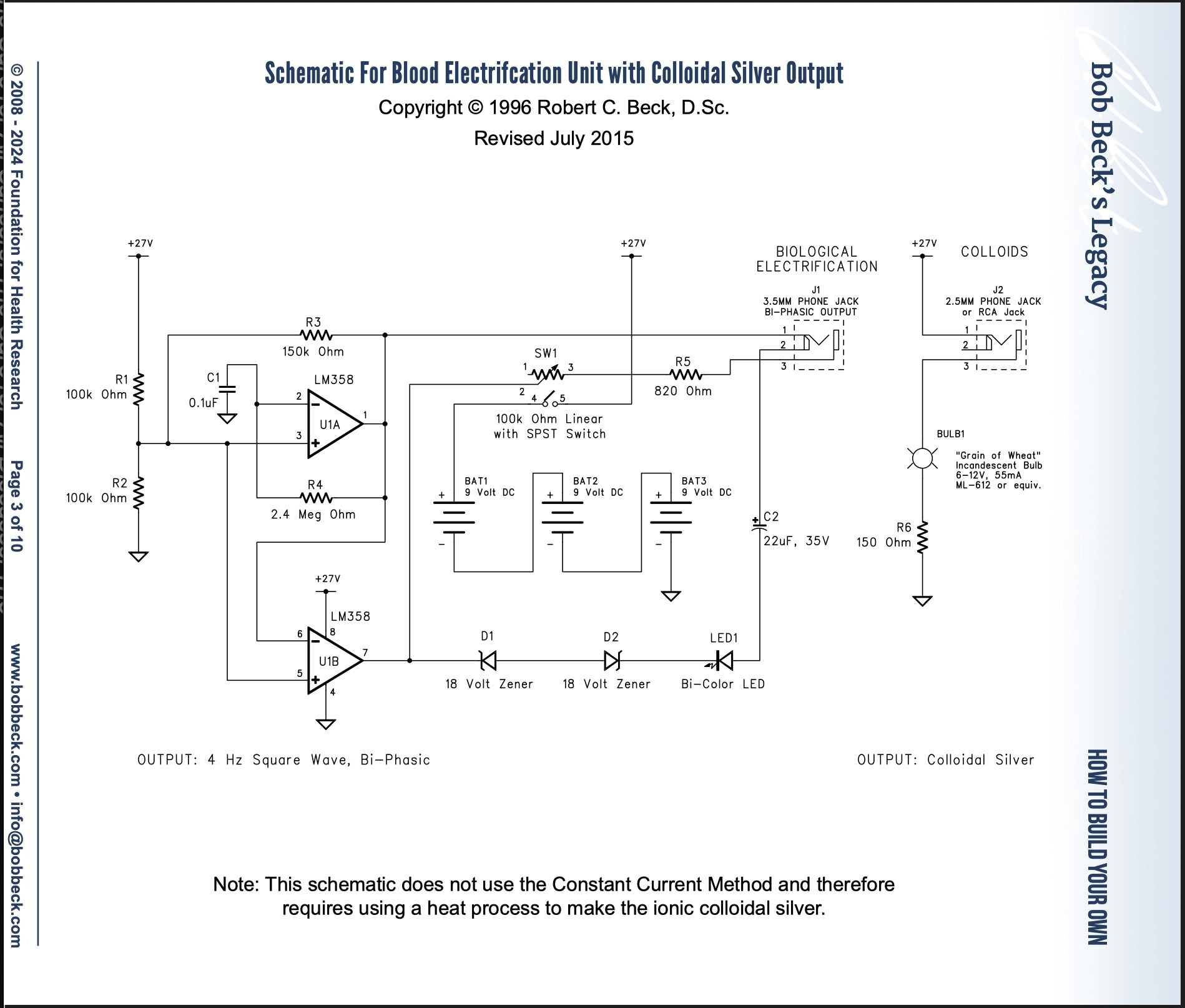
Beck’s later “Beck Protocol” is four complementary pieces. He said they can be used separately; wrist pulsing was the core.
- Wrist pulsing / blood electrification
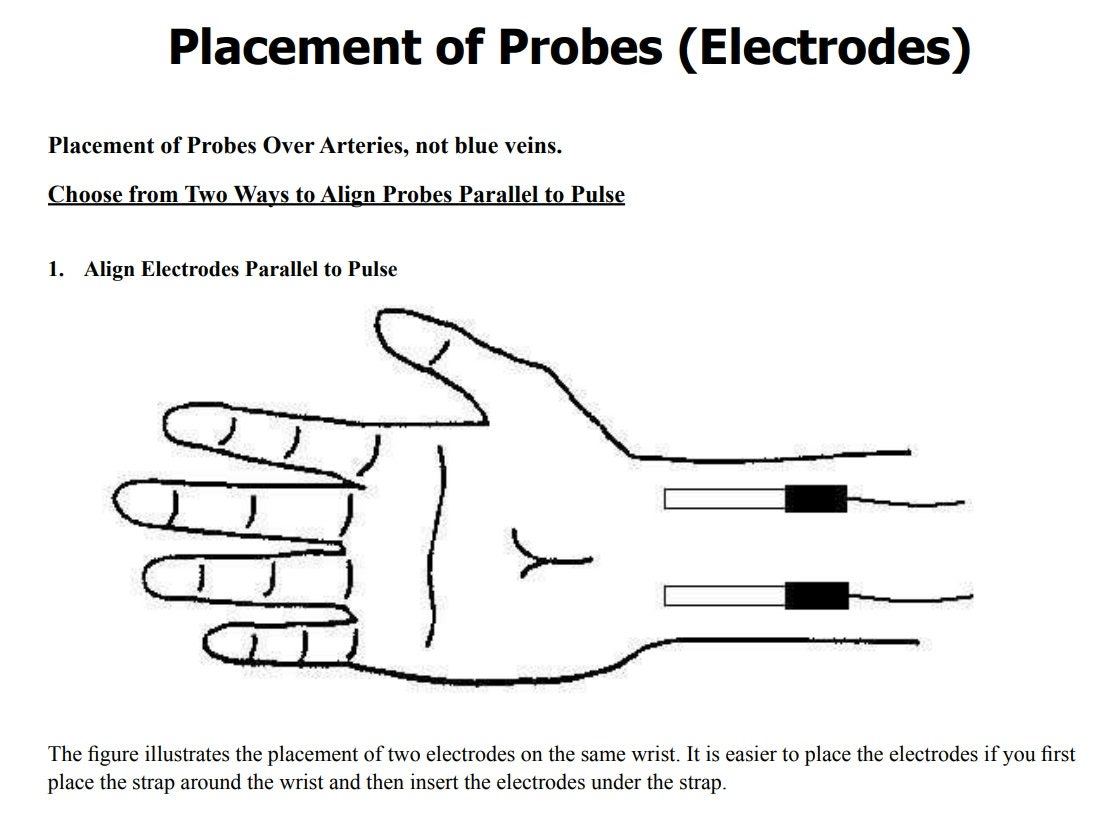
Biphasic sharp-rise square wave at about 4 Hz (not critical), ±27 V, intended to deliver roughly 50–100 µA through flowing blood. Electrodes on the same wrist over the radial and ulnar arteries, cotton-covered stainless electrodes wet with dilute sea-salt water (never bare metal on skin). Typical session he published: 2 hours/day for at least 3–4 weeks (later notes often say 4–12 weeks). - Magnetic pulser (PEMF / “thumper”)
Capacitor-discharge pulse into a ~2.5 mH coil (often wound on a VHS reel with ~130 turns of #14–16 AWG magnet wire). His cheap method: modify a camera electronic-flash / strobe and put the coil in the flash-tube discharge path. Used over lymph nodes and tissue, not as a substitute for wrist pulsing. - Ionic colloidal silver
Same 27 V battery pack (or the extra jack on the 1996 box). Pure silver electrodes in distilled water. Early method used a grain-of-wheat lamp as ballast; later notes discuss heat vs. constant-current methods. - Ozonated drinking water
Fresh ozone bubbled into water as a flush/detox adjunct.
Bob Beck’s first flyer I saw:
https://health-parameters.com/wp-content/uploads/2012/01/Dr_Beck01.pdf
Bob Beck’s later flyer:
https://www.bobbeck.com/pdfs/build-your-own.pdf
Dr. Hulda Clark
Running parallel to Beck’s work was the equally determined research of Hulda Regehr Clark, a naturopath who spent the 1990s refining a simple battery-powered device she called the zapper. Clark’s central thesis was that a single parasite—the human intestinal fluke—together with environmental pollutants such as isopropyl alcohol, was the common cause of cancer, AIDS, and a long list of chronic illnesses. Her solution combined a short herbal cleanse with a handheld electrical instrument that delivered a positively offset square-wave pulse. Interestingly enough there is research into anti-parasitics medicines to treat a number of diseases including cancer. We will not cover this here.
Clark originally used commercial frequency generators to hit the specific “mortal oscillatory rates” she had catalogued for dozens of bacteria, viruses, and parasites. In 1994 her son built a compact, battery-operated unit intended to target the fluke at 434 kHz. When she tested it, she discovered that a wide band of frequencies—anywhere from 10 Hz to 500 kHz—killed multiple classes of organisms at once, provided the waveform stayed positive-offset and the voltage remained between 5 and 10 volts. The protocol that emerged was three seven-minute sessions separated by twenty-minute rest periods, repeated as needed.
The zapper itself is a 555-timer circuit driving two copper or stainless-steel electrodes that the user holds or straps to the wrists or ankles. Unlike Beck’s device, which focuses a microampere current through the radial and ulnar arteries at roughly 4 Hz, Clark’s instrument applies a broader, higher-frequency field across larger tissue volumes. She argued that the positive-offset pulse both disables pathogens directly and stimulates white-blood-cell activity, giving the immune system a second chance to clear what the electricity has stunned.
Clark published her findings in a series of books—The Cure for All Cancers (https://amzn.to/3TIQgz7), The Cure for All Diseases (https://amzn.to/3V5iaWs), The Cure for HIV and AIDS (https://amzn.to/4h9XvsP) —that mixed Syncrometer testing, herbal formulas, and the zapper protocol. She operated a clinic in Tijuana where late-stage patients received intensive daily zapping. Critics dismissed the work as unproven; supporters pointed to the same laboratory principle that Kaali and Lyman had measured: low-level electrical current can alter the surface proteins of microorganisms without destroying healthy cells.
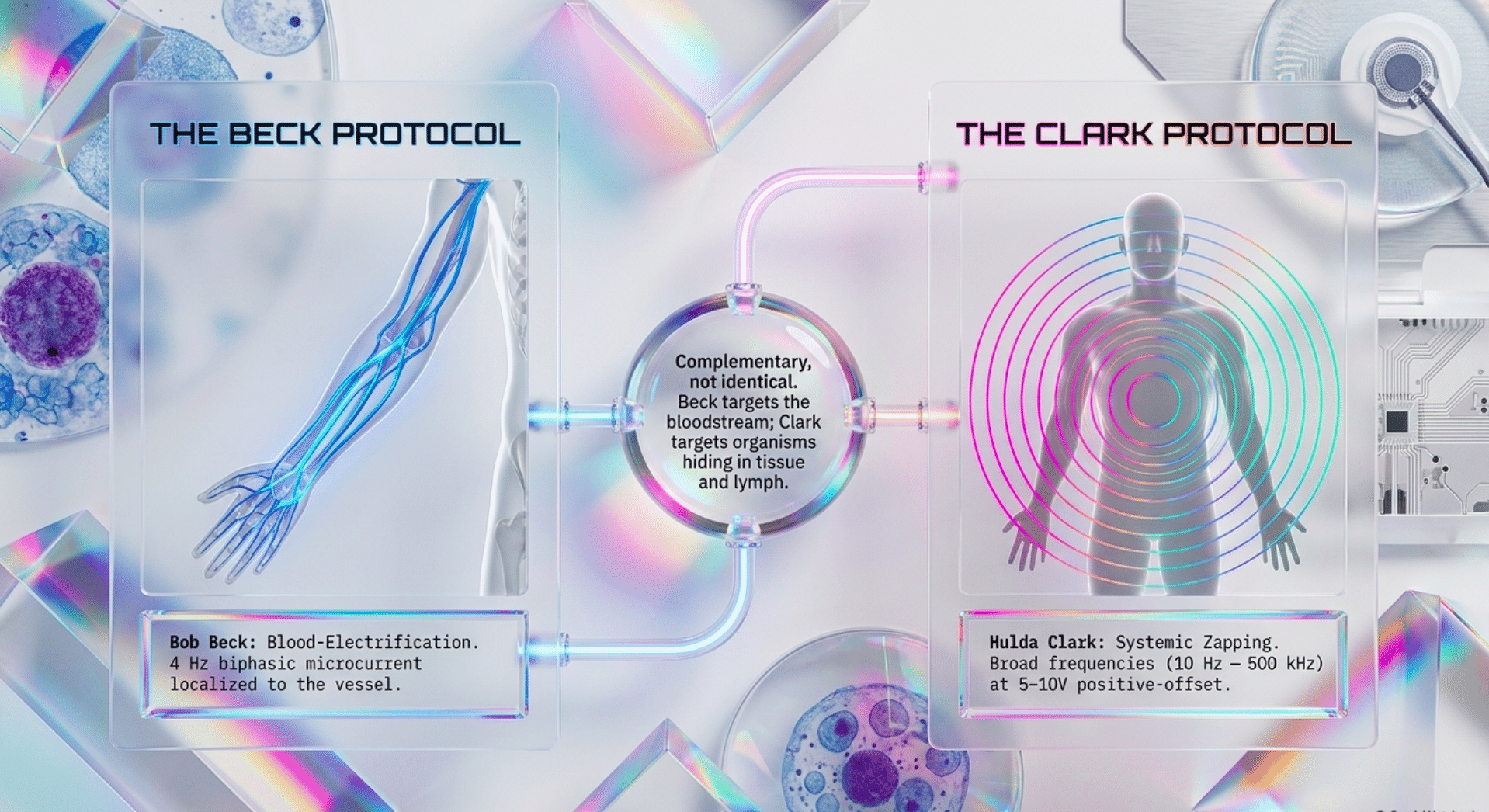
The two approaches are complementary rather than identical. Beck’s protocol is blood-specific and uses an extremely low frequency chosen to stay inside the vessel. Clark’s zapper is systemic and uses a higher-frequency positive-offset wave that she believed reached organisms hiding in tissue and lymph. Many people who adopt electronic medicine today run both: daily wrist pulsing with a SOTA or Beck-style unit and periodic Clark-style zapping sessions.
Dr. Jerry Tennant
A third, equally important strand comes from Dr. Jerry Tennant, a board-certified ophthalmologist who founded the Dallas Eye Institute and was among the first American surgeons to implant intraocular lenses and to work with the Excimer laser. In 1994, while performing laser procedures, viruses released from corneal tissue entered his own system and produced encephalitis and a cascade of neurological damage. Conventional medicine offered little. Tennant turned to the electrical nature of the cell itself. His framework and devices are documented at https://tennanthealth.com/. He wrote the definitive book on his protocol Healing is Voltage: The Handbook (https://amzn.to/4yXSnhB) and speaks to how all cells require an exact voltage, if it drops, you will get sick. Drop long enough and the sickness could be life threatening.
Tennant’s central observation is simple and measurable: a healthy cell operates at approximately –20 to –25 millivolts. To manufacture the new cells required for repair, the voltage must rise to about –50 millivolts. Chronic disease, in his framework, is the state in which voltage has fallen too low for regeneration to occur. Polarity can also reverse, leaving tissue electrically “backward.” Healing therefore requires two steps: restore correct polarity, then restore sufficient voltage.
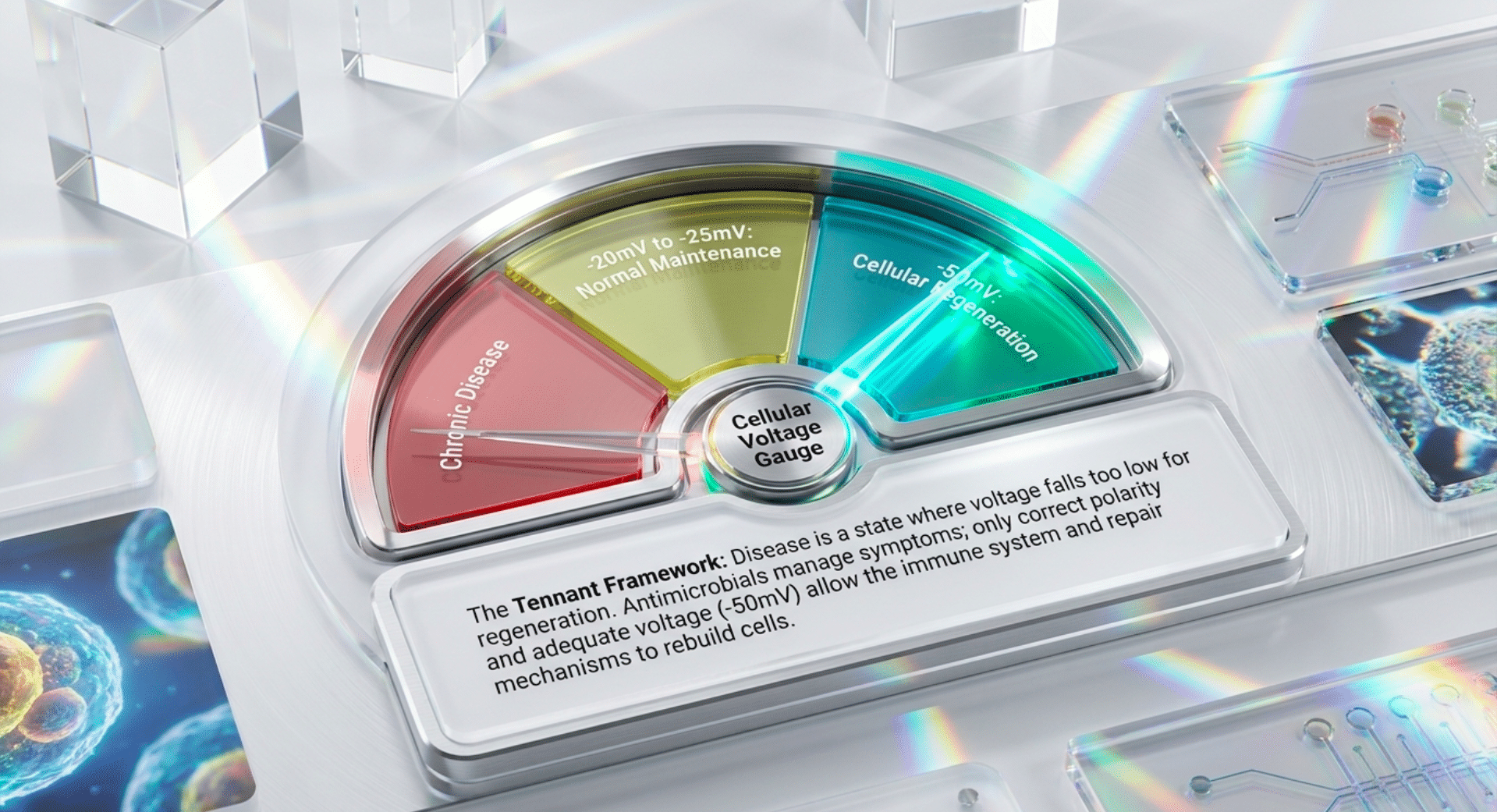
He developed the Tennant Biomodulator, an adaptive microcurrent device built on Soviet SCENAR technology originally researched for cosmonauts. The instrument reads the electrical state of the tissue it touches and continuously adjusts its output. A companion device, the BioTransducer, uses a contact-free scalar field to correct polarity before voltage is added. Tennant published the framework in Healing Is Voltage and continues to teach the protocols himself.
Tennant’s work supplies the missing physiological rationale that unites Rife, Beck, and Clark. Frequency and current are not merely tools for killing pathogens; they are tools for returning cells to the voltage at which they can rebuild. When voltage is adequate, the immune system and the body’s own repair mechanisms function as designed. When voltage is chronically low, even the best antimicrobial protocol can only manage symptoms.
Dr. Carolyn McMakin
Carolyn McMakin, M.A., D.C., added a fourth, highly specific strand when she developed Frequency Specific Microcurrent in 1995. Working from frequency lists preserved from 1920s electrotherapy machines and refined through an osteopath’s practice in Canada, she built a two-channel protocol that delivers paired frequencies in the hertz range at currents below 500 microamperes. One channel is assigned to a tissue type; the other to a condition. The official resource is https://frequencyspecific.com/.
McMakin’s published work includes a 2005 study in the Journal of Bodywork and Movement Therapies showing that FSM treatment of fibromyalgia associated with cervical-spine trauma dropped average VAS pain from 7.3 to 1.3 and produced large, statistically significant reductions in inflammatory cytokines including IL-1. A blinded animal study at the University of Sydney found that a four-minute exposure to an inflammation-reduction frequency pair reduced swelling 62 percent—outperforming the drugs tested in the same model.
Practitioners now number in the thousands across more than twenty countries. FSM is used for neuropathic pain, delayed-onset muscle soreness, scar remodeling, and visceral conditions. It does not replace Beck’s blood-focused current or Clark’s broader zapper; it supplies tissue-and-condition specificity that those devices were never designed to provide.
Taken together with Tennant’s voltage measurements, McMakin’s paired frequencies complete a practical map: restore polarity and charge, then address the particular tissue and the particular pathology with the frequencies that appear to change its electrical and inflammatory state.
Histotripsy And Tumor Treating Fields FDA Approved
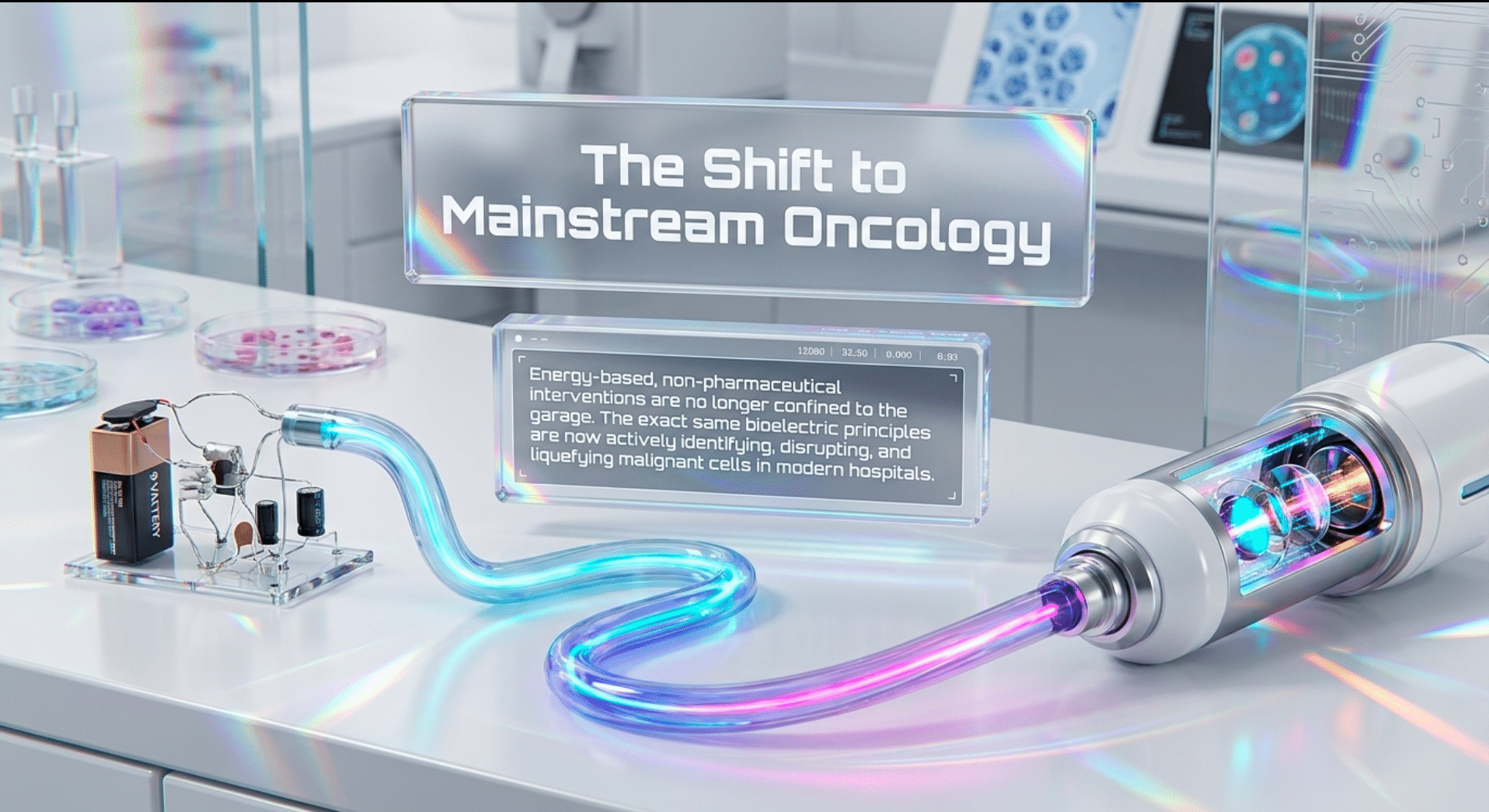
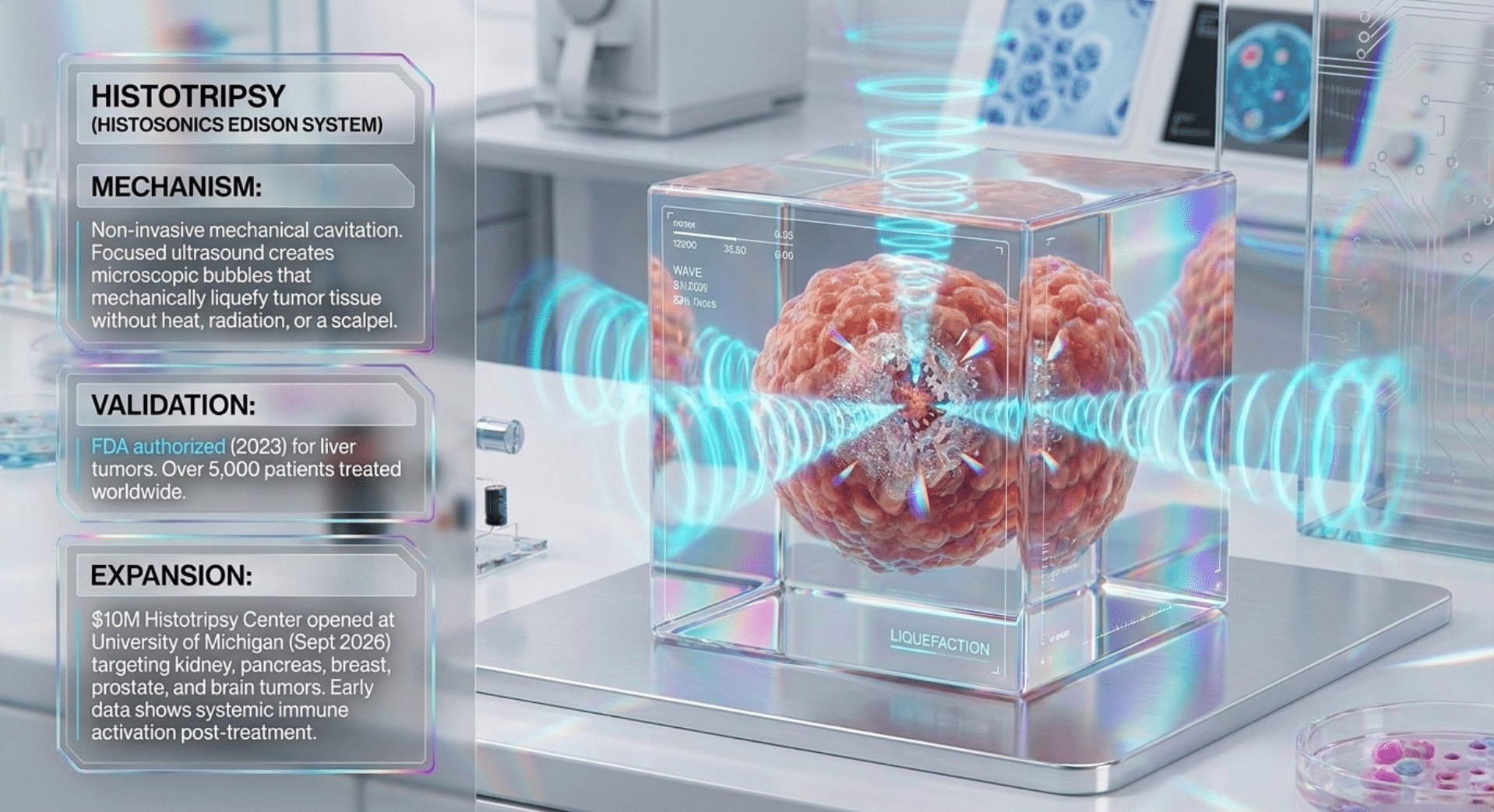
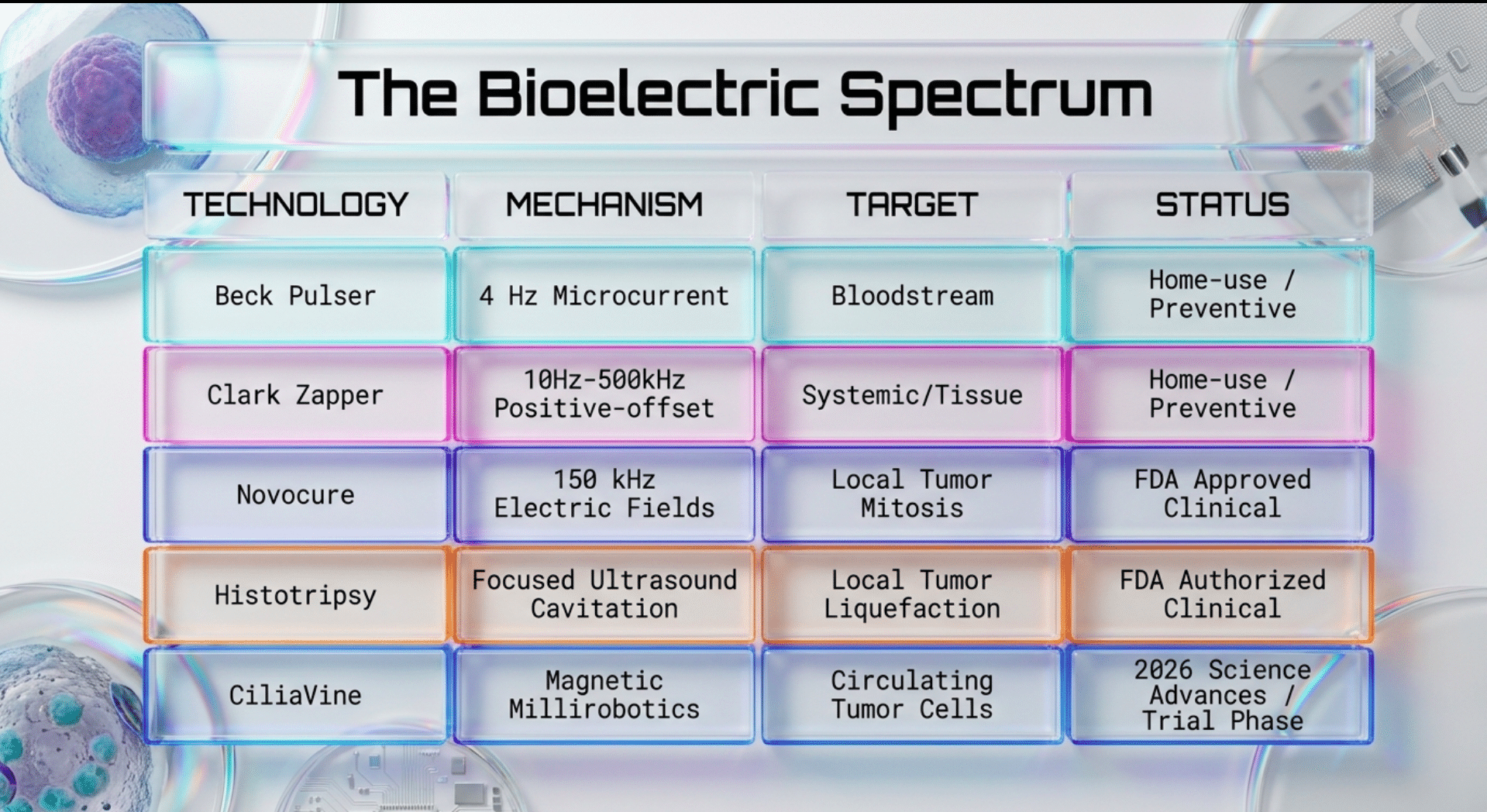
Two additional technologies now sit at the clinical end of the same continuum. Histotripsy, invented at the University of Michigan and commercialized by HistoSonics (https://histosonics.com/) as the Edison system, uses focused ultrasound to create microscopic cavitation bubbles that mechanically liquefy tumor tissue without heat, radiation, or incision. The FDA authorized it for liver tumors in 2023; more than 5,000 patients have been treated worldwide. A $10 million Histotripsy Center opened at Michigan in September 2026 to expand the method to kidney, pancreas, breast, prostate, and brain tumors. Early data show high technical success, mild side effects, and evidence of systemic immune activation after treatment.
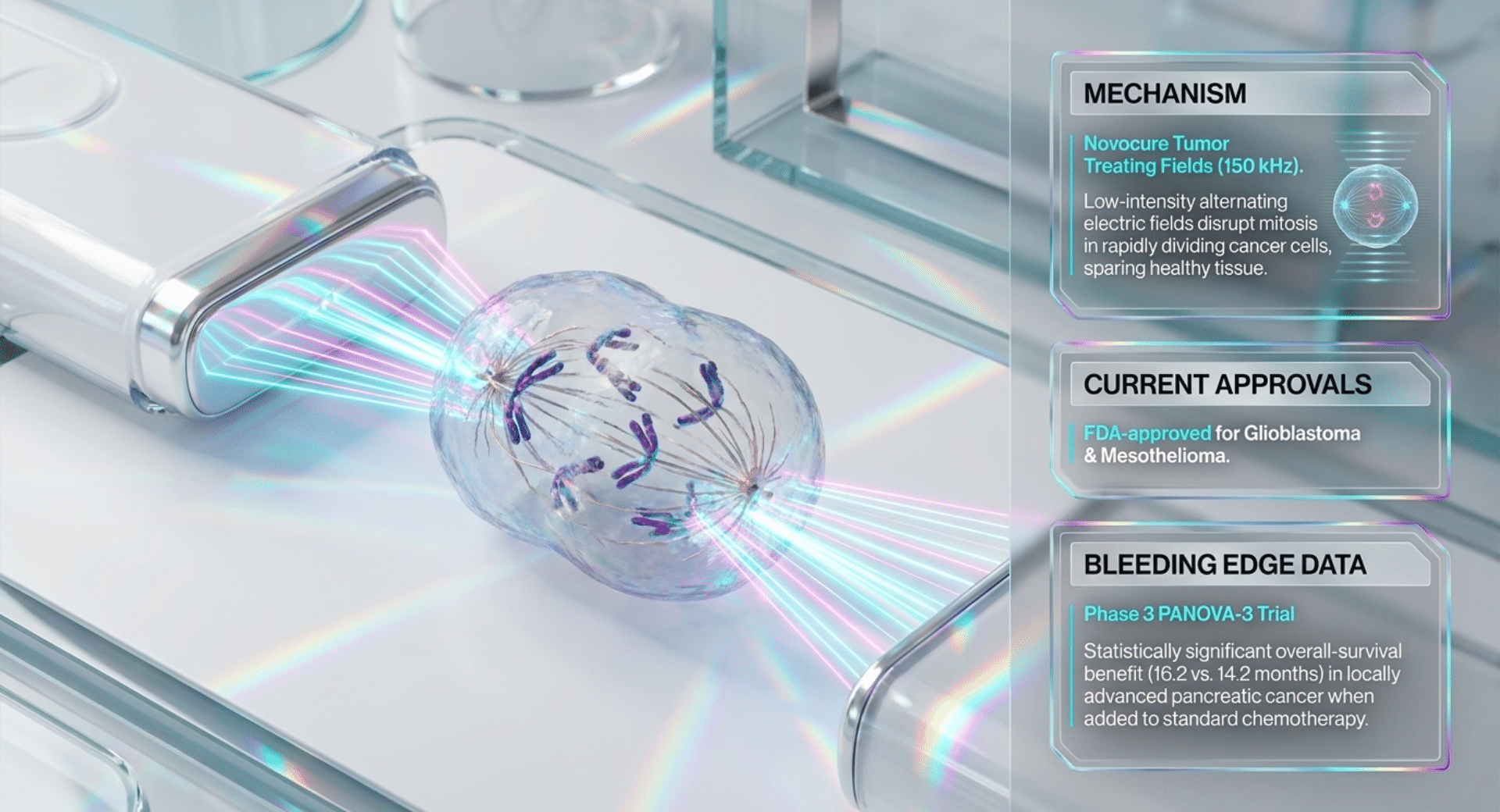
Novocure (https://www.novocure.com/) delivers Tumor Treating Fields (TTFields)—low-intensity alternating electric fields (typically 150 kHz) through transducer arrays worn on the skin. The fields disrupt mitosis in rapidly dividing cancer cells while leaving healthy tissue largely unaffected. TTFields are already FDA-approved for glioblastoma and mesothelioma. The phase 3 PANOVA-3 trial demonstrated a statistically significant overall-survival benefit when TTFields were added to gemcitabine plus nab-paclitaxel in locally advanced pancreatic cancer (median 16.2 versus 14.2 months). Novocure has filed a premarket approval application for that indication. These two platforms—mechanical cavitation by ultrasound and mitotic disruption by electric fields—show that energy-based, non-pharmaceutical intervention is no longer confined to the garage or the alternative clinic; it is entering mainstream oncology.
CiliaVine Mentioned By William Shatner
I built my first unit from those plans in the garage because I could see the same pattern repeating. The circuit worked. Friends who used it reported fewer infections, clearer energy, and laboratory numbers that moved in directions conventional medicine called coincidental. I kept building. I kept watching. I am no doctor and I have no degrees, I just saw results.
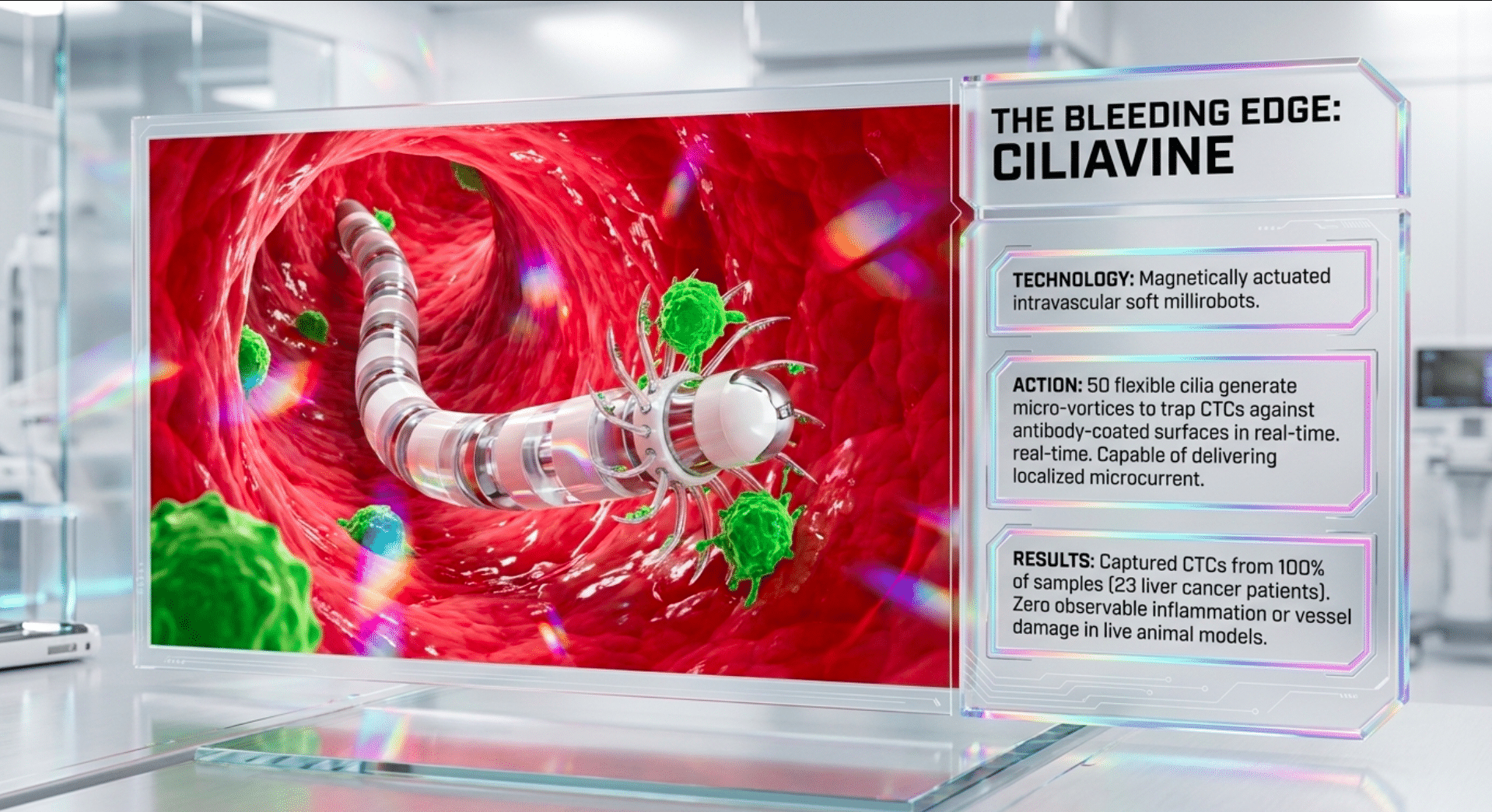
Today that same principle has moved from the wrist into the vein. The product shown in the video circulating with William Shatner and his daughter Melanie is CiliaVine, a magnetically actuated intravascular soft millirobot. It is attached to a standard medical guidewire and delivered through a catheter into a vein. Fifty flexible cilia on its surface oscillate under programmed magnetic fields, generating micro-vortices that pull circulating tumor cells toward antibody-coated surfaces for real-time capture. The same microcurrent range first validated in 1990 can be applied locally at the point of contact. The exact same microcurrent.
The research behind CiliaVine was published in Science Advances (https://www.science.org/doi/10.1126/sciadv.aeg3333) in 2026 by teams from the Shenzhen Institute of Artificial Intelligence and Robotics for Society, The Chinese University of Hong Kong, and Chinese PLA General Hospital. I hazard to say, I don’t think this research would have taken place in the US four a number of reasons. In laboratory vessel models the robot accelerated clot dissolution and improved targeted drug delivery. When tested on blood samples from 23 patients with liver cancer it captured circulating tumor cells from every sample. In living rabbits bearing liver tumors the device was inserted via catheter, operated magnetically for 20 minutes, and produced no observable inflammation or vessel damage. These results establish both mechanical capture of rare cells and the safety of brief intravascular operation.
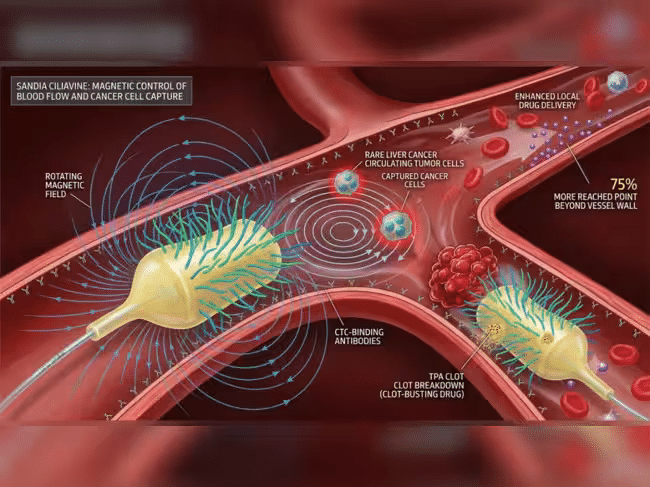
The numbers behind the CiliaVine technology
Patient blood (ex vivo, not inside patients):
- 23 liver-cancer blood samples from PLA General Hospital
- Antibody-coated cilia (mixed-antibody strategy)
- CTCs captured in all 23 samples
- Counts: 1–33 cells
- Stage A (early): mean 9.7 ± 9
- Stage B/C: mean 19.4 ± 16
They treat CTC count as a possible progression marker, not a standalone diagnosis.
Lab capture performance: at 8 Hz actuation and 3 ml/min flow, capture was about 4.6× a static (non-beating) robot. It still worked at 10 cells/ml spike levels.
Rabbits (in vivo):
- VX2 liver-tumor rabbits
- Catheter into a major vein, 20 minutes of magnetic actuation
- Examined vessel segments: no reported inflammation or tissue damage
- Tumor-bearing rabbits: median 32 captured cells vs 1 in controls
Other functions in the same paper (not just CTC capture):
- Model-drug transport to the wall: +146% vs passive diffusion; +75% at 1 mm beyond the wall
- tPA clot models: dissolution ~40 min with the robot vs ~70 min without (~43% faster)
How to read the claim
This is not a clinical diagnostic device yet. It is:
- a flow-control millirobot
- shown to enrich rare CTCs from patient blood samples
- shown to sit in rabbit veins for 20 minutes without obvious local injury
Human use would still need catheter insertion, magnetic control hardware, antibody coating validated for specific cancers, and actual clinical trials. The authors themselves frame it as a platform for “site-selective CTC enrichment from specific vascular regions,” targeted delivery, and thrombolysis — not as a drop-in blood test.
Related earlier work from the same group (not CiliaVine, but same lab line): Nature Biomedical Engineering paper listed on the AIRS site — “A miniature endovascular soft robot for active blood flow regulation in occluded vessels.” That is the prior flow-regulation robot; CiliaVine is the ciliated multimodal version.
What is CiliaVine?
What is CiliaVine? It is a soft intravascular millirobot built to solve a physics problem that drugs and catheters have never fully solved. Blood in a healthy vessel moves in laminar layers: fastest at the center, almost still at the wall. That boundary layer keeps circulating tumor cells, clot fragments, and many drugs from crossing the stream. The invention is a vine-like polymer stem mounted on a standard medical guidewire, covered with fifty flexible cilia loaded with magnetic particles. External magnetic fields make those cilia beat in programmed modes, turning smooth flow into controlled micro-vortices that pull material toward the wall or clear it from a clot.
The device was developed by researchers at the Shenzhen Institute of Artificial Intelligence and Robotics for Society, The Chinese University of Hong Kong, and Chinese PLA General Hospital. Their paper, “A ciliated intravascular soft millirobot for multimodal in-flow collective manipulation,” appeared in Science Advances in August 2026 (https://www.science.org/doi/10.1126/sciadv.aeg3333). The design is deliberately simple at the hardware level and sophisticated at the control level: one guidewire, one soft body, many independently addressable cilia whose stroke, frequency, and phase can be changed on the fly.
In laboratory vessel models the team showed three distinct operating modes. One mode drives particles and cells from the vessel center toward the wall for capture or drug penetration. A second reverses that transport to sweep thrombus residue off the endothelium. A third creates local mixing that accelerates clot breakdown and improves the delivery of a model drug. Fluorescent tracers made the flow patterns visible; the same patterns appeared when the robot was run in real blood.
The diagnostic claim that matters most for oncology is circulating-tumor-cell capture. When CiliaVine was placed in blood samples from twenty-three patients with liver cancer, it recovered CTCs from every sample. Antibody coating on the cilia increased binding once the vortices had brought the rare cells into contact. Capture efficiency rose with cilia oscillation; a static robot in the same flow caught far fewer cells. That is the difference between a passive filter and an active hydrodynamic collector.
Safety was tested in living rabbits that already carried liver tumors. The robot was inserted through a catheter, magnetically actuated for twenty minutes, and withdrawn. Histology showed no vessel-wall damage and no measurable inflammatory reaction at the site of operation. As of late 2026 the published evidence remains laboratory vessels, patient blood samples processed outside the body, and short in-vivo rabbit experiments. It is important to understand this should be just as powerful in the human body.
What CiliaVine adds to the older electronic-medicine lineage is location. Beck, Clark, Tennant, and McMakin apply current or frequency from outside the vessel. CiliaVine takes the same electrical and mechanical logic inside the lumen, where circulating cells actually travel. It is still research-stage. It is also the first published device that combines magnetic cilia, real-time flow control, CTC enrichment, and guidewire delivery in one instrument small enough to ride a standard interventional catheter.
Moving Forward
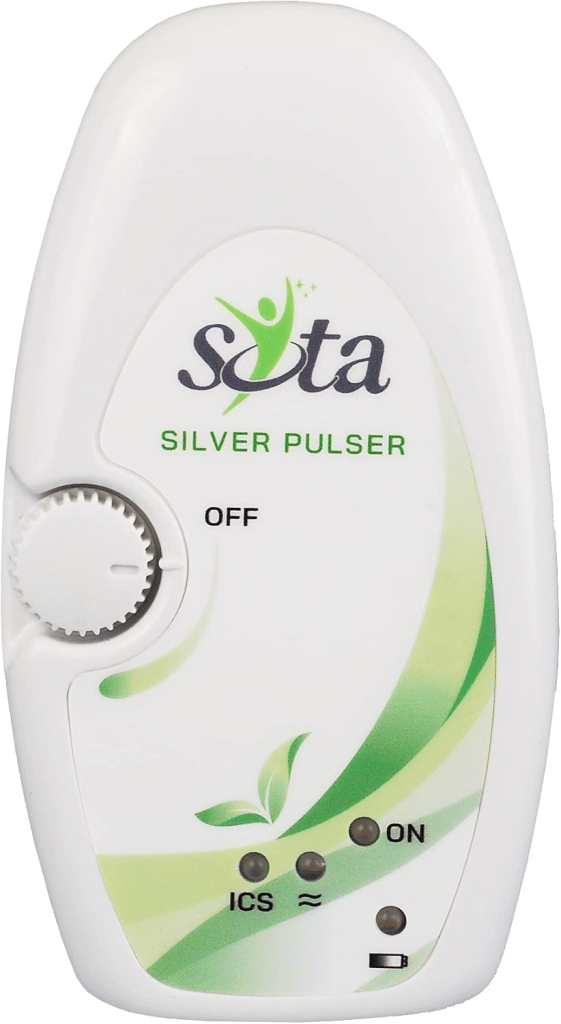
For anyone with active cancer, an intravascular device such as CiliaVine should be considered as soon as research or compassionate-use protocols become available. Histotripsy and TTFields should likewise be discussed with an oncologist as soon as they are indicated. None of these modalities replaces conventional oncology; they add precise, energy-based layers that can identify, disrupt, or liquefy malignant cells. Until CiliaVine protocols open widely in the United States, the most immediate home option remains the SOTA Silver Pulser. SOTA Instruments (https://www.sota.com/) ships directly to the U.S. The SP8 or SP7 delivers the 3.9-hertz biphasic microcurrent Beck specified and includes the ionic-colloidal-silver function. For those who cannot wait or whose needs are preventive rather than active disease, daily wrist pulsing with a SOTA unit is the practical starting point.
Finding a physician or practitioner willing to discuss these approaches requires looking outside most conventional oncology offices. Start with the practitioner directories of the American College for Advancement in Medicine (https://www.acam.org/) and the International Society for Orthomolecular Medicine. Search terms that often surface relevant clinicians include “bioelectric medicine,” “electrotherapy,” “Beck protocol,” “microcurrent,” “SCENAR,” “Tennant Biomodulator,” “histotripsy,” or “Tumor Treating Fields.” Many naturopathic and functional-medicine doctors already use ozone, pulsed electromagnetic fields, or intravenous nutrients and are therefore familiar with the underlying electrical principles.

Academic centers that have installed Edison histotripsy systems or that participate in Novocure trials can be located through HistoSonics and Novocure physician-finder tools. When you contact a clinic, ask specifically whether they have experience with blood electrification, Clark-style zapping, voltage-restoration protocols, histotripsy, or TTFields, and whether they are willing to coordinate with your existing oncologist so that interactions can be monitored. Always bring copies of the 1990 Einstein paper, the 2026 Science Advances CiliaVine study, the PANOVA-3 results, and Tennant’s voltage measurements so the conversation can stay grounded in published data rather than anecdote. Watch ClinicalTrials.gov for new circulating-tumor-cell capture, histotripsy, and TTFields protocols.
I have written at length about these themes at ReadMultiplex. In “A Lost VHS Tape And The Last Surviving Commentary On A Man And His 1931 Device” (https://readmultiplex.com/2025/12/17/a-lost-vhs-tape-and-the-last-surviving-commentary-on-a-man-and-his-1931-device/) I examine the recovered 1950s commentary on Rife’s resonance work and the forces that buried it. In “Major Advancement In Electronic Medicine” (https://readmultiplex.com/2021/02/01/major-advancement-in-electronic-medicine/) I outlined how electromagnetics, AI, and medicine are converging into a new therapeutic category. The July 2026 piece “Flashing LEDs: The Secret Soviet Science, A 1990s Gadget, and MIT Alzheimer’s Breakthrough” (https://readmultiplex.com/2026/07/16/flashing-leds-the-secret-soviet-science-a-1990s-gadget-and-mit-alzheimers-breakthrough-that-are-reshaping-how-we-think-about-brain-states/) traces photic and electrical entrainment from Soviet electrosleep research to modern gamma-stimulation trials.

Electronic medicine is not a future fantasy. It is the logical continuation of what Rife glimpsed, what Kaali and Lyman measured in 1990, what Beck made affordable, what Clark simplified into a handheld zapper, what Tennant measured in millivolts, what Novocure proved in phase-3 pancreatic-cancer survival data, what histotripsy now liquefies without a scalpel, and what CiliaVine has placed inside the vessel. The body is an electrical and acoustic system first. Chemistry is downstream. When we treat the bloodstream and the tumor as living circuits rather than chemical soup, we stop waiting for disease to announce itself with a lump or a scan.
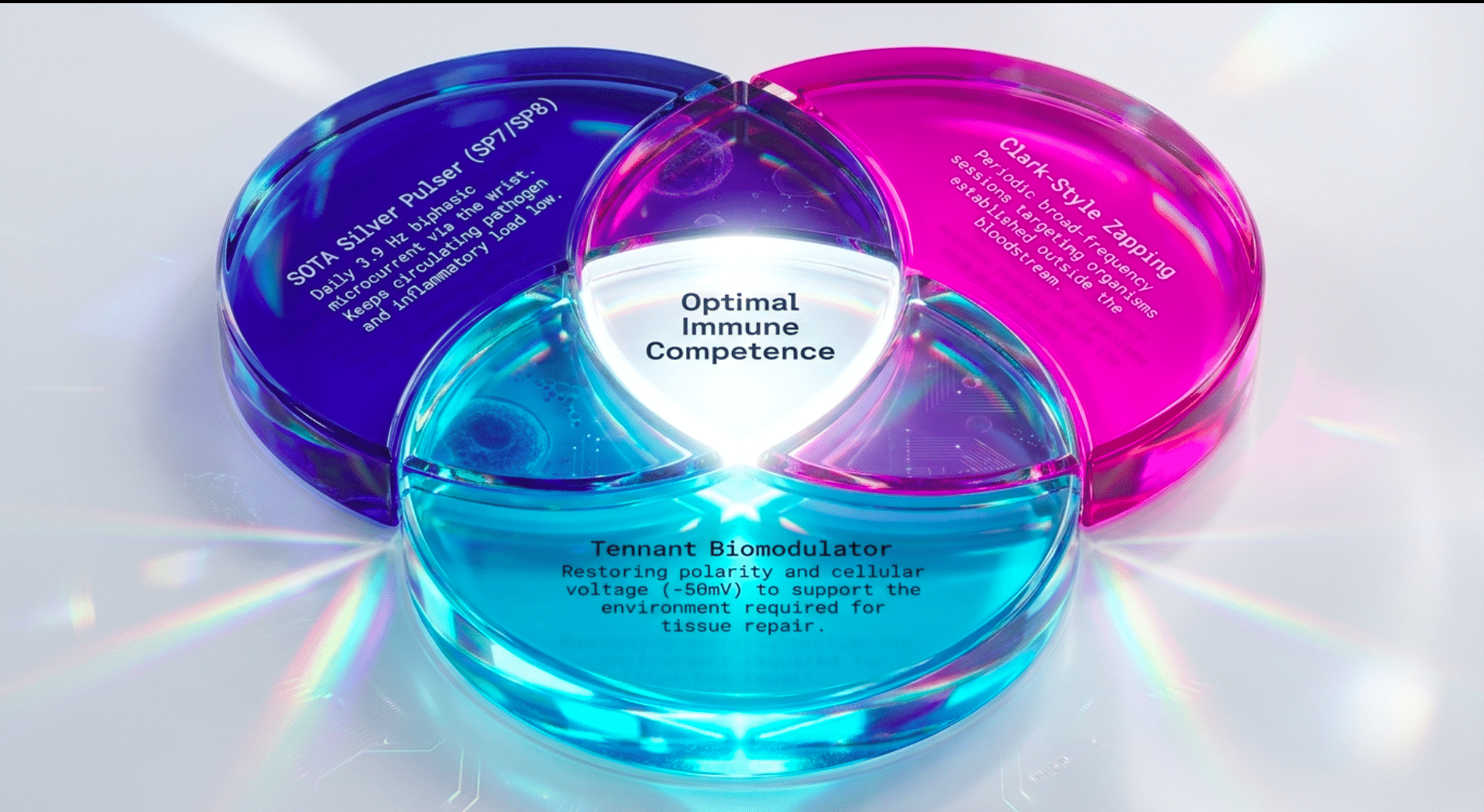
For people who have never received a cancer diagnosis yet carry family history, persistent viral load, or occupational exposures, the combination is straightforward. Daily sessions with a SOTA Silver Pulser keep circulating pathogen and inflammatory load low. Periodic Clark-style zapping can address organisms that may reside outside the bloodstream. Tennant-style voltage restoration supports the cellular environment in which repair can occur.
When an intravascular probe such as CiliaVine becomes accessible, a brief catheter insertion lasting only minutes can confirm that no circulating tumor cells have begun to accumulate. The insertion sensation is comparable to a routine blood draw.
Regular, modest sessions of blood electrification can lower the circulating load of viruses, bacteria, and parasites that some researchers associate with chronic inflammation and eventual cellular dysregulation. By keeping these organisms from establishing a foothold, the protocol may reduce one of the background stressors that can, over decades, contribute to malignant transformation.
I use: Silver Pulser by SOTA Instruments: https://amzn.to/4hpAUYf
The same microcurrent appears to support immune surveillance. Natural-killer cells and other effectors function more efficiently when the bloodstream is not constantly occupied with neutralizing opportunistic microbes. For individuals with genetic susceptibilities or a history of recurrent infections, this quiet assistance can be meaningful.
Because the current is applied externally and remains well below levels that cause electrolysis or tissue damage, it can be used preventively without the side-effect profile of many pharmaceutical interventions. Sessions of one to two hours, several times per week, fit easily into a wellness routine.
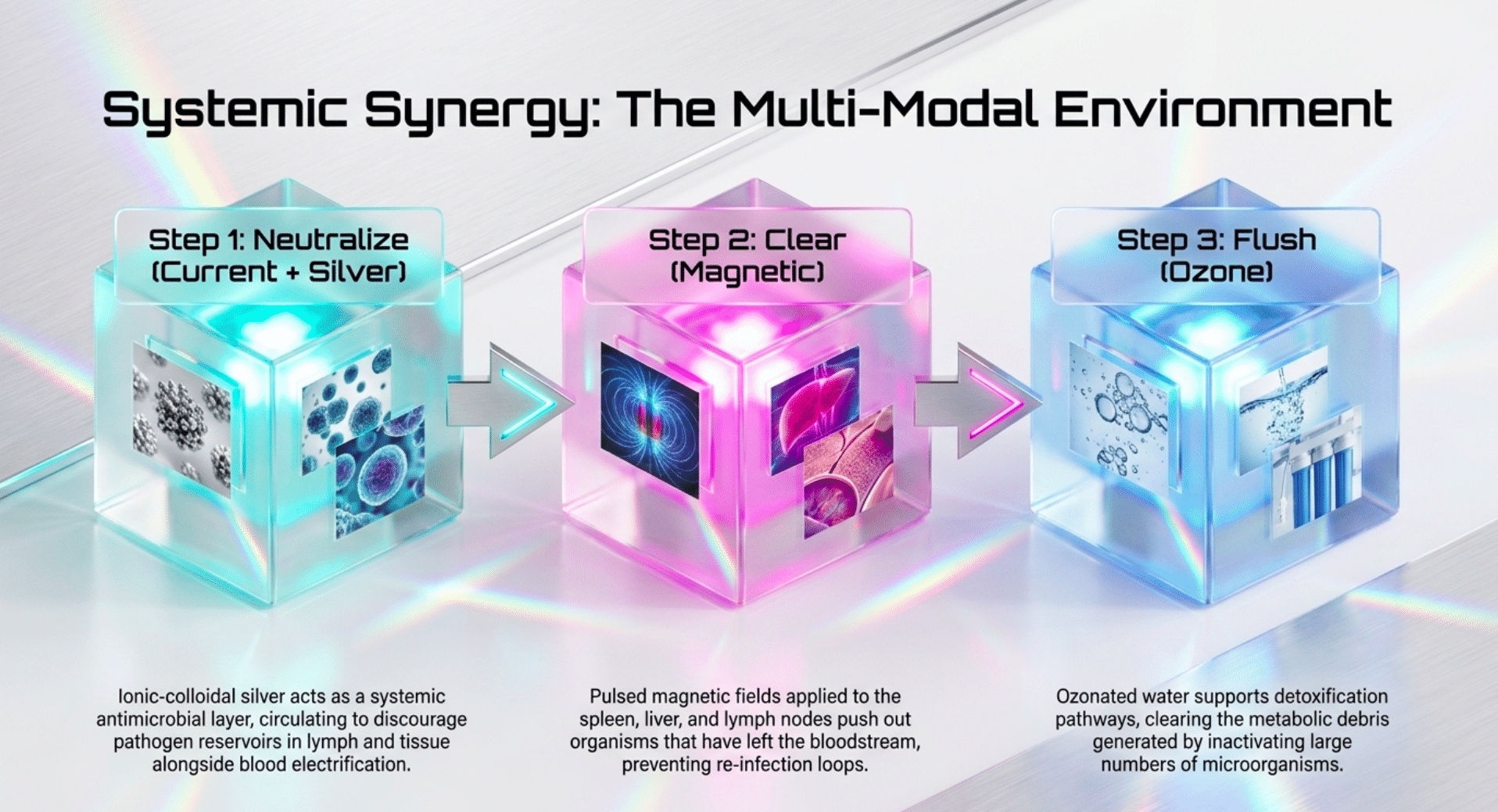
Colloidal silver generated as part of the protocol provides an additional, complementary antimicrobial layer that circulates systemically and may further discourage pathogen reservoirs in lymph and tissue.
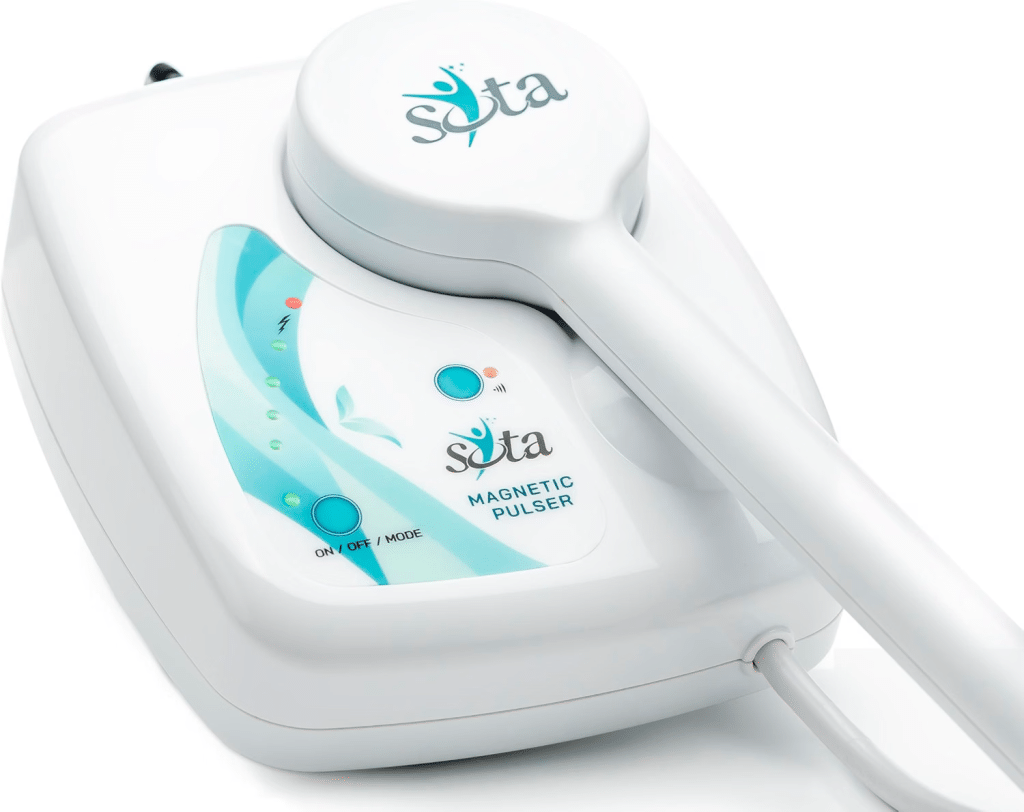
Pulsed magnetic fields applied to the spleen, liver, and lymph nodes help address organisms that have already left the bloodstream, closing a potential cycle of re-infection that would otherwise undermine preventive efforts.
I use: Magnetic Pulser by SOTA Instruments: https://amzn.to/4AtcF43
Ozonated water supports detoxification pathways, helping the body clear the metabolic debris that can accumulate when large numbers of microorganisms are inactivated at once.
Taken together, these elements create a low-intensity, multi-modal environment that favors immune competence over chronic immune activation—an environment particularly valuable for those whose family histories or lifestyle factors place them at elevated risk.
Be Early
Early detection of circulating tumor cells or inflammatory markers can be paired with the protocol so that any rise is met promptly rather than allowed to progress unnoticed.
The technology’s affordability and simplicity mean that preventive use need not wait for a clinical diagnosis; it can become part of ordinary self-care for anyone who wishes to keep their internal terrain inhospitable to opportunistic change.
Long-term observational feedback from users who began the protocol while still healthy suggests fewer respiratory infections, more stable energy levels, and a subjective sense of resilience—outcomes consistent with a bloodstream that spends less time fighting low-level invaders.
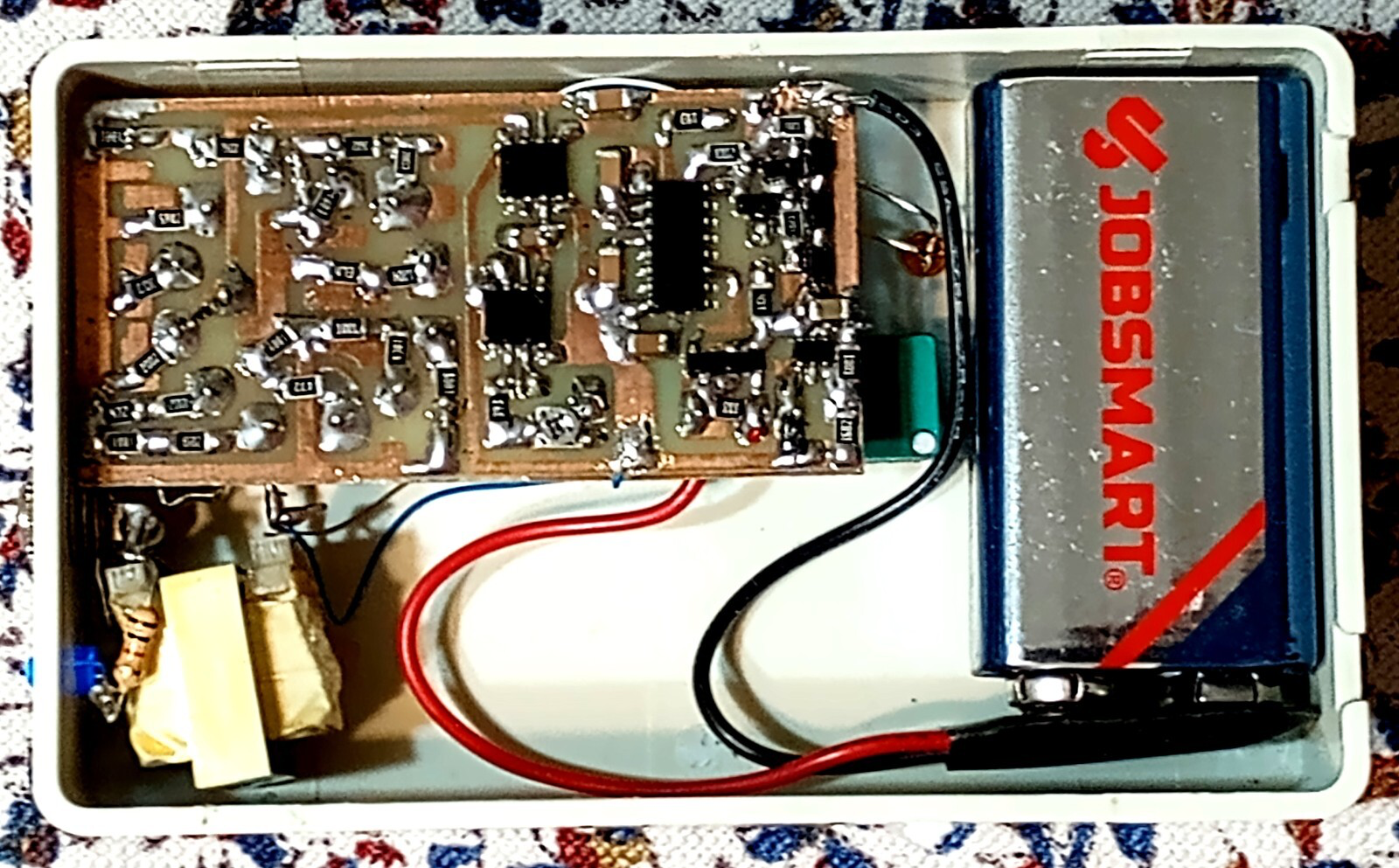
I still have that first 1990s garage unit. The solder joints are ugly. The case is a plastic project box from Radio Shack. It still works. Every time I pick it up I remember that the plans arrived because one physicist decided the technology belonged to anyone willing to build it.
Fishbein spent decades in court and in print trying to make sure no one would.
He lost control of the very organization he had used as a weapon, and the current kept flowing anyway. The vein is now listening. Ultrasound is liquefying tumors without a cut. Electric fields are disrupting mitosis on the skin. And the next generation of devices will be smaller, smarter, and even harder to suppress.
Electronic medicine does not ask permission from institutions that once tried to bury it. It simply continues to work, quietly, inside the bloodstream and at the tumor margin of anyone ready to use it. The research is published. The devices exist. The only remaining step is for more physicians to look at the data and for more patients to demand access. The future is already circulating. It is time we started listening to it.
I will be writing more about this in the future, until than, stay plugged in.
Support This Work, You Will See It No Place Else
To continue this vital work documenting, analyzing, and sharing these hard-won lessons before we launch humanity’s greatest leap: I need your support. Independent research like this relies entirely on readers who believe in preparing wisely for our multi-planetary future. If this has ignited your imagination about what is possible, please consider donating at buy me a Coffee or becoming a member. Value for value you recieved here.
Every contribution helps sustain deeper fieldwork, upcoming articles, and the broader mission of translating my work to practical applications. Ain ‘t no large AI company supporting me, but you are, even if you just read this far. For this, I thank you.
Stay aware and stay curious,

🔐 Start: Exclusive Member-Only Content.
Membership status:
🔐 End: Exclusive Member-Only Content.
~—~

~—~

~—~
Subscribe ($99) or donate by Bitcoin.
Copy address: bc1qkufy0r5nttm6urw9vnm08sxval0h0r3xlf4v4x
Send your receipt to [email protected] to confirm subscription.

Stay updated: Get an email when we post new articles:

THE ENTIRETY OF THIS SITE IS UNDER COPYRIGHT. IMPORTANT: Any reproduction, copying, or redistribution, in whole or in part, is prohibited without written permission from the publisher. Information contained herein is obtained from sources believed to be reliable, but its accuracy cannot be guaranteed. We are not financial advisors, nor do we give personalized financial advice. The opinions expressed herein are those of the publisher and are subject to change without notice. It may become outdated, and there is no obligation to update any such information. Recommendations should be made only after consulting with your advisor and only after reviewing the prospectus or financial statements of any company in question. You shouldn’t make any decision based solely on what you read here. Postings here are intended for informational purposes only. The information provided here is not intended to be a substitute for professional medical advice, diagnosis, or treatment. Always seek the advice of your physician or other qualified healthcare provider with any questions you may have regarding a medical condition. Information here does not endorse any specific tests, products, procedures, opinions, or other information that may be mentioned on this site. Reliance on any information provided, employees, others appearing on this site at the invitation of this site, or other visitors to this site is solely at your own risk.
Copyright Notice:
All content on this website, including text, images, graphics, and other media, is the property of Read Multiplex or its respective owners and is protected by international copyright laws. We make every effort to ensure that all content used on this website is either original or used with proper permission and attribution when available.
However, if you believe that any content on this website infringes upon your copyright, please contact us immediately using our 'Reach Out' link in the menu. We will promptly remove any infringing material upon verification of your claim. Please note that we are not responsible for any copyright infringement that may occur as a result of user-generated content or third-party links on this website. Thank you for respecting our intellectual property rights.
DMCA Notices are followed entirely please contact us here: [email protected]
