
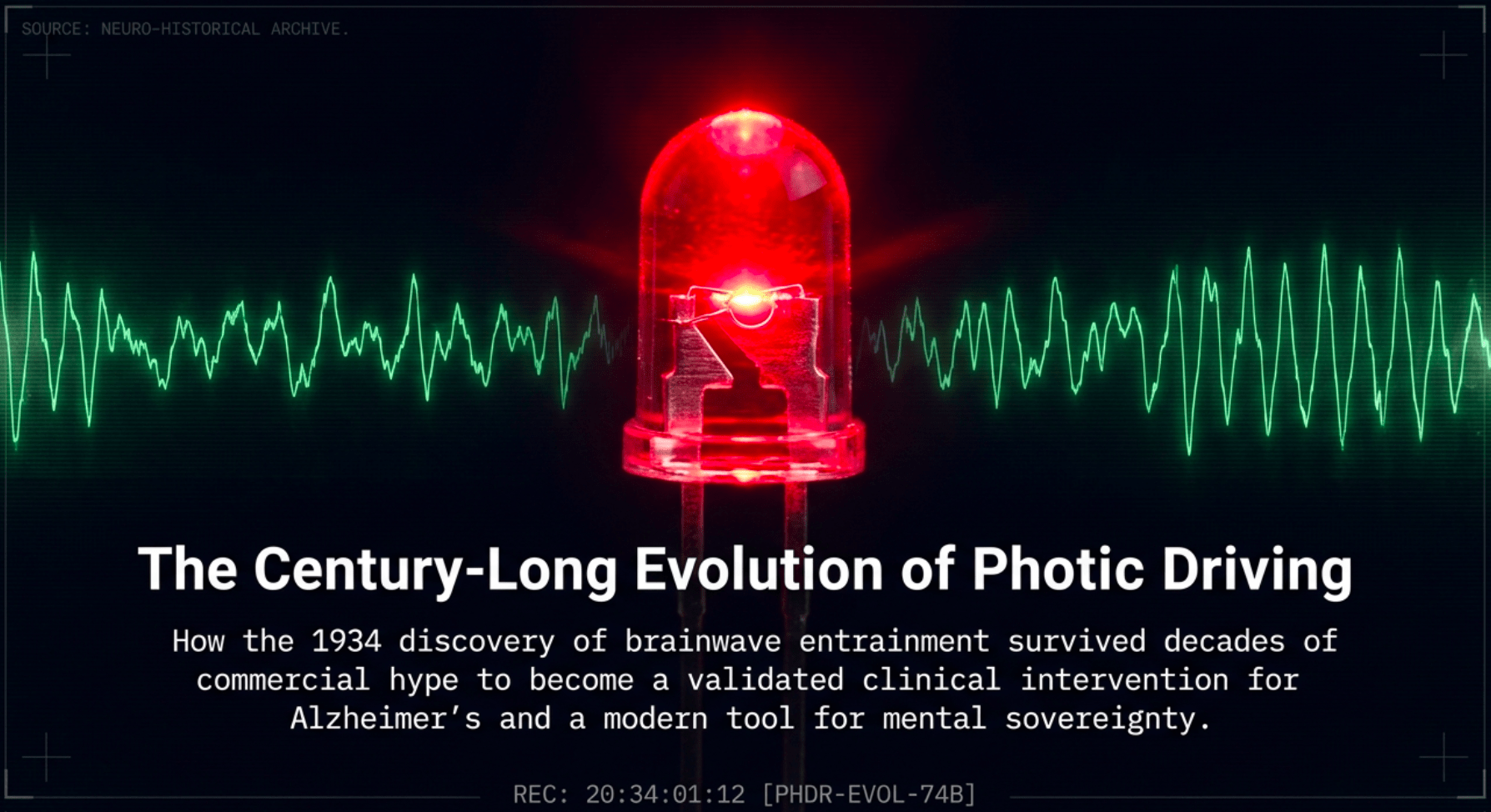
Flashing LEDs: The Secret Soviet Science, A 1990s Gadget, and MIT Alzheimer’s Breakthrough That Are Reshaping How We Think About Brain States.
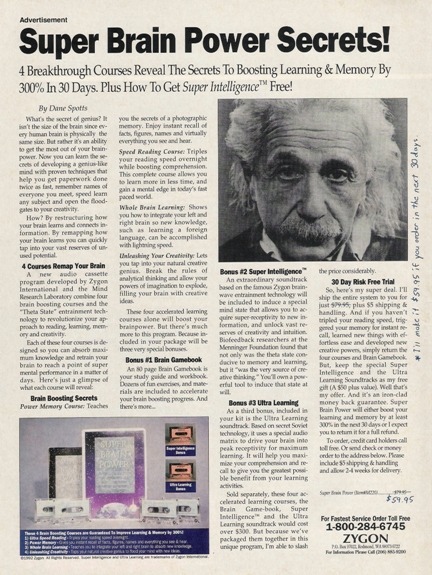
I want to set the scene for you. It’s 1995. You’re flipping through the back pages of Popular Science magazine. you’re flipping past, like, the glossy features on flying cars and underwater cities, and you hit that bizarre, bizarre in the back, the black and white mail order ad blocks. Tiny, cramped text just packed with the most impossible promises. It was a very specific era of media. You’d have advertisements for x-ray spectacles sitting literally right next to schematics for building a homemade hovercraft out of a vacuum cleaner motor. And right in the middle of all that chaotic noise, there was this ad for a device that looked, I mean, it looked like a prop from a bad low-budget cyberpunk movie. Bulky, plastic glasses, flashing lights, the whole aesthetic. I was intrigued.
The ad copy claimed that if you strap these things on and put on headphones playing these layered pulsing electronic sounds, you could manually synchronize your brainwaves. And the promises were just astronomical. We’re talking accelerated learning, instantaneous deep meditation, profound personal transformation. Unlocking hidden creativity, which, you know, if you have a critical mind at all, your scam radar just starts screaming. It triggers immediate skepticism, the aesthetic, the placement in the back of a magazine next to the sea monkeys, the grandiose promises. I mean, it has all the hallmarks of a classic exploitative mail order scam. Targeting people who are just like desperate for a quick fix. A shortcut to fix their cognitive limitations. I was more than skeptical I was sure it had to be a scam. But I am trained as an empirical scientist (no degrees just a lifetime of research) and I take no claim for or against on face value. This gives one freedom to neither “believe” or “debunk”, no matter how outlandish a claim may be. Heck, Albert Einstein endorsed it?
This article is sponsored by Read Multiplex Members who subscribe here to support my work: Link: https://readmultiplex.com/join-us-become-a-member/
It is also sponsored by many who have donated a “Cup of Coffee”. If you like this, Listen to the companion podcast: https://rss.com/podcasts/readmultiplex-com-podcast/2952899
Listen to the companion podcast: https://rss.com/podcasts/readmultiplex-com-podcast/2995287
When I saw the ad in the back pages of Popular Science I was ready to put my money on the line. It was not a splashy cover story but one of those dense mail order blocks where tinkerers and seekers found the next piece of forbidden knowledge. It was Albert Einstein’ telling me I can think like him for Pete’s sake! This device promised to sync your brainwaves with pulsing red light and layered audio so you could drop into states optimized for learning, creativity, or deeper transformation. I was willing to test it. It turns out those bizarre, scammy-looking flashing glasses actually stumbled onto something profoundly real. A biologically real neurological phenomenon called brainwave entrainment, which is fascinating because the mechanism driving those old gadgets has actually survived. This fantastical ad in the 1990s has a line strait to 2026 and an MIT study that may cure Alzheimer’s disease (not my words, the words of MIT).
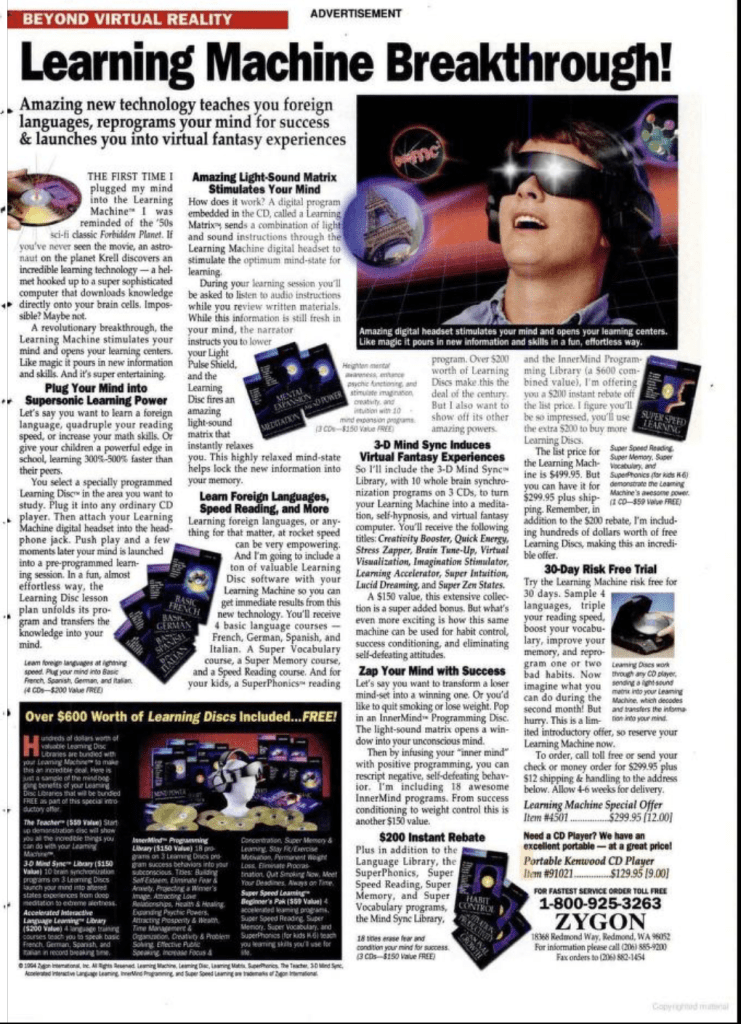
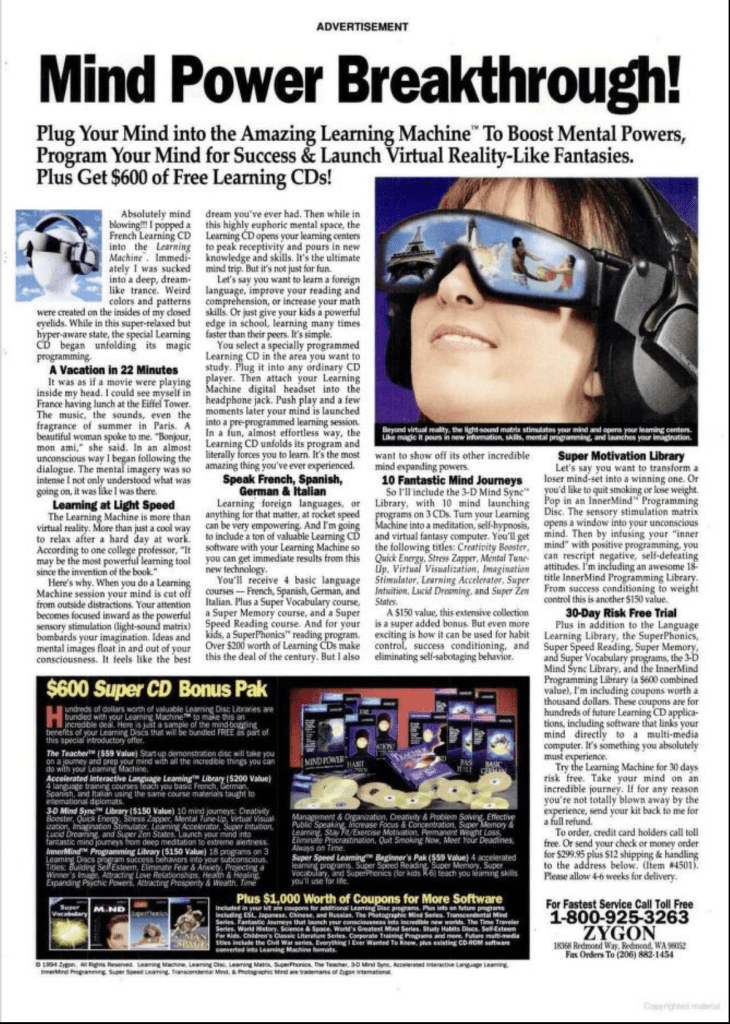
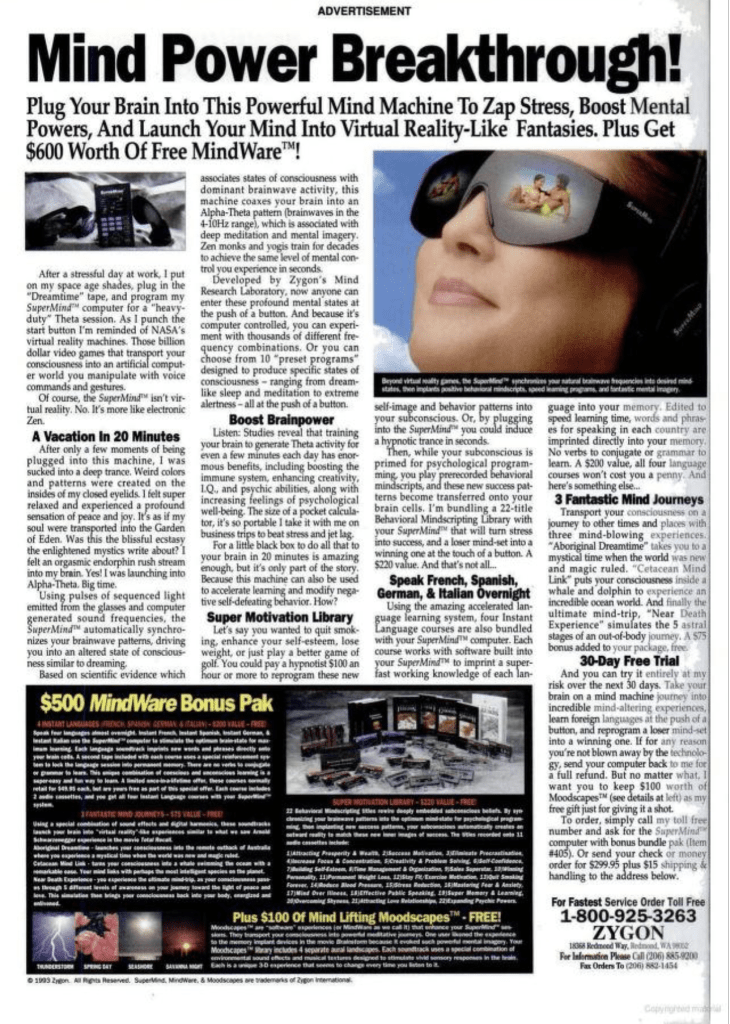
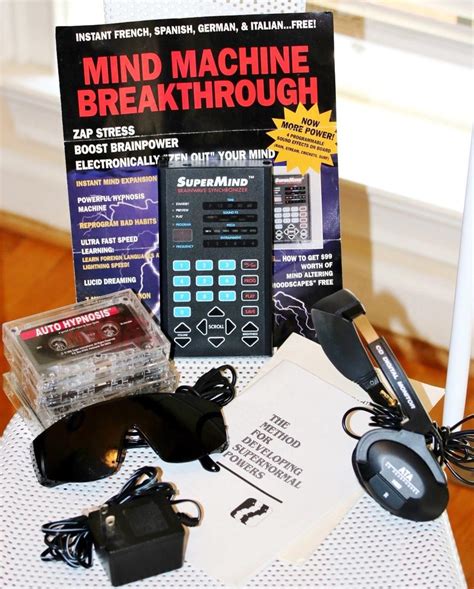
I ordered the Zygon SuperMind Brainwave Synchronizer immediately. Later the same company released an evolved version called The Learning Machine with updated hardware and CD programs. These two systems became long term tools in my personal experiments with accelerated learning and mental optimization. I was dubious, but this soon changed as I got to understand the science and my empirical research.
The Zygon SuperMind Brainwave Synchronizer
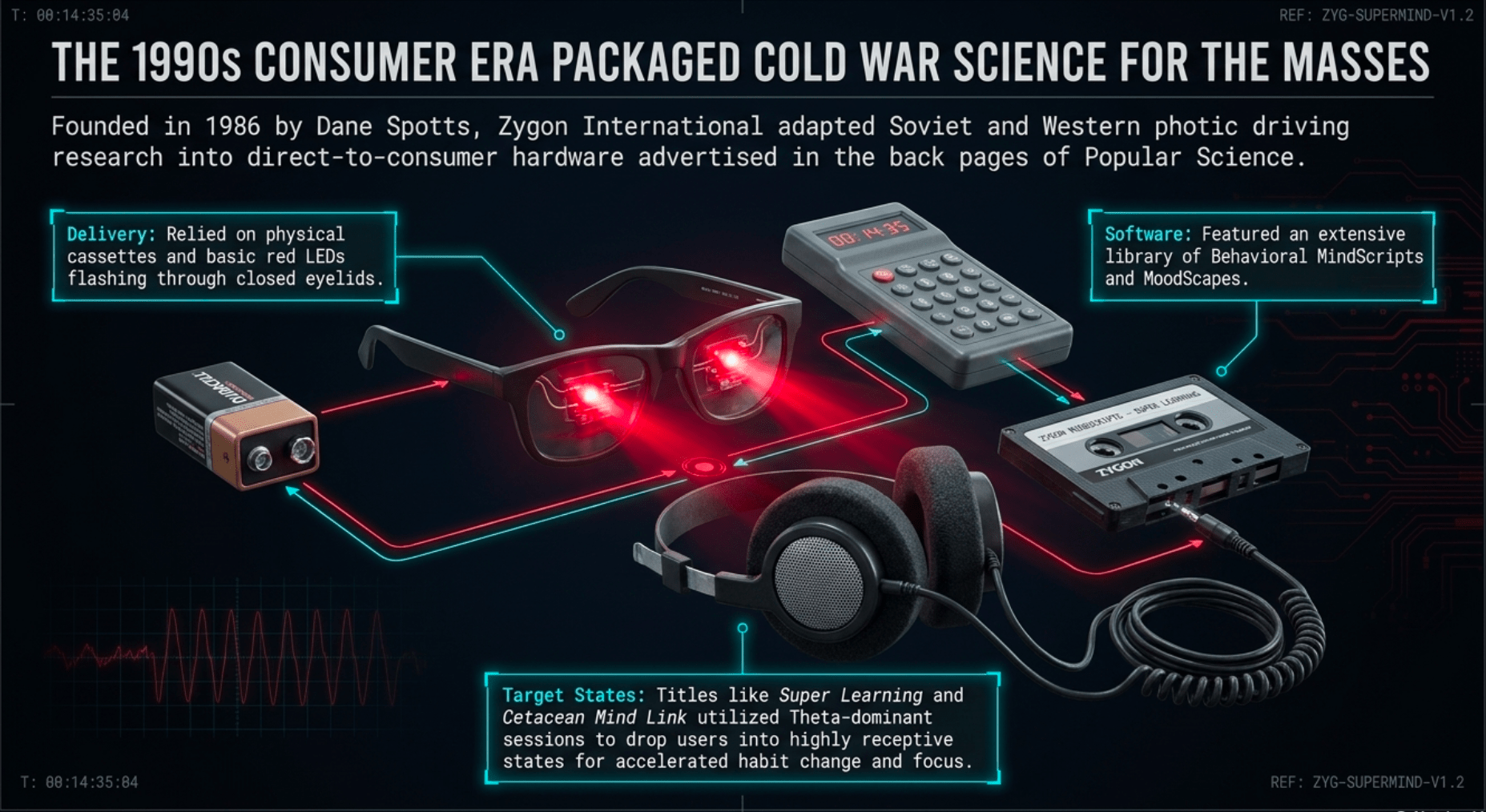
The Zygon SuperMind Brainwave Synchronizer hardware was straightforward yet effective. The control unit let you select programs, adjust frequency and pitch, and control session length. The glasses contained bright red LEDs positioned to flash through closed eyelids at precise rates corresponding to desired brainwave bands. Headphones delivered complementary audio that often included binaural or isochronic elements plus scripting.
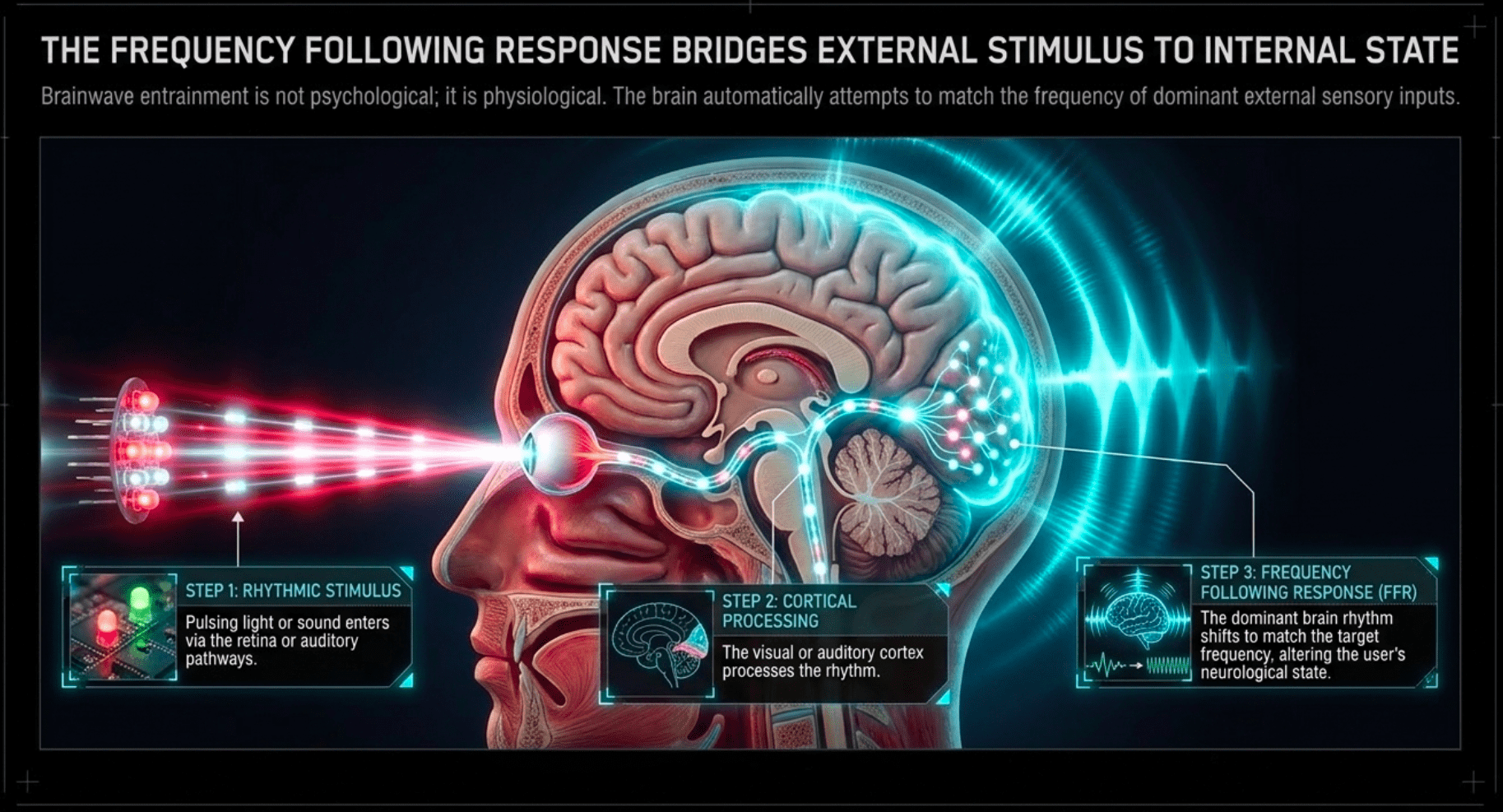
You sat or lay back for sessions ranging from seven minutes for quick focus boosts to an hour for deep journeys. The effect relied on the established principle of entrainment. External rhythms at target frequencies encourage the brain to follow through the frequency following response. Soviet researchers had studied photic driving in detail through EEG work. Western labs confirmed similar responses. The result was reliable shifts into alpha for calm alertness or theta for heightened suggestibility, creativity, and memory encoding.

I used both systems for years specifically to accelerate learning. A typical protocol involved a theta dominant session followed immediately by focused study on complex technical material, systems design, or new knowledge domains. Entry into sustained concentration happened faster. Mental chatter decreased. Retention and comprehension during and after sessions improved noticeably. It was not overnight genius or psychic awakening. It was a practical on ramp to neurological states where deep work became more efficient. The device earned its place in my regular rotation because the subjective and functional results held up over repeated use.
I looked up the patents at I first tried this device in 1993 and it changed the way I learned permanently. I was so taken back by it, no matter what the skeptics said, I went to Firestone Library at Princeton University and found the patent. From there till now I have built devices like this in my garage. The patents to me were a how-to guide. I still refer to them to this day.
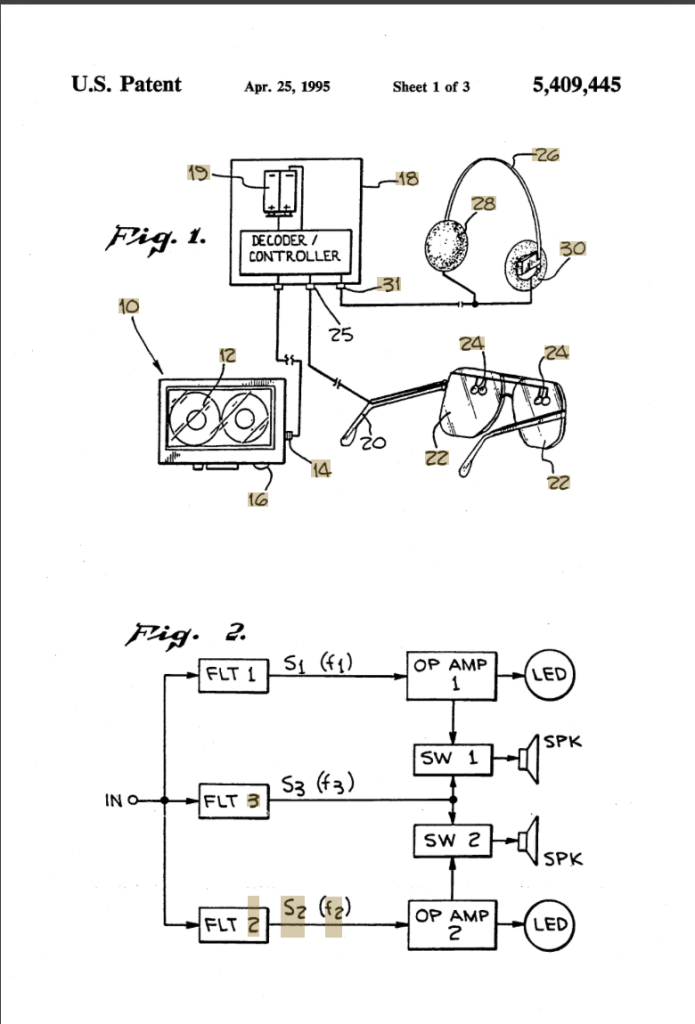
Primary Patent US5306228A — Brain wave synchronizer
• Inventor: Tye Rubins (Los Angeles, CA; individual assignee)
• Filing date: May 5, 1992
• Issue date: April 26, 1994
• Abstract/Summary: A device and method for inducing desired brainwave frequencies using periodic visual and audio signals. It includes a playback device (e.g., tape player), stereo earphones, and lights (typically LEDs) mounted on glasses in front of each eye. Pre-recorded composite control signals on a single audio track are decoded by filters to drive flashing lights at synchronization frequencies and switch audio tones between ears. The system uses conventional equipment for low-cost implementation and allows programmable routines via recording. It targets brainwave ranges for relaxation, meditation, learning, etc.
• Key features in claims: Filters decompose signals for light intensity (via sinusoid count) and audio switching; pulsed waveforms at brainwave frequencies (e.g., threshold flicker ~40 Hz); compatible with magnetic tape or similar media.
• Connection to Zygon: The patent description precisely matches the SuperMind hardware (light-pulse glasses + audio synchronization). Patent documents cite Zygon SuperMind advertisements in the “Other Publications” or references sections, linking it directly to the commercial product.
Google Patents link: https://patents.google.com/patent/US5306228A/en (includes full text, drawings, and references).
Related/Continuation Patents in the Family
• US5409445A — Brain wave synchronizer (Continuation-in-Part)
Similar title and description by the same inventor. Filed later (around 1993) with overlapping claims on the hardware and method.
Google Patents link: https://patents.google.com/patent/US5409445A/en
• US6071229A — Video or compact disk encoder/decoder for brain wave synchronizer (Continuation-in-Part)
Extends the concept to video/CD formats for encoding/decoding control signals for brainwave synchronization.
Filed around 1994; builds on the earlier filings for broader media compatibility (relevant to the CD-based Learning Machine era).
These form a patent family focused on the entrainment hardware and signal processing.
Additional Context
• Earlier similar devices: Older brainwave synchronizers existed (e.g., Schneider Brain Wave Synchronizer from the late 1950s, using different tech like stroboscopic lights). These predate Zygon but show the broader field. No direct Zygon patents appear under Dane Spotts’ name in readily available searches for the SuperMind itself (one source notes Spotts filing for an earlier “Brain Supercharger” around 1989, but it may not have been granted or publicly detailed in the same way).
• Commercial tie-in: The Rubins patents describe the exact system Zygon commercialized in the SuperMind (glasses + synchronizer + pre-recorded programs). Zygon’s products used this entrainment approach with their extensive Behavioral MindScripts/MoodScapes library.
Scientific Research
The foundation for these Zygon effects rests on a substantial body of published research spanning nearly a century. In 1934, British scientists Edgar Adrian and Bryan Matthews first documented how flickering light could entrain or drive the electrical activity of the human brain, producing rhythmic responses visible on early EEG equipment.
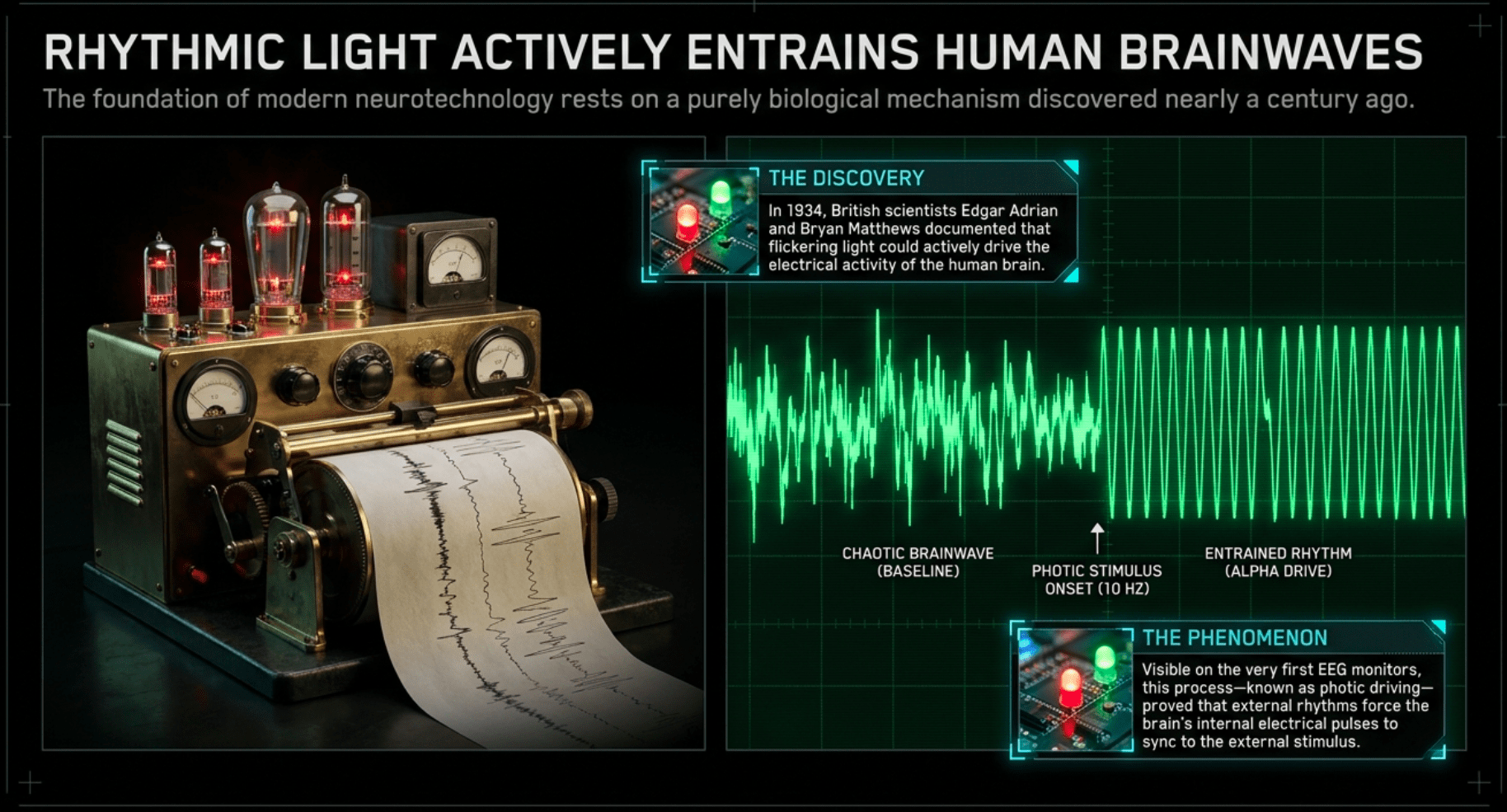
This phenomenon, known as photic driving, became a standard tool in neurological diagnostics. Soviet researchers took the work further in the post-war decades. Extensive studies from institutes across the USSR explored rhythmic photic and auditory stimulation for therapeutic applications in neurology, psychiatry, and performance optimization.
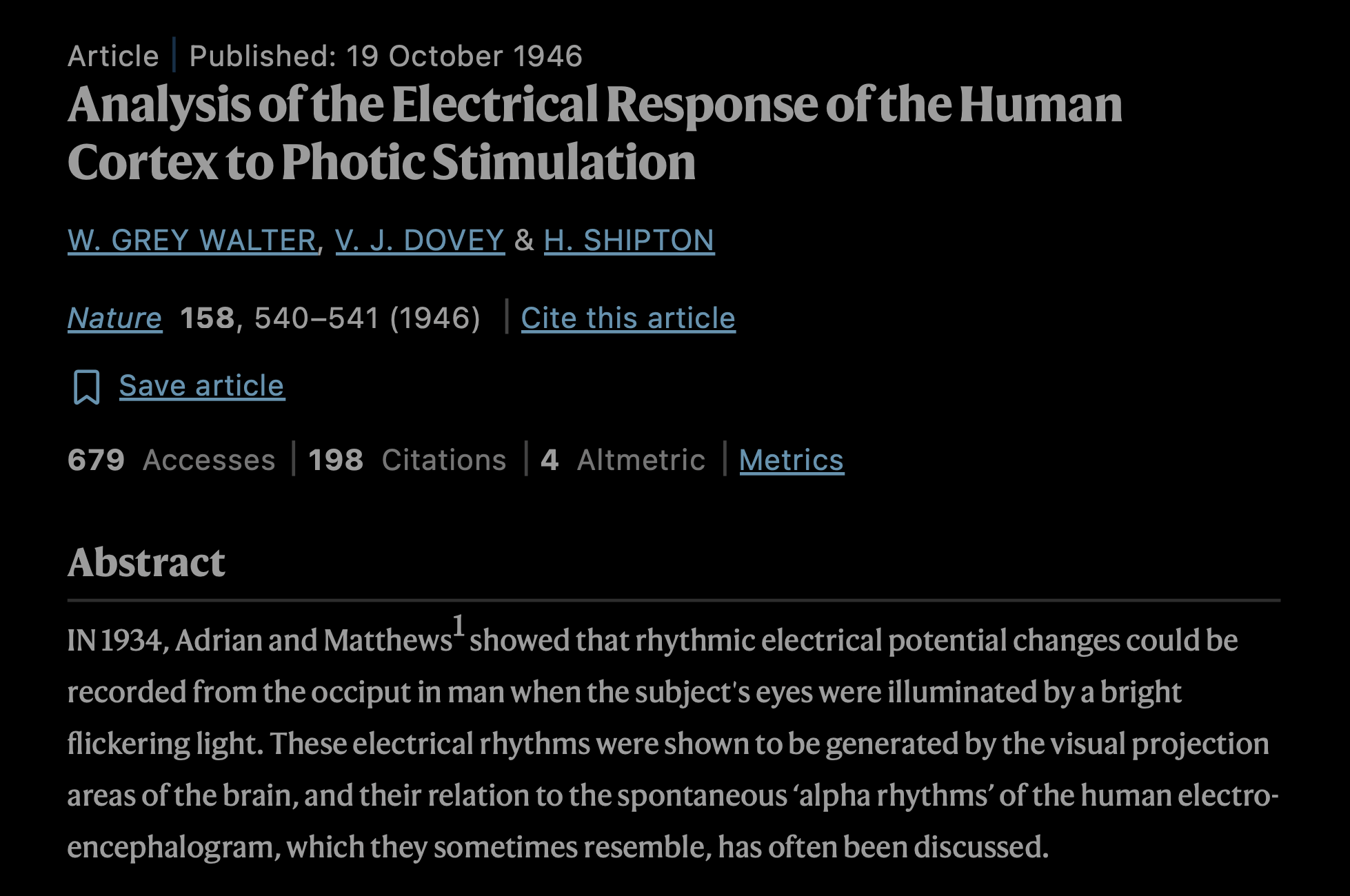
Papers documented changes in brain wave patterns, improvements in sleep architecture, and reductions in anxiety symptoms through controlled light and sound protocols. These efforts paralleled broader Eastern European interest in accelerated learning techniques that emphasized relaxed yet receptive mental states.
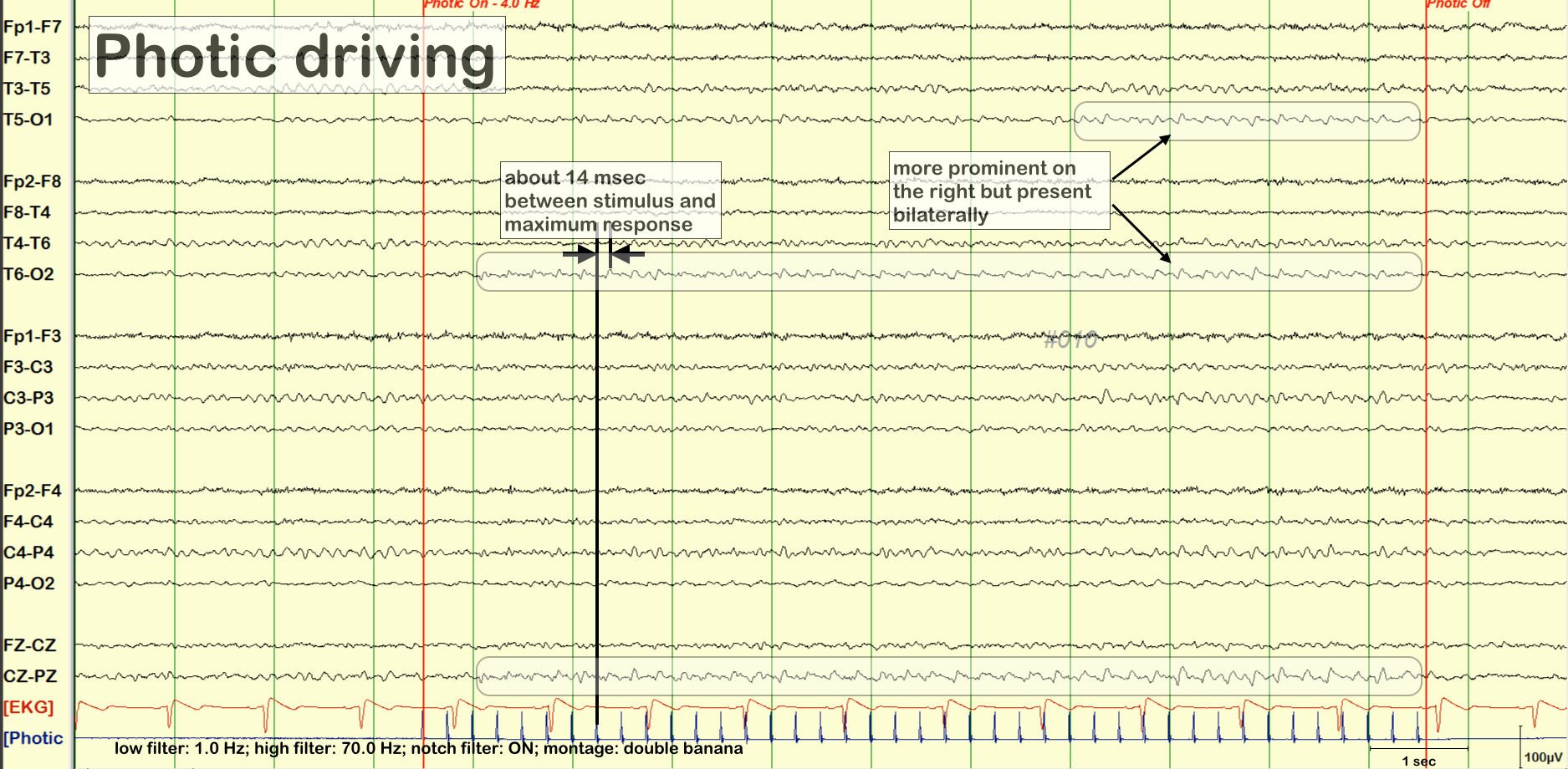
Soviet Research on Brainwave Entrainment and Related Technologies
Soviet Union (USSR) research from the mid-20th century provided substantial clinical and neurophysiological groundwork for techniques involving rhythmic sensory stimulation to influence brain states work that parallels and scientifically contextualizes the audio-visual entrainment (AVE) methods used in devices like the Zygon SuperMind and Learning Machine. While Western consumer products like Zygon’s emphasized self-improvement through light pulses and audio scripting for alpha/theta/delta states, Soviet efforts focused more on therapeutic, diagnostic, and performance applications within a state-supported medical and psychophysiological framework. This research drew on shared foundations (e.g., photic driving first noted in the West in 1934 by Adrian and Matthews) but was extensively developed and applied in the USSR.
I was recently gifted a massive amount of Soviet Research for curating and digitalizing for AI training. This exclusive archive is found no place else and is not classified but was in the proivate collection of a researcher in Russia that saved it in a warehouse, his great grand children discovered it and they have offered it to me.
In this trove, only 2% has been studied by me, I already found significant Photic Driving research. I will be presenting some of the concept here and write a future article just on this work.
Core Areas of Soviet Research
1. Photic Driving and Rhythmic Light Stimulation
Soviet EEG laboratories extensively studied “photic driving”—the synchronization of brain electrical rhythms (visible on EEG) to the frequency of flickering light. This was used both diagnostically (to probe nervous system reactivity) and therapeutically. Researchers explored how intermittent photic stimulation (IPS) at specific frequencies (typically 1–30+ Hz) could entrain brainwaves, induce relaxation, modulate autonomic nervous system activity, and support treatment of neuroses, insomnia, anxiety, and other conditions.
Soviet psychophysiologists viewed photic driving responses as an index of nervous system properties (e.g., strength-weakness or excitation-inhibition balance). Work included clinical applications for altering mood, promoting sleep-like states, and potentially enhancing cognitive or performance states. Declassified U.S. intelligence assessments (e.g., Defense Intelligence Agency reports from the early 1970s on “Controlled Offensive Behavior – USSR”) noted Soviet interest in photic-flicker and light/color as tools for influencing human behavior, highlighting the well-established EEG effects despite variability across individuals.
Mechanisms and Findings: External light flashes drive thalamo-cortical loops, leading to EEG synchronization at the stimulus frequency (frequency following response). Effects could include shifts toward calmer rhythms (alpha/theta), changes in cerebral blood flow or neurotransmitter activity, and autonomic relaxation. Not every subject showed strong driving responses, and factors like individual nervous system typology influenced outcomes. Therapeutic benefits were reported for anxiety reduction, sleep improvement, and emotional regulation. Edge cases included photosensitive individuals (risk of seizures) and the need for controlled clinical protocols.
2. Electrosleep (Electro-Sleep Therapy)
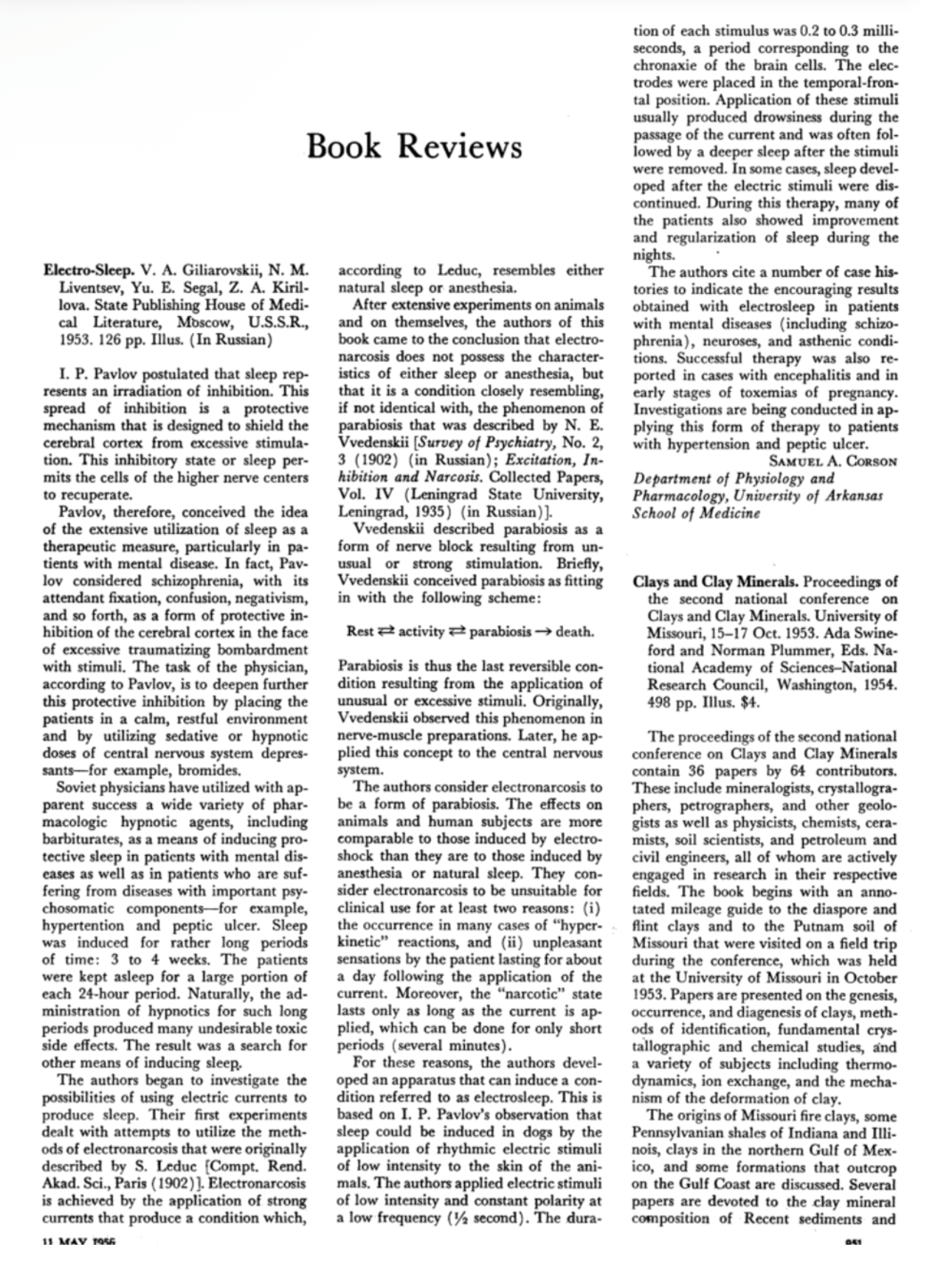
A major Soviet contribution was the development of electrosleep devices in the 1940s–1950s by V.A. Gilyarovsky and colleagues. These delivered low-intensity pulsed electrical currents (via electrodes on the head) to induce sleep or deeply relaxed states without traditional pharmacology.
Clinical use was widespread in Soviet psychiatry and neurology for insomnia, neuroses, pain management, rehabilitation, and certain psychiatric conditions. It represented a form of cranial electrical stimulation aimed at state control, complementing sensory methods like photic driving. Gilyarovsky’s work (including publications in the 1950s) documented physiological effects and therapeutic protocols. Western interest followed, with studies replicating or adapting the technique.
Mechanisms and Findings: Pulsed currents were thought to influence brain electrical activity and promote inhibitory processes leading to sleep or relaxation. Effects included autonomic shifts and subjective reports of calm or drowsiness. It was positioned as a non-invasive alternative or adjunct to drugs. Limitations included variable individual responses and the need for proper electrode placement and dosing.
3. Combined Rhythmic Audio-Visual and Sensory Stimulation
Soviet researchers investigated combined light and sound rhythms for inducing targeted brain states, aligning closely with modern AVE principles. Rhythmic auditory stimulation (e.g., pulsed tones or beats) was studied alongside photic methods for synergistic effects on EEG, relaxation, and performance. Applications touched on therapeutic state alteration and, in broader psychophysiological contexts, potential support for learning or cognitive tasks through state-dependent processing.
This work contributed to understandings of how multimodal rhythmic input could entrain brain rhythms more effectively than single modalities in some cases.
Implications
Soviet research operated within a clinical and state-supported framework, emphasizing measurable physiological outcomes (EEG, autonomic measures) over purely subjective claims. It overlapped with interests in biofeedback, state training for performance (e.g., athletes or specialized personnel), and non-pharmacological interventions. While some U.S. intelligence reports speculated on “offensive” or behavioral influence applications (including light/color and flicker), the core scientific output was therapeutic and diagnostic.
Findings were:
- Individual variability was acknowledged (not everyone responds equally to photic driving).
- Safety protocols were important (e.g., avoiding flicker frequencies that trigger photosensitivity).
- Much work was published in Russian-language journals; Western access came via translations, reviews, or declassified summaries.
- Direct technology transfer to consumer devices like Zygon’s is unlikely; instead, both drew from international neurophysiology. Soviet clinical validation helped legitimize entrainment concepts globally.
- Connections to accelerated learning: Soviet and Eastern Bloc work on relaxation states and rhythmic stimulation had parallels with techniques like suggestopedia (Bulgarian origins but regionally influential), emphasizing receptive brain states for information uptake.
Implications for Devices like the SuperMind/Learning Machine: The Soviet literature provided empirical support for using precisely timed light and sound to guide brain states—exactly the mechanism (frequency following via photic and auditory driving) at the heart of Zygon’s entrainment hardware and MindScripts. It reinforced the idea that external rhythmic stimuli could reliably shift users into alpha (relaxed alertness), theta (creativity/dream-like), or delta (deep rest) ranges for targeted outcomes like learning acceleration, habit change, or meditation-like experiences. Modern AVE systems, including the David Delight Plus successor, continue this lineage with refined digital control and evidence-based protocols.
The Soviet FOIA CIA Papers
Declassified Intelligence Reports: Search CIA FOIA Reading Room or Archive.org for “Controlled Offensive Behavior – USSR” (1972 DIA report, e.g., CIA-RDP96-00788R001300010001-7). It includes sections on Soviet photic-flicker research and light/color for behavior influence.
Electrosleep: Gilyarovsky et al. publications (e.g., 1953 book Electro-Sleep). Western reviews in journals like Science or anesthesia literature cite Soviet clinical work.
This body of work highlights that brain state modulation via rhythmic sensory input has deep, evidence-based roots beyond commercial marketing—roots that lent scientific credibility to consumer devices while Soviet applications remained more clinically oriented. Full papers may require academic access, but declassified documents and review articles offer accessible entry points for deeper exploration.
Western Research
Western science built on the same principles. Research into the frequency following response showed that both visual flicker and auditory beats could reliably shift dominant brain rhythms toward target frequencies. Studies published in journals focused on applied psychophysiology demonstrated that audiovisual stimulation sessions could increase time spent in theta and alpha bands, with associated subjective reports of relaxation and improved focus.
Some investigations examined effects on cognitive tasks, finding temporary enhancements in attention and memory consolidation when stimulation preceded learning activities. While results vary by protocol, individual differences, and study design, the core ability to guide brain state through external rhythms is consistently replicated. Modern work continues with interest in specific bands such as gamma for cognitive maintenance and sensory integration. The commercial mind machines of the 1990s operated squarely within this established research tradition even when their marketing sometimes outpaced the evidence for particular applications.
This body of work explains much of what I observed in personal use. The shift into theta states aligned with research linking that band to heightened internal focus and encoding efficiency. The combination of light and sound likely amplified the effect beyond either modality alone, as multimodal stimulation tends to produce stronger entrainment responses in the literature. Regulatory actions addressed specific health and learning outcome claims rather than invalidating the underlying entrainment science. The gap between published mechanisms and marketed results created the tension that led to legal outcomes, yet the research foundation remained intact and continues to inform both clinical and DIY applications today.
The real depth came from the program library. Both the SuperMind and Learning Machine offered extensive collections of Behavioral MindScripts and specialized journeys. The Learning and Cognitive Acceleration series included Super Learning titles that combined theta states with structured audio cues to speed absorption and retention. Mental Acuity scripts supported sharp focus during demanding cognitive tasks. Speed Learning and Language Acquisition programs layered entrainment with mnemonic techniques. Creative Problem Solving sessions targeted insight and idea flow.
Zygon is a self-empowerment app that uses neurotechnology and brainwave entrainment to help users reduce stress, improve focus, and reprogram limiting beliefs through programs like Ultra Meditation and Millionaire’s Mind.
Overview of Zygon
Zygon is a self-empowerment app designed to enhance mental well-being through the use of neurotechnology and brainwave entrainment. It aims to help users reduce stress, improve focus, and reprogram limiting beliefs.
Key Features
| Feature | Description |
|---|---|
| Transformational Programs | Offers over 1000 programs including Ultra Meditation, Millionaire’s Mind, and Brain Supercharger. |
| Zygon Mind Spa™ | Provides instant brain reset through targeted audio entrainment. |
| Science-Backed Tools | Utilizes neuroscience and mental conditioning for subconscious reprogramming. |
| Deep Mental Training | Sessions available for sleep, focus, manifestation, and mindset improvement. |
| Offline Access | Users can stream or download content for offline listening. |
Benefits of Using Zygon
- Stress Reduction: Helps calm the mind and alleviate anxiety.
- Enhanced Focus: Improves memory and mental clarity.
- Confidence Building: Aids in developing a success-oriented mindset.
- Emotional Reset: Assists in clearing limiting beliefs and emotional patterns.
- Purpose Reconnection: Encourages daily motivation and personal growth.
Zygon positioned itself as a comprehensive tool for mental mastery, making it a valuable resource for those seeking personal transformation and empowerment.
How the Audio Tracks Precisely Controlled the Light Pulses
The Zygon SuperMind and Learning Machine achieved their signature brainwave entrainment effect through a clever embedded control system in which the audio medium itself carried the instructions for the flashing lights. Rather than relying on separate timing circuits or manual settings, the devices decoded specific signals already present in the soundtrack. This approach allowed each program (Behavioral MindScript or MoodScape) to deliver its own custom entrainment sequence synchronized perfectly with the audio.
Cassette Era — SuperMind
On the analog cassette versions, the control information lived on the same audio track as the program content. Engineers superimposed additional low-level sinusoidal tones or pulsed waveforms onto the soundtrack at frequencies outside or carefully blended with the audible range. When the tape played through the SuperMind’s synchronizer unit, built-in filters separated these control signals from the main audio. One filtered signal drove the left-eye LED, another drove the right-eye LED. The density or amplitude of the sinusoids within each control signal determined both the exact flashing rate (corresponding to the target brainwave frequency — beta, alpha, theta, or delta) and the light intensity. A third control signal often handled subtle audio panning or pulsing between the stereo channels, creating a binaural or hemispheric effect that reinforced the visual entrainment. Because everything was pre-recorded on the tape, the light sequence was locked in perfect time with the MindScript narration, music, or sound effects.
CD Era — Learning Machine
The later Learning Machine used compact discs with a more sophisticated but conceptually similar encoding scheme. The digital audio stream on each disc contained embedded control tones or specific frequency components that the hardware decoder extracted in real time. The device’s internal circuitry filtered and processed these signals to generate precise pulse trains for the LEDs in the Omniscreen glasses. Because CDs offered greater bandwidth and lower noise than cassettes, the control signals could be cleaner and more complex, allowing finer gradations of intensity, smoother ramping between frequencies, and more intricate left/right eye patterns. Some discs also included “sound-sync” tracks where the control data modulated both light and audio elements simultaneously. The result was highly repeatable entrainment sequences tailored to each program’s goal — whether accelerating learning, guiding deep meditation, or simulating immersive journeys.
In both formats the core principle remained the same: the audio medium was not merely entertainment or guidance — it was also the carrier for the entrainment instructions. This elegant solution eliminated drift between audio and lights, made every session identical, and allowed Zygon to create hundreds of distinct programs without requiring users to adjust any dials. The approach was later refined in digital successors, but the original tape and CD implementations demonstrated an ingenious early solution to synchronized multi-sensory brainwave guidance.
Comprehensive List of Known Zygon SuperMind and Learning Machine Audio Programs, Tapes, and CDs
The Zygon product line (SuperMind on cassettes and the later Learning Machine on CDs) featured an extensive and ambitious library of Behavioral MindScripts, MoodScapes, learning programs, and specialized series. Exact counts varied by release year and package, but the catalog ultimately included dozens to over a hundred titles across physical media.
Not every planned program reached full production, and availability depended on when users purchased. Below is the most complete compilation drawn from historical catalogs, user reports, collector listings, FTC exhibits (SuperLife catalog references), and archived discussions. Descriptions reflect original marketing intent and typical session goals, which combined targeted entrainment frequencies with layered audio scripting, binaural elements, and guided or subliminal content.
Core Behavioral MindScripts and Habit/Performance Series (Cassette Era, Later CD)
These were the flagship “InnerMind Programming” or Behavioral MindScripts designed for theta-state subconscious rescripting.
- Permanent Weight Loss — Theta-based scripting to rewire eating habits, body image, motivation, and long-term lifestyle changes.
- Attracting Love Relationships — Focused on self-worth, relational patterns, and subconscious attraction of healthy connections.
- Reduce Stress and Anxiety — Deep relaxation protocols with cognitive reframing to lower baseline tension and improve emotional resilience.
- Quit Smoking / Habit Release — Aversion and replacement scripting in highly suggestible states to break addictions and install new behaviors.
- Wealth and Success MindScripts — Abundance mindset, opportunity recognition, confidence, and performance optimization.
- Public Speaking and Confidence — Mental rehearsal of calm delivery, presence, and handling high-stakes situations.
- Memory Improvement / Mental Acuity — Beta-to-alpha transitions for sharper focus, recall, and cognitive endurance.
- Sales Skills — Persuasion, closing techniques, and confidence scripting tailored for professional performance.
- Goal Achievement — Visualization and motivation layering to align subconscious with personal objectives.
- Creative Problem Solving — Theta-dominant sessions for insight generation and innovative thinking.
Additional common MindScripts covered areas such as athletic edge, sleep improvement, and general self-esteem.
Fantastic Journeys and MoodScapes Series (Primarily CD, Some Cassette)
Immersive, longer experiential programs (often 30–60 minutes) emphasizing strong theta or delta states with rich audio landscapes.
- Cetacean Mind Link — Theta-guided imagery simulating communication with whales and oceanic consciousness for expanded awareness and creativity.
- Near Death Experience MoodScape — Simulated elements of classic NDEs including light, peace, life review, and perspective shifts for consciousness exploration.
- Aboriginal Dreamtime — Mythic journeying drawing on indigenous Australian themes for deep creative inspiration and spiritual insight.
- Savanah Night, Seashore, Spring Day, Thunderstorms (Moodscapes) — Ambient nature soundscapes synchronized with entrainment for relaxation, mood elevation, or sleep induction.
- Super Delta Meditation — Extended deep delta sessions for profound rest and recovery.
Learning and Cognitive Acceleration Series
- Super Learning — Theta-dominant programs to accelerate absorption, retention, and integration of new material.
- Speed Learning / Advanced Accelerated Learning — Structured cues for rapid concept mastery and study efficiency.
- Language Acquisition Series (French, Italian, German, Spanish, Japanese) — Multi-CD sets (10–15 discs per language) combining entrainment with lessons for vocabulary, pronunciation, and immersion. Marketed aggressively as enabling near-overnight progress.
- SuperVocabulary — 10-CD set focused on rapid word acquisition and retention.
- Photographic Mind Series — 8 CDs aimed at memory enhancement and eidetic-like recall techniques.
- Super Speed Learning — Single CD for general acceleration of study skills.
- SuperPhonics — 10 CDs for phonetic and reading skill development.
- The Teacher — Demo/introductory CD often bundled, serving as an overview or entry-level guided session.
Transcendental / Expanded Awareness Series
- Transcendental Mind Series — Multi-CD sets (up to 12–14 discs) for meditation, expanded consciousness, and profound altered states. Later rebranded or paralleled in Mind-Tek versions.
- Ultra Meditation — Deep meditative journeys (5+ CDs in some editions).
- 3-D Mind Sync Library (Mind Power, Mental Expansion, Meditation) — 3 CDs emphasizing immersive synchronization.
Healing and Therapeutic Series
- Healing Series — 8 CDs including titles like Healing Dreams and Dream Therapy, focused on mind-body recovery, pain management, and wellness scripting.
- Brain Supercharger Series — Planned 23 CDs (many released); included Super Memory Enhancement and other cognitive/energetic boosters. Mind-Tek versions expanded this.
Specialized and Niche Collections
- Habit Control — 1 CD with 6 tracks for various behavioral adjustments.
- InnerMind Programming Library (Personal Growth, Habit Control, Motivation/Productivity) — 3-CD set.
- Inquizo Kidz Adventure Series – The Northwoods — Children’s adventure with entrainment elements.
- Ray Bradbury Series (e.g., The Veldt) — Literary adaptations planned as 13 CDs; limited releases.
- Triggers Series — 6 CDs for specific trigger-based behavioral or emotional responses.
- Time Traveler, American/World History, Science and Space — Educational series (many unreleased or limited).
- Self-Esteem Programs for Kids, Children’s Classic Literature, etc. — Targeted youth development (mostly planned).
Additional Notable Mentions
- Quick Charge — Short 7-minute mental acuity booster.
- Moodscapes and Ambient Libraries — Various nature and atmospheric programs for background use or pairing.
- Preview / Demo Discs — Sampler CDs included with hardware for testing multiple scripts.
The full SuperLife catalog promoted these as part of broader “InnerMind Programming Discs” and learning libraries, often bundled with the hardware. Many programs were available individually or in themed packs. Later Mind-Tek rebrandings carried over or expanded titles such as Millionaire’s Mind, Ultra Speed Reading, and others with similar entrainment foundations.
Not every title achieved wide distribution, and some remained conceptual. Users frequently combined programs with custom entrainment settings on the SuperMind/Learning Machine hardware. This library represented one of the most ambitious consumer attempts to systematize brainwave-based self-improvement in the pre-digital era, blending proven entrainment principles with extensive guided audio content. Many original cassettes and CDs still circulate on secondary markets among collectors.
The Behavioral MindScripts series addressed habit and life change goals. Permanent Weight Loss guided new patterns around eating and motivation in relaxed states. Attracting Love Relationships worked with self worth and connection scripting. Reduce Stress and Anxiety titles lowered baseline tension through deep relaxation combined with reframing. Quit Smoking and other habit release programs used targeted scripting in suggestible states. Wealth and Success MindScripts focused on mindset shifts for opportunity
and performance. Public Speaking and Confidence builders rehearsed calm presence under pressure. Additional titles covered memory enhancement, sales skills, and goal achievement.
The Fantastic Journeys and MoodScapes series offered immersive experiences. Cetacean Mind Link invited theta based imagery of oceanic consciousness and whale communication. Near Death Experience MoodScape explored classic elements of light, peace, and perspective. Aboriginal Dreamtime drew on mythic themes for creative depth. Other journeys covered expanded awareness, meditation structures, and various consciousness explorations. The full catalog across releases ran to dozens of programs with multiple volumes. Users could buy additional packs. Each combined precise light and sound parameters with audio designed to support the stated goal.
MIT Research Brings Scientific Backing to AVE for Brain Health
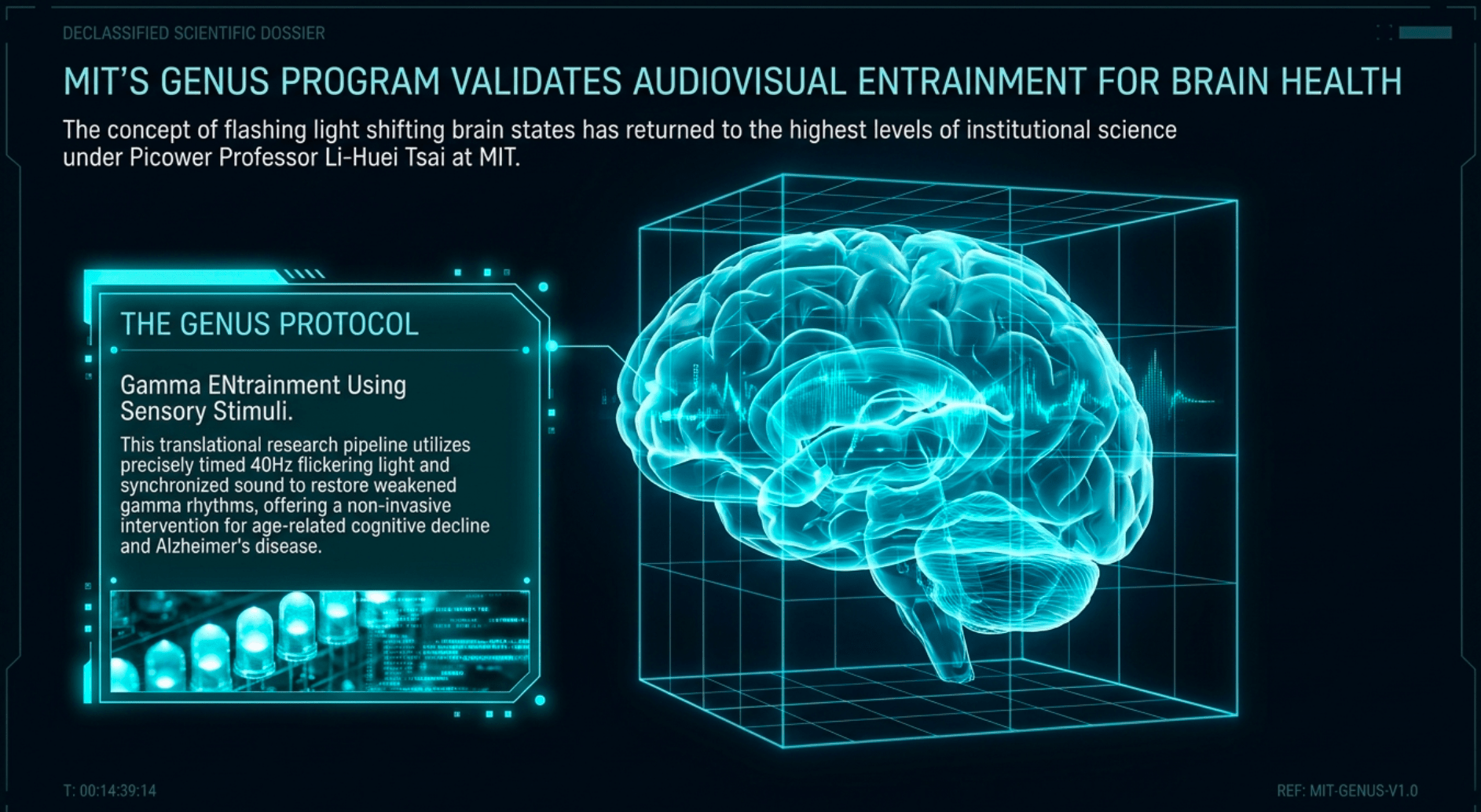
Audio visual entrainment or AVE technology uses rhythmic pulses of light and sound delivered through specialized glasses and headphones to guide brainwave patterns toward desired states such as relaxation focus or improved cognition. Commercial devices have offered these experiences for decades yet the approach gained new scientific grounding through rigorous research at the Massachusetts Institute of Technology. The GENUS program developed under the leadership of Picower Professor Li Huei Tsai provides one of the most detailed examples of how AVE principles can be applied in a targeted evidence based way to support long term brain health particularly in the context of age related cognitive decline.
By entraining gamma frequency rhythms at exactly 40 cycles per second GENUS demonstrates a practical pathway for AVE users to engage with protocols that have been tested in both laboratory models and human participants. This work began with observations of weakened gamma rhythms in Alzheimer disease models and has evolved into a full translational pipeline that includes mechanistic studies safety trials and extended human data. The findings position AVE devices as more than general wellness tools and highlight their potential role in structured stimulation routines when frequencies are set to match those studied in the MIT program. Larger clinical efforts continue to explore these applications while the existing results already offer a concrete framework for understanding what AVE can achieve when aligned with gamma entrainment goals.
Ten Key Points from the Research: The Biological Dishwasher
- The entire GENUS effort is directed by Picower Professor Li Huei Tsai at the Picower Institute for Learning and Memory at MIT where she also serves as director of the institute and the Aging Brain Initiative. Her laboratory has collaborated closely with experts including Emery Brown and Ed Boyden to combine neuroscience engineering and clinical perspectives. This institutional foundation ensures that every stage of the research from basic mechanisms to human testing meets high standards of rigor and reproducibility.
- GENUS which stands for Gamma ENtrainment Using Sensory Stimuli works by delivering precisely timed 40Hz flickering light through LED panels or glasses together with synchronized pulsing sound through speakers or headphones. The goal is to restore and strengthen the brain natural gamma oscillations that often weaken with age or in neurodegenerative conditions. This multisensory approach builds directly on the core mechanisms of AVE while adding a specific frequency target that has been validated across multiple experimental systems.
GENUS which stands for Gamma ENtrainment Using Sensory Stimuli works by delivering precisely timed 40Hz flickering light through LED panels or glasses together with synchronized pulsing sound through speakers or headphones. The goal is to restore and strengthen the brain natural gamma oscillations that often weaken with age or in neurodegenerative conditions. This multisensory approach builds directly on the core mechanisms of AVE while adding a specific frequency target that has been validated across multiple experimental systems. - Foundational experiments published in Nature in 2016 showed that 40Hz visual stimulation alone could reduce amyloid plaque load in the visual cortex of Alzheimer model mice and preserve neuronal health. Subsequent studies expanded the method to auditory stimulation in a 2019 Cell paper and to combined light and sound protocols that produced broader benefits across brain regions. These early results established that sensory driven gamma entrainment could alter disease related pathology in living models without any invasive intervention.
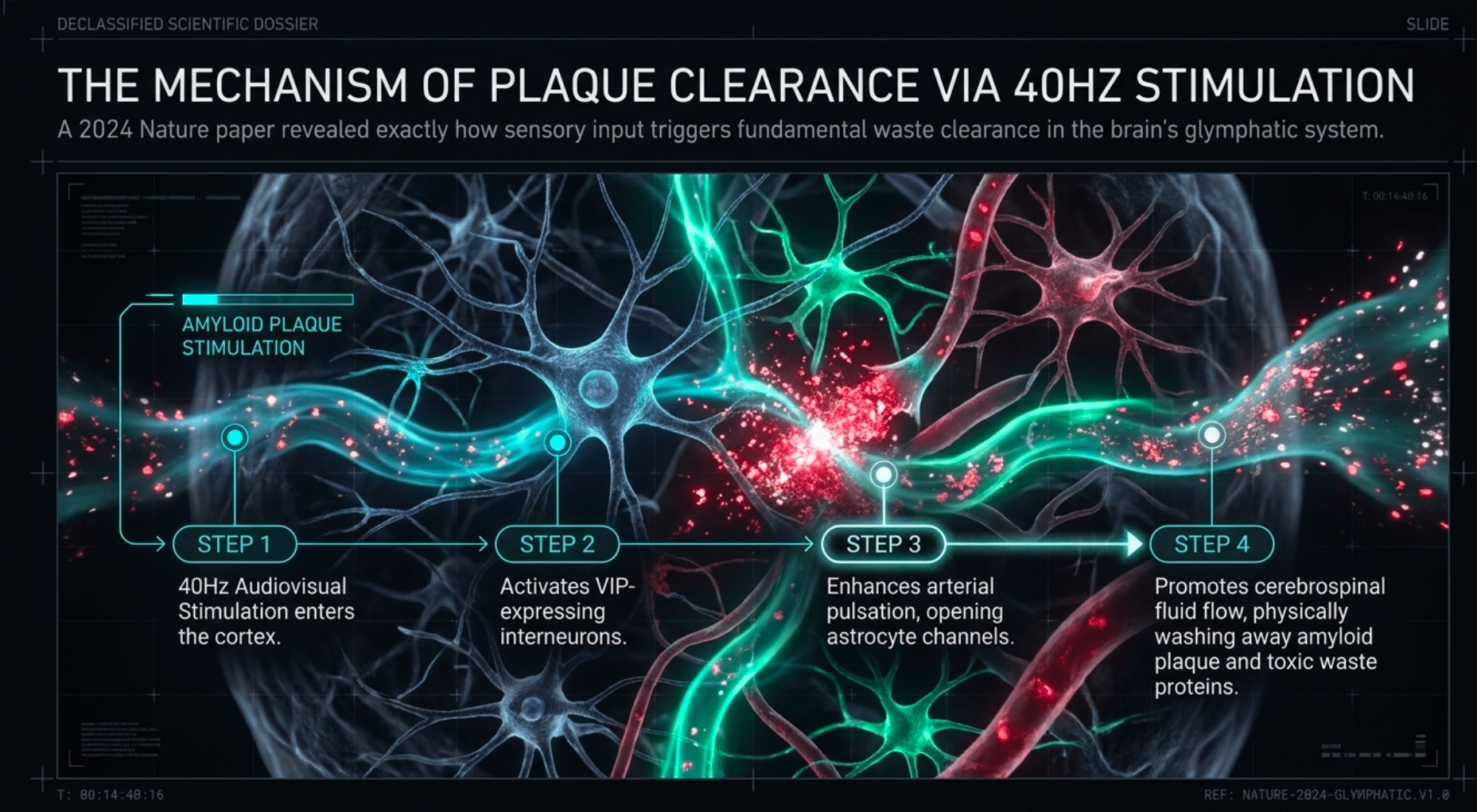
- Detailed mechanistic work published in Nature in 2024 revealed how 40Hz stimulation activates VIP expressing interneurons leading to increased release of a vasoactive peptide. This in turn enhances arterial pulsation opens astrocyte channels and promotes cerebrospinal fluid flow through the glymphatic system to clear amyloid and other waste proteins from brain tissue. The discovery provides a clear biological explanation for the observed reductions in pathology and links the sensory input of AVE style devices to fundamental clearance processes in the brain.
- Human testing began with Phase 1 feasibility studies and a randomized Phase 2A pilot trial published in 2022 that together involved cognitively normal volunteers and people with mild probable Alzheimer disease. Participants received daily one hour sessions of synchronized 40Hz light and sound delivered via home based devices. The studies confirmed excellent safety with no serious adverse events high compliance rates and reliable induction of gamma entrainment measurable by electroencephalography across multiple brain areas including deeper structures such as the hippocampus.
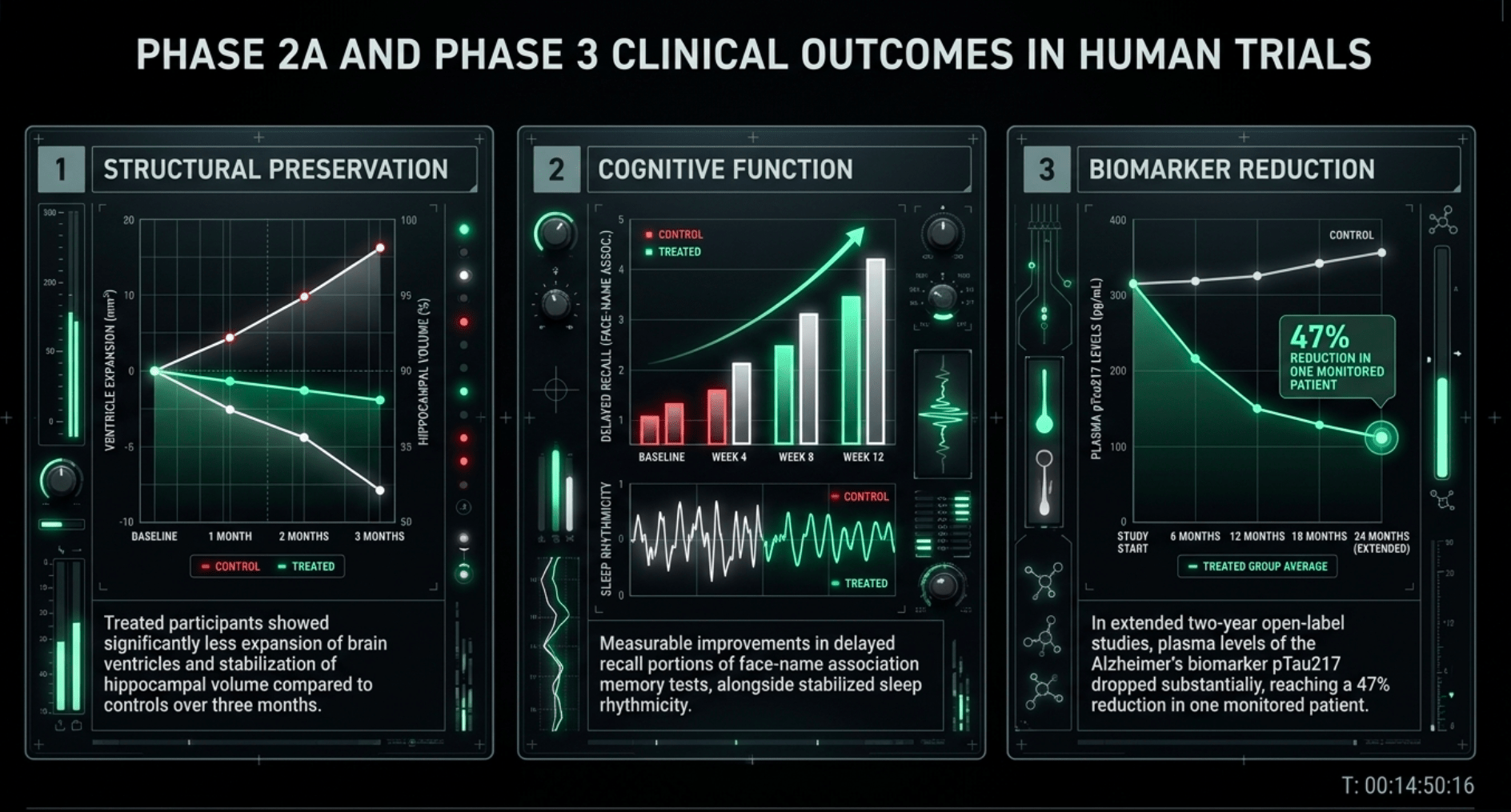
- Short term results from the 2022 trials showed several functional benefits after three months of use. Treated participants experienced less expansion of brain ventricles and stabilization of hippocampal volume compared with controls. They also performed better on delayed recall portions of face name association memory tests and displayed improved measures of sleep quality and daily activity rhythmicity. These outcomes occurred alongside the expected increase in gamma power and coherence indicating that the entrainment translated into measurable changes in brain structure and everyday function.
- The 2025 open label extension study followed five volunteers from the original trial who continued daily 40Hz audiovisual stimulation at home for approximately two years making it the longest continuous human test of the approach to date. Researchers tracked cognition through standard batteries brain volume via MRI brain wave responses via EEG circadian rhythms and in two cases plasma levels of the Alzheimer biomarker pTau217. The small but carefully monitored cohort provided the first extended view of how sustained AVE style gamma stimulation performs outside controlled laboratory settings.
- Among the three participants with late onset Alzheimer disease several cognitive measures remained significantly higher than those recorded in matched untreated patients drawn from large national databases. Plasma pTau217 levels dropped substantially in the two individuals who provided samples with reductions reaching 47 percent in one case and 19.4 percent in the other. These participants also showed stronger brain wave responsiveness to the stimulation at the two year mark and clearer improvements in circadian rhythm stability compared with their baseline patterns.
- The two participants with early onset Alzheimer disease displayed a different response profile with little to no slowing of cognitive decline and reduced brain wave entrainment during stimulation sessions. Researchers noted that disease onset timing rather than gender appeared to influence outcomes and emphasized that the overall dataset while limited still highlighted important heterogeneity in how individuals respond to gamma frequency sensory input. No major preservation of brain volume was observed at the two year time point although earlier short term stabilization had been documented.
- The accumulated evidence from mouse models mechanistic studies and human trials supports the use of 40Hz settings within AVE devices as a practical evidence informed option for users interested in gamma entrainment. Commercial systems that allow frequency selection such as advanced models with programmable light and sound programs can align directly with the GENUS protocol. Ongoing nationwide Phase 3 trials conducted by the MIT spinout company Cognito Therapeutics together with new studies exploring preventative use in people with family history of Alzheimer disease continue to refine dosing timing and patient selection. This body of work gives AVE practitioners and device users a scientifically grounded reference point for incorporating targeted gamma stimulation into broader wellness or cognitive support routines while underscoring the value of continued research into who benefits most and how results can be optimized over time.
Links:
• MIT News summary of the 2016 study: https://picower.mit.edu/news/unique-visual-stimulation-may-be-new-treatment-alzheimers
• Original Nature paper (2016): https://www.nature.com/articles/nature20587
Comprehensive Recent Review (2025)
A major open-access review summarizing a decade of MIT-led research (and confirming work from other labs worldwide) on how 40Hz gamma stimulation via light, sound, or combined audiovisual stimulation promotes brain health and fights Alzheimer’s pathology:
• MIT News article (March 2025): https://news.mit.edu/2025/evidence-40hz-gamma-stimulation-promotes-brain-health-expanding-0314
• Full review paper in PLOS Biology: https://journals.plos.org/plosbiology/article?id=10.1371/journal.pbio.3003046
Additional Key MIT Resources
• Tsai Lab overview of GENUS (Gamma Entrainment Using Sensory stimuli): https://tsailaboratory.mit.edu/
• Recent clinical/human study updates: Small human trials have shown safety and some benefits (slowed brain atrophy, cognitive improvements) with 40Hz light + sound stimulation.
This line of research is directly relevant to the entrainment mechanisms discussed in the Zygon/AVE article (photic driving, frequency following response, and gamma-band stimulation). The MIT team’s work has popularized non-invasive 40Hz sensory stimulation as a potential therapeutic approach.
The Downfall Of Zygon
Zygon International was founded in 1986 by Dane Spotts after his personal work with sensory deprivation tanks. He wanted to make profound mental states more accessible through technology. The SuperMind launched in the early 1990s. The Learning Machine followed with refinements. Vintage print ads appeared in magazines around 1995 promoting the Learning Machine as a virtual reality style breakthrough for accelerated learning and skill acquisition. They showed the glasses and unit with bold claims about subconscious change and expanded abilities. These were exactly the back page advertisements that first caught my attention.
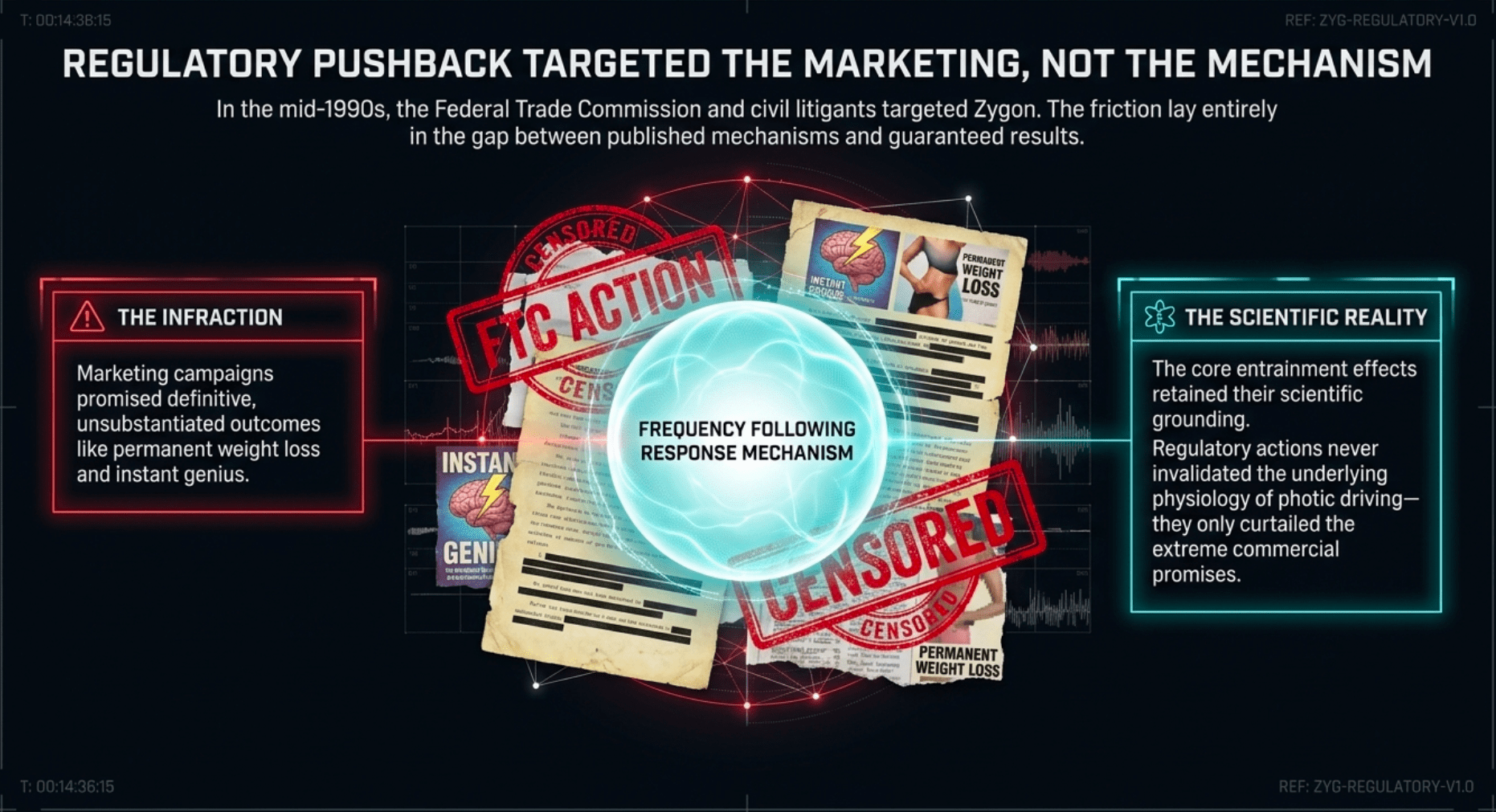
The company faced significant regulatory and legal pressure. The Federal Trade Commission (FTC) brought action against Zygon International. The complaint targeted advertising claims that the devices and programs could accelerate learning, produce reliable health outcomes such as permanent weight loss or smoking cessation, and deliver other transformative results presented as established fact. Regulators argued many claims lacked adequate substantiation. The case resulted in requirements for refunds to affected customers and restrictions on future marketing language. Reports indicated refunds reached substantial totals across the customer base.
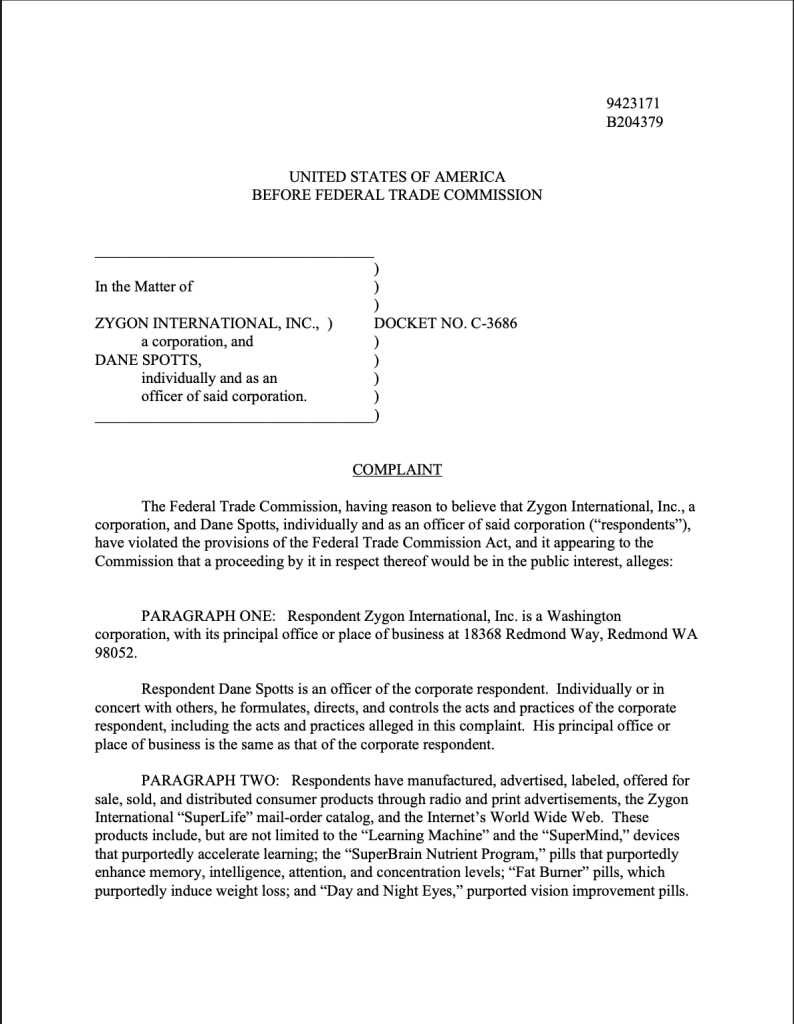
Thus in 1996, the FTC brought an administrative action against Zygon International, Inc. and its president Dane Spotts (Docket No. C-3686) for deceptive advertising practices related to the SuperMind brainwave synchronizer and the Learning Machine (along with companion products). The FTC alleged that Zygon made numerous unsubstantiated claims in its “SuperLife” catalog, magazine advertisements, and other promotions about the devices’ ability to dramatically accelerate learning, enable overnight foreign language acquisition, enhance memory and concentration, improve public speaking, reduce stress, and support habit change through brainwave entrainment and Behavioral MindScripts.
The complaint detailed specific advertising claims (with exhibits from Zygon’s own materials) asserting that the devices could “teach you foreign languages overnight,” provide a “photographic mind,” or deliver powerful results for weight loss, quitting smoking, and other goals via light-pulse glasses and audio programs. Similar unsubstantiated claims were made for related products such as the SuperBrain Nutrient Program, Fat Burner pills, and Day and Night Eyes pills. The FTC charged these representations as false or misleading under Sections 5 and 12 of the FTC Act because Zygon lacked competent and reliable scientific evidence to support them.
Zygon settled the matter through a consent agreement. Under the final Decision and Order, the company was prohibited from making future claims about the products’ effects on learning, brain function, memory, concentration, weight loss, vision improvement, or related benefits unless those claims were substantiated by competent and reliable scientific evidence. Zygon agreed to pay up to $195,000 in consumer redress (refunds to purchasers). The order also included standard fencing-in provisions and notification requirements to prevent recurrence of deceptive practices.
In addition to the federal FTC action, Zygon faced state-level enforcement. For example, the Washington State Attorney General reached a separate settlement requiring the company to pay approximately $320,000 to resolve consumer complaints and lawsuits from multiple states. These actions stemmed from widespread consumer dissatisfaction with product performance and refund difficulties.
The FTC case highlighted broader regulatory scrutiny of 1990s “mind machine” and accelerated-learning products that made strong efficacy claims without adequate substantiation. While Zygon continued some operations afterward (and related content later appeared under other branding), the 1996 action effectively curtailed its aggressive advertising of the SuperMind and Learning Machine.
Full Links to Legal Documents
- FTC Complaint (September 24, 1996): https://www.ftc.gov/sites/default/files/documents/cases/1996/09/c3686cmp.pdf
- Decision and Order (final order): https://www.ftc.gov/sites/default/files/documents/cases/1996/09/c3686.do.pdf
- FTC Press Release announcing the settlement and refunds (April 4, 1996): https://www.ftc.gov/news-events/news/press-releases/1996/04/marketer-learning-machine-give-refunds-under-settlement-ftc-over-unsubstantiated-claims
- Full Commission Decision (in Volume 122 of FTC Decisions): https://www.ftc.gov/system/files/documents/commission_decision_volumes/volume-122/vol122pg217-324.pdf
These documents provide the complete record of the allegations, evidence (including Zygon’s own ads), and the resulting prohibitions and redress requirements.
Multiple private lawsuits followed in Washington state courts, with more than a dozen actions documented in some accounts. These centered on similar issues of performance and health representations. The combination of FTC involvement and civil litigation created financial and operational strain. Marketing for the more extreme claims was curtailed. Hardware sales eventually declined as the company shifted focus. The legal actions reflected a broader pattern where products making strong consciousness or health claims encountered institutional pushback when evidence did not match promotional scope. Core entrainment effects retained scientific grounding even as specific outcome guarantees drew fire.

What Happened After the FTC Action
The 1996 FTC settlement (Docket C-3686) and related state actions created significant financial pressure on the company:
• Zygon agreed to pay up to $195,000 in consumer refunds/redress through the FTC.
• A separate Washington state settlement required payment of approximately $320,000 to resolve consumer complaints and lawsuits from multiple states.
These obligations, combined with the injunction against making unsubstantiated claims and the reputational damage from widespread negative publicity and consumer complaints, appear to have been unsustainable for the business.
Company Shutdown and Dane Spotts’ Next Steps
According to later accounts, Zygon International ultimately shut down its operations following the legal actions. Dane Spotts pivoted away from the brainwave device business and focused on his other company, PSI TECH (a remote viewing/intelligence-related venture that continued for years afterward). I also have these devices, that is another article.
The FTC Decision and Order itself included standard protective language anticipating the possibility of bankruptcy or corporate dissolution. It explicitly protected the consumer redress funds so they would not be claimed as part of any bankruptcy estate. This language was precautionary and does not indicate that bankruptcy actually occurred.
The Next Generation
You can still find, although high priced, early versions of the Zygon devices. It is interesting when you can get a very large library of tapes or CDs. The devices themselves are usually in bad condition or broken in many cases. I am working on a consumer version tied to an AI mode and The Human Synapse Decoder for full feedback that adjusts the lights tailored to your physiology. It is early days but I will write quite a bit on it in the future. However if you are intrigued, don’t wait, experiment.
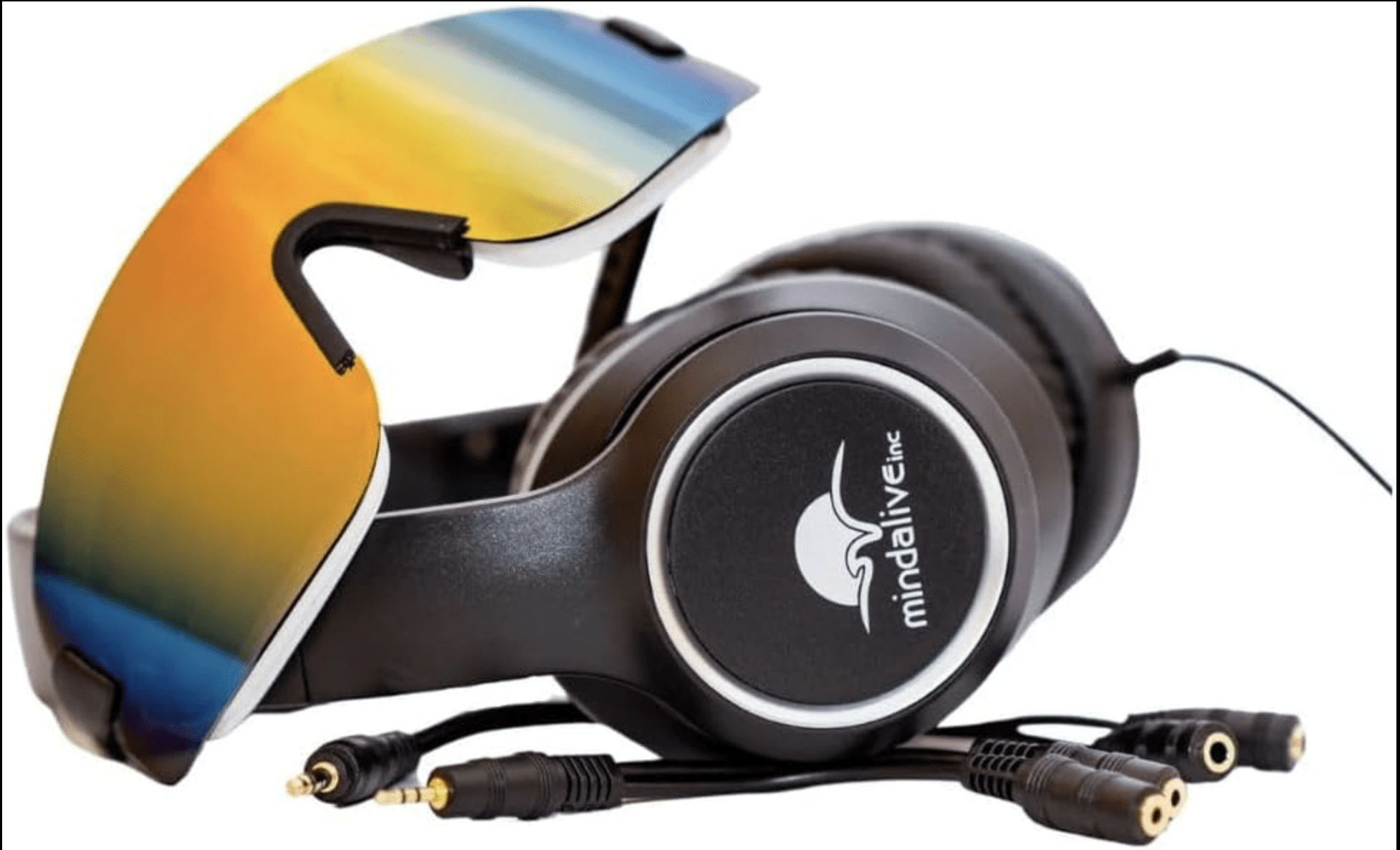
Today the original Zygon hardware exists mostly on secondary markets. The strongest modern continuation of the same light and sound entrainment approach is the Mind Alive David Delight Plus with LED glasses. It offers precise digital control, a wide library of sessions for focus, meditation, relaxation, sleep, and mood support, comfortable high quality glasses, and refined safety features. It delivers reliable state shifting without the more extravagant claims that triggered earlier regulatory response. You can find it on Amazon at this link (clicking these links will send a few bucks to me to support my work, i have no invlovment in this company in any way):
David Delight Plus with White Light LED Glasses – Best Light and Sound Mind Machine for Brain Training, Meditation
Order: https://amzn.to/4yo7lxB
David Delight pro with Standard White Eyeset Best System for Meditation, Improve Sleep, Relaxation, cognition for Seniors, Anxiety, Depression, ADHD and Pain
Order: https://amzn.to/4vwtOpA
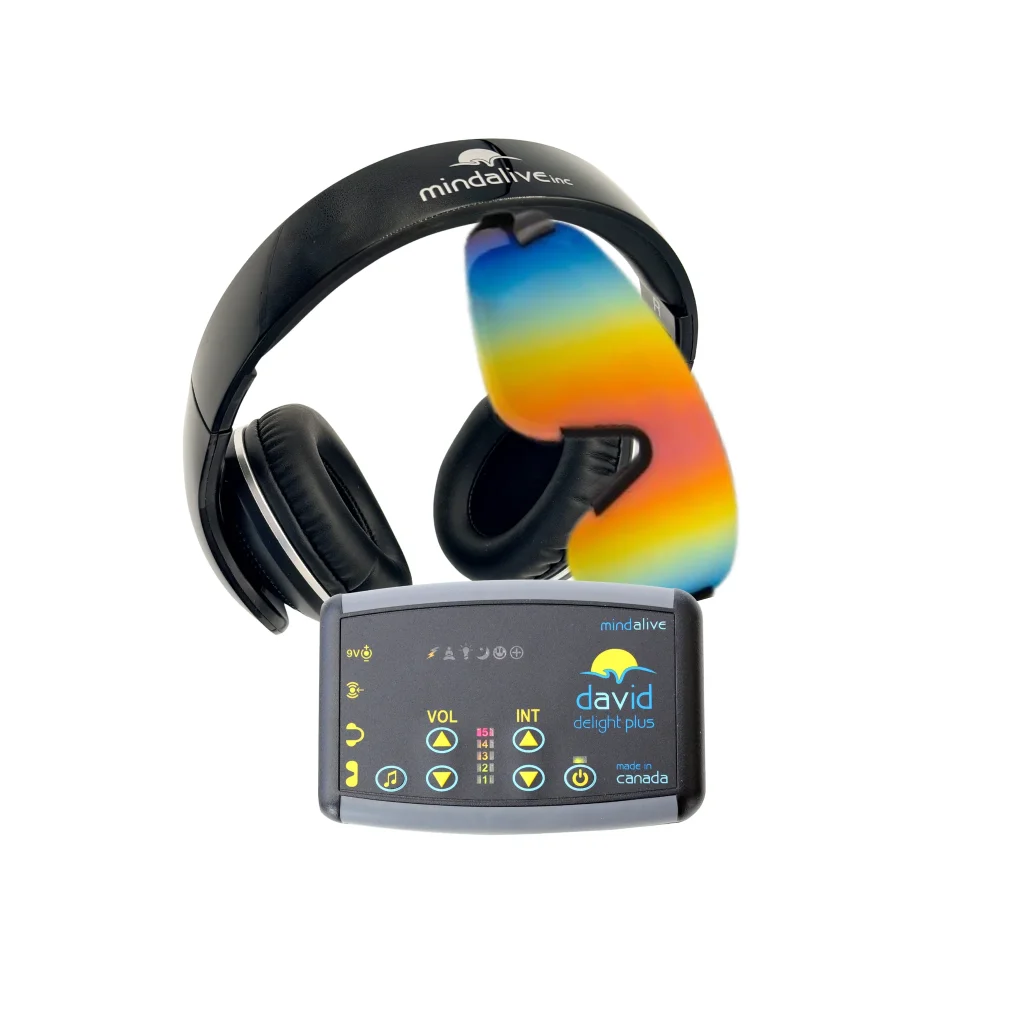
I use and recommend the The Mind Alive David Delight Pro. I use it now when I am not using the devices I have made. The Mind Alive David Delight Plus represents the clearest modern continuation of the light and sound brainwave entrainment technology first popularized by systems like the Zygon SuperMind and The Learning Machine.
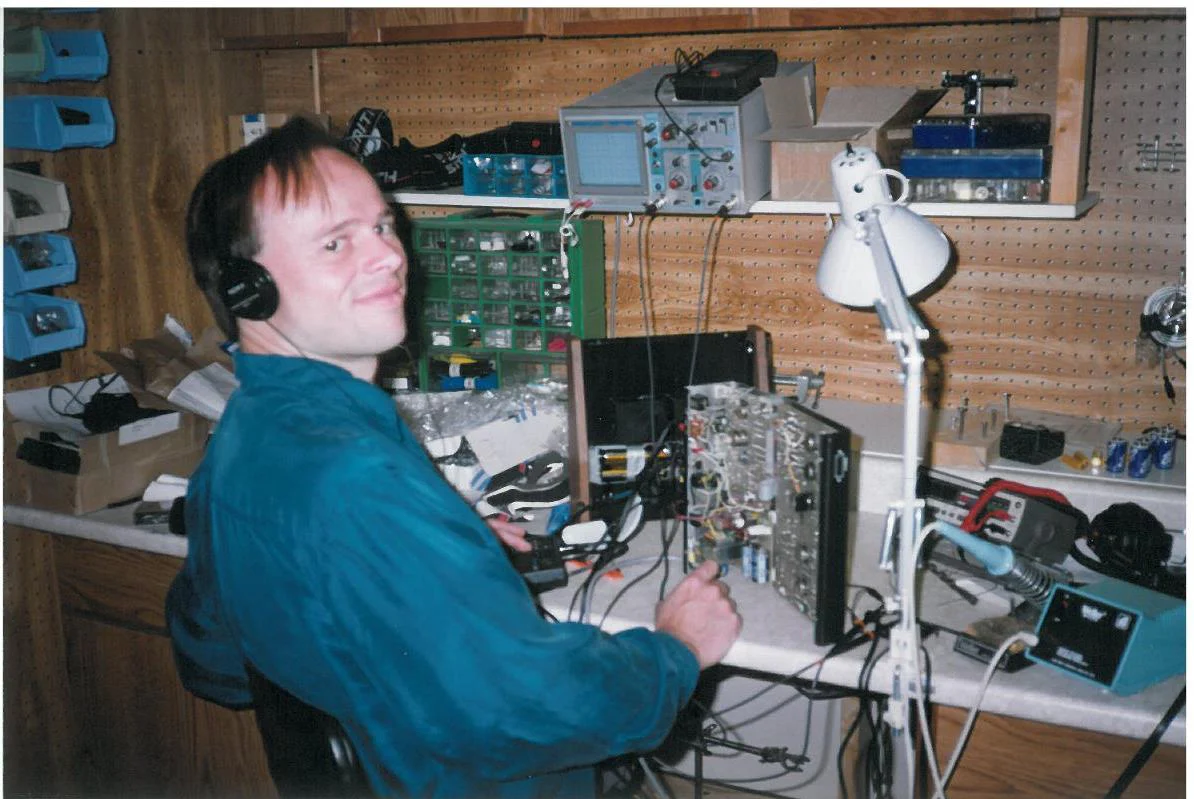
Where the 1990s units relied on cassette or CD programs and basic red LED glasses, the David Delight Plus brings refined hardware, expanded options, and greater user control while preserving the same core entrainment mechanism documented across decades of published research on photic driving and audiovisual stimulation. Dave Sieve’s first AVE device was designed for an instructor in Performing Arts, who planned on using it to help students overcome stage fright. The instructor named this new device the Digital Audio-Visual Integration Device 1 (DAVID1) to recognize Dave’s invention.
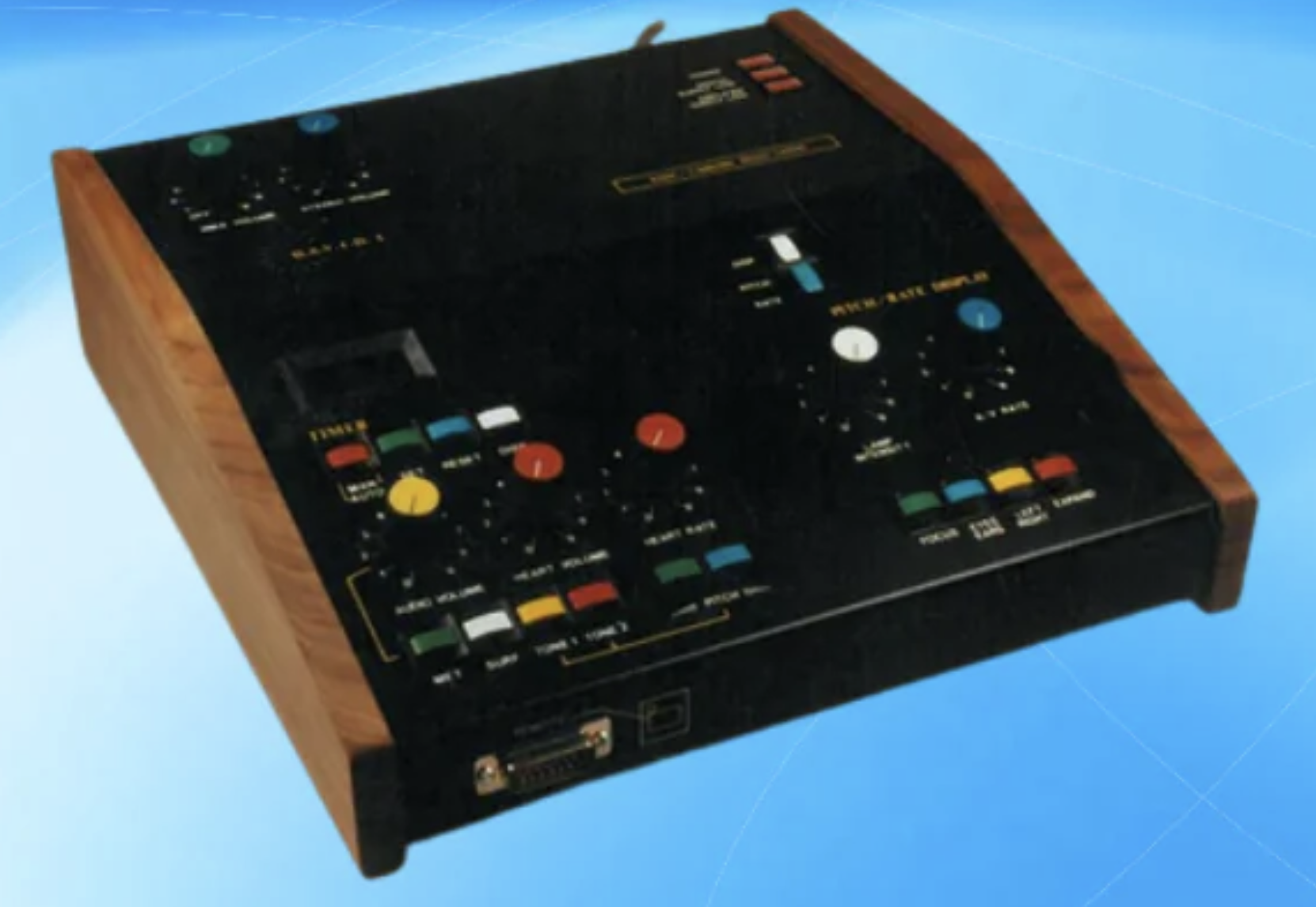
His later generation of AVE device, named the Paradise was on the market in 1990, and was featured on Archie! The Paradise XL came out in 2000, followed by several devices, including the PAL, Delight, and several private-labels. The Paradise XL was unique in that it was the first with eye-field stimulation, making it possible to dramatically increase dissociation and settle the HPA-Axis in war-vets and those struggling with trauma and PTSD, but also allowed a different frequency to be stimulated in each side of the brain, which turned out to work very well for ADHD, an assortment of cognitive disorders and depression.
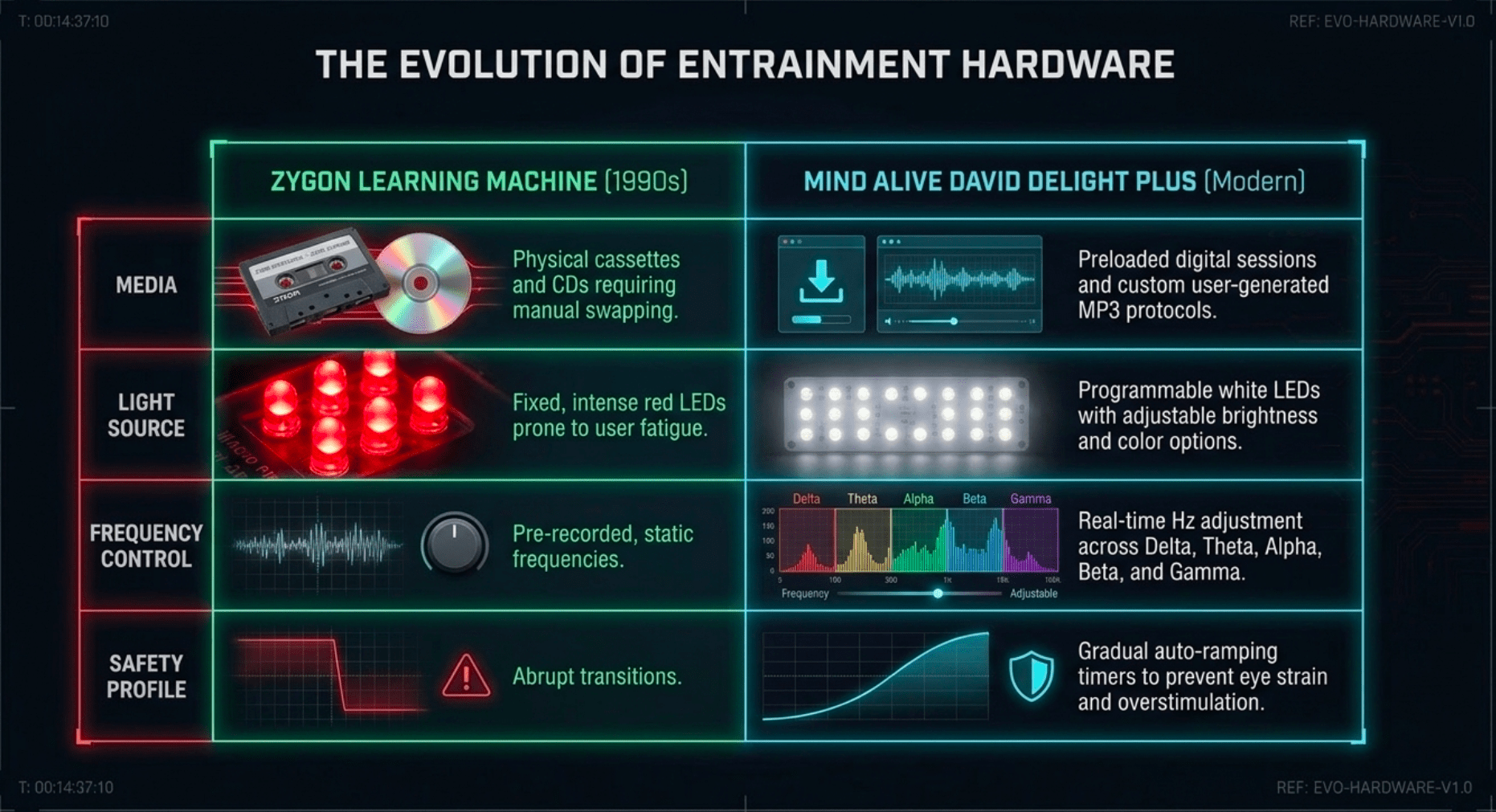
Hardware differences stand out immediately. The original Zygon control unit was a handheld box with a numeric keypad, basic program buttons, and a cassette deck interface powered by a 9-volt battery. The glasses featured fixed red LEDs behind dark lenses. Sessions required swapping physical tapes and offered limited real-time adjustments.

The David Delight Plus uses a smaller, lighter control unit with a clear digital display and intuitive buttons or companion app support on newer variants. Its glasses deliver bright, efficient LEDs in white light as standard, with color options available in related models. Power comes from rechargeable batteries or USB, eliminating the need for frequent disposable battery changes. Build quality feels more durable for regular daily use, and the entire system packs easily into a small case for travel or garage lab sessions.
Program and session options have expanded significantly. The Zygon library centered on dozens of Behavioral MindScripts and MoodScapes delivered on cassettes or CDs. Users selected from fixed titles focused on learning acceleration, habit change, relaxation, and exploratory journeys such as Cetacean Mind Link or Near Death Experience simulations.
The David Delight Plus includes over 25 preloaded sessions plus the ability to create and save custom protocols. Categories cover focus and mental acuity, deep relaxation and meditation, sleep support, mood enhancement, and performance states. Session lengths range from short 10- to 20-minute boosters to full 45- or 60-minute deep work or recovery protocols. Many programs incorporate smooth ramping between frequency bands, something the original units handled through manual program changes or tape sequencing.
Customization and frequency control represent the largest practical leap. The Zygon systems allowed basic frequency and pitch adjustments through the control unit, but most users relied on the pre-recorded programs. The David Delight Plus gives direct access to precise frequency settings across delta, theta, alpha, beta, and gamma ranges. Users can adjust pulse rate, intensity, and duty cycle in real time or build entirely new sessions. This level of control mirrors the kind of garage experimentation I later pursued with DIY versions while providing a polished starting point. Audio integration has also improved. The original required separate headphones and physical media. The modern unit supports high-quality stereo audio with options for binaural beats, isochronic tones, or nature sounds layered into sessions, all managed through one device.
Safety and comfort features reflect decades of user feedback and regulatory lessons. The Zygon glasses could feel intense for some due to the bright red LEDs and fixed design. The David Delight Plus offers adjustable brightness, multiple lens styles for different light transmission, and built-in safety limits that prevent overly aggressive settings. Automatic session timers and gradual start and end ramps reduce abrupt transitions. These refinements make longer or more frequent sessions more sustainable without eye strain or overstimulation.
For someone who spent years with the original Zygon hardware for accelerated learning, the David Delight Plus delivers the same reliable state shifting in a more flexible and user-friendly package. The core entrainment science remains unchanged, yet the added customization, program variety, and modern engineering remove many of the friction points of the cassette era while staying true to the research tradition of guiding brain rhythms through light and sound. It functions as both an accessible daily tool and a platform for personal protocol development.
As I mentioned this has become my primary hardware choice when I want structured, repeatable entrainment without assembling a new custom rig from scratch. The evolution from those back-page ads of the 1990s to this level of refined capability shows how the technology has matured while preserving its original promise of practical mental state training.
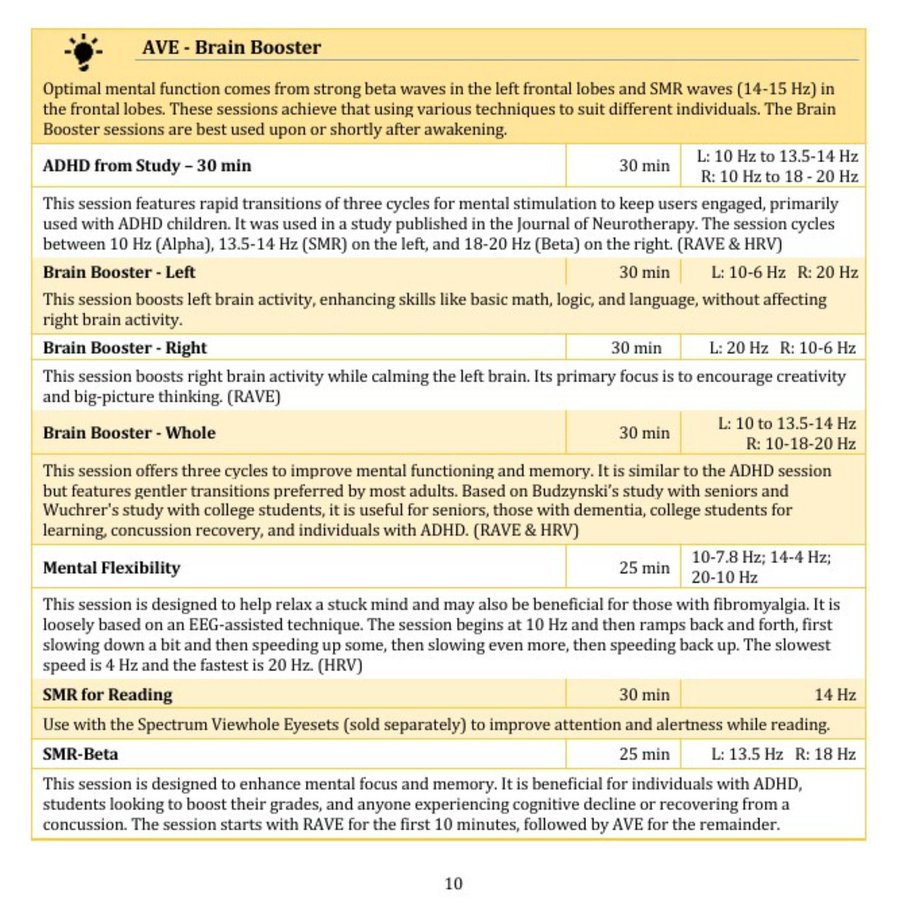
Clinically Tested Sessions for Optimal Results
Our sessions are designed based on the latest research findings to ensure the most effective results. They have been thoroughly tested and supported by research articles on various topics, including:
- Seasonal Affective Disorder (SAD)
- Stress reduction
- Sleep problems
- Improved mood and mental sharpness
- Balance improvement in older adults
- Reduced worry
- Enhanced concentration and memory in college students
The sessions also include our proprietary randomization process, which helps encourage healthy dissociation and enhance the entrainment process.
How David Delight Plus’s Relates to the MIT Research
The device offers three specific gamma-focused sessions in its user-designed category:
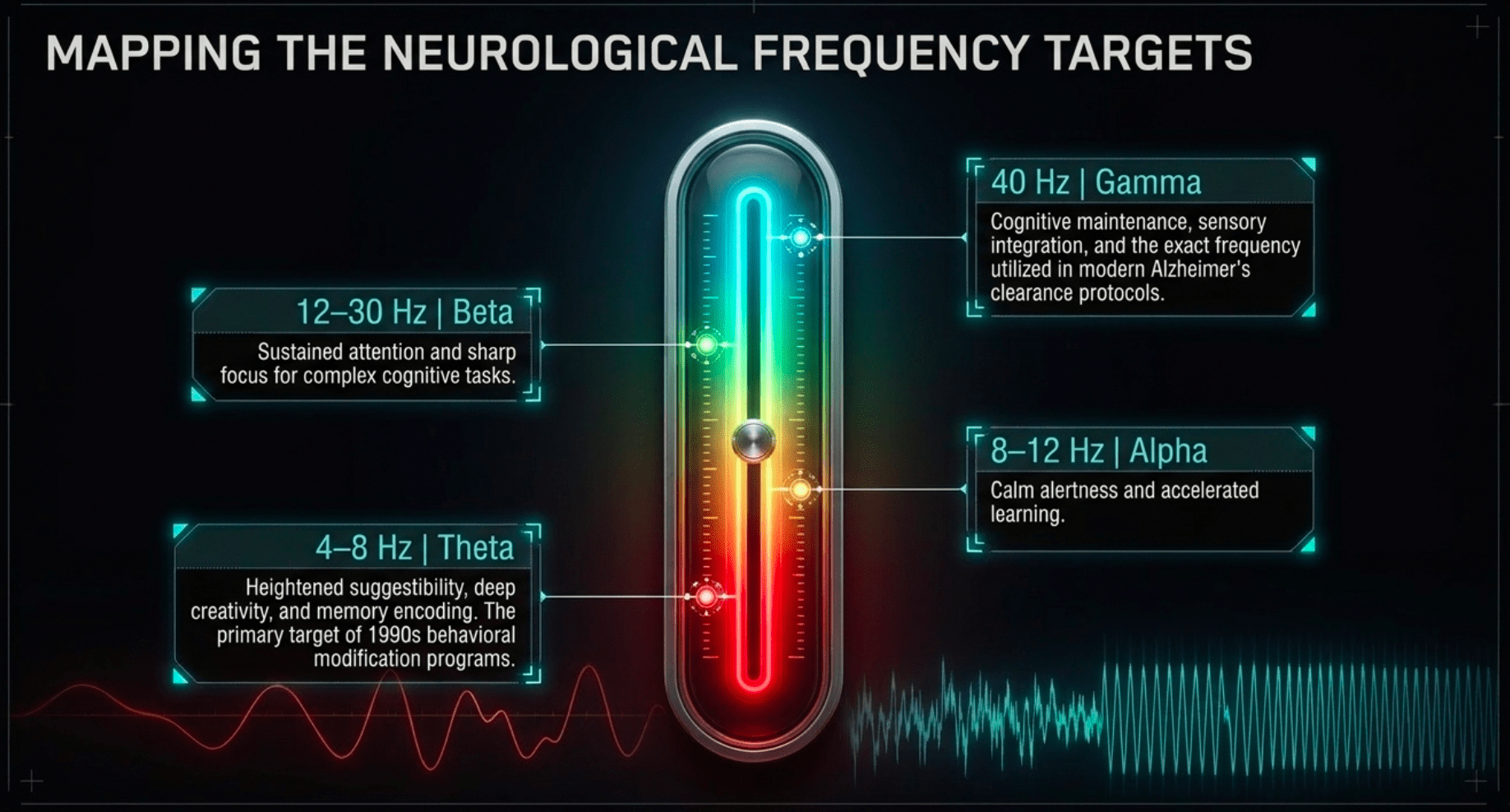
- SMR/Gamma cycling — Alternates between 40 Hz gamma and SMR (12–15 Hz) every few minutes. This combines calming sensorimotor rhythm activity with gamma for mental sharpness.
- Randomized 38–42 Hz — Uses controlled randomization around the 40 Hz target for a more dynamic entrainment effect.
- Fixed 40 Hz — A steady gamma session based on research linking 40 Hz activity to attention, sensory binding, and cognitive processing.
These are part of the larger session library (28 total sessions across Energize, Meditate, Brain Booster, Sleep, and Feeling Better categories). The device uses its standard white-light LED glasses and audio (with options for binaural or isochronic tones) to deliver the stimulation. Sessions can be run with the built-in programs or customized via optional software.
As meontioned above the MIT Picower Institute work led by Li-Huei Tsai (and collaborators) has popularized 40 Hz gamma sensory stimulation (light flicker, sound, or audiovisual) for brain health, showing benefits in mouse models such as reduced amyloid plaques, preserved neurons and synapses, and improved memory. Human pilot studies from MIT and spin-off companies like Cognito Therapeutics have explored similar 40 Hz audiovisual protocols for slowing brain atrophy and supporting cognition in mild Alzheimer’s.
The David Delight Plus’s fixed and randomized 40 Hz options provide a consumer-accessible way to experiment with the same target frequency the MIT studies use. While the David device is not a clinical GENUS (Gamma Entrainment Using Sensory stimuli) protocol, it overlaps significantly in mechanism: rhythmic light pulses at 40 Hz combined with synchronized audio. Users often run these gamma sessions for focus, mental clarity, or cognitive support — aligning with the research showing gamma’s role in attention, perception, and neural network coordination.
Practical Notes for Users
- Duration and Use: Gamma sessions are typically 20–45 minutes. Start with shorter runs if you’re new to higher-frequency entrainment, as some people find 40 Hz more alerting or intense than theta/alpha programs.
- What to Expect: Many users report heightened focus, clearer thinking, or a “mental sharpness” effect during or after 40 Hz sessions. Some notice improved memory consolidation or creative flow when alternating with lower-frequency programs. Results vary by individual and consistency.
- Comparison to MIT Approach: MIT studies often use precise 40 Hz flicker (sometimes combined with sound) over longer daily protocols in controlled settings. The David device offers a convenient home version with adjustable intensity and integration with other brainwave bands — making it a practical entry point for exploring the gamma research personally.
- Safety: The device has built-in safety limits and adjustable brightness. As with any light-based entrainment, consult a doctor if you have photosensitivity or epilepsy. The MIT work has generally shown good tolerability in trials.
The David Delight Plus therefore gives you a direct, ready-to-use way to experiment with the 40 Hz gamma frequency that has generated so much interest from the MIT studies — while still offering the full spectrum of classic entrainment programs the Zygon lineage popularized decades earlier. It’s one of the strongest consumer bridges between the historical research (Soviet photic driving, early AVE) and today’s evidence-based gamma work.
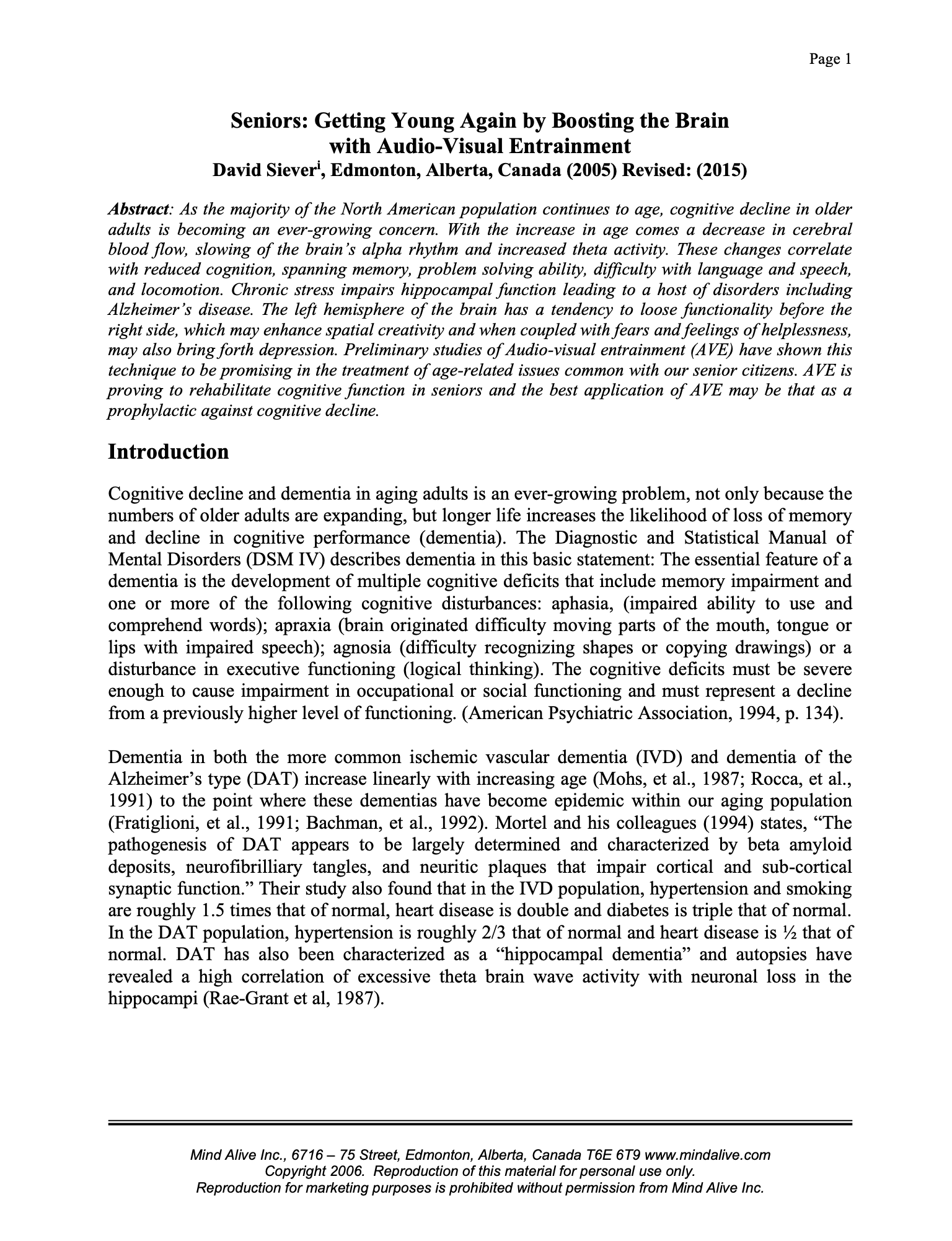
Studies Performed with the DAVID Devices Proving their Efficacy & Safety
*Thomas, N., Siever, D. (1989). The effect of repetitive audio/visual stimulation on skeletomotor and vasomotor activity. Waxman, D., Pederson, D., Wilkie, I., & Meller, P. (Eds.) Hypnosis: 4th European Congress at Oxford. 238-245. Whurr Publishers, London.
Gagnon, C., & Boersma, F. (1992). The use of repetitive audio-visual entrainment in the management of chronic pain. Medical Hypnoanalysis Journal, 7, 462-468.
Kari Nations Leonard, Michael J. Telch, Patrick J. Harrington. (1999). Dissociation in the laboratory: A comparison of Strategies. Behavior Research and Therapy, 37, 49-61.
#Berg, K., Mueller, H., Seibel, D., & Siever, D. (1999). Outcome of medical methods, audio-visual entrainment, and nutritional supplementation in the treatment of fibromyalgia syndrome. Inhouse manuscript, Mind Alive Inc., Edmonton, Alberta, Canada.
Trudeau, D. (1999). A trial of 18 Hz audio-visual stimulation on attention and concentration in chronic fatigue syndrome (CFS). Proceedings of the Annual Conference for the International Society for Neuronal Regulation.
*Joyce, M., & Siever, D. (2000). Audio-visual entrainment program as a treatment for behavior disorders in a school setting. Journal of Neurotherapy. 4, (2) 9-15.
Leonard, K., Telch, M., & Harrington, P. (2000). Fear response to dissociation challenge. Anxiety, Stress and Coping, 13, 355-369.
Joyce, M. (2001). New Vision School: Report to the Minnesota Department of Education, unpublished.
Allan Emmanuel Yawo Atsu. (2003). Accelerated Learning by College Students Through AudioVisual Entrainment Technology, Clayton College, Moose Jaw, Saskatchewan, Canada, Unpublished.
#Berg, K., & Siever, D. (2004). The effect of audio-visual entrainment in depressed community dwelling senior citizens who fall. In-house manuscript. Mind Alive Inc., Edmonton, Alberta, Canada.
Mark B. Powers, Jasper A. J. Smits, and Michael J. Telch. (2004). Disentangling the Effects of Safety-Behavior Utilization and Safety-Behavior Availability During Exposure-Based Treatment: A Placebo-Controlled Trial. Journal of Consulting and Clinical Psychology, 72, (3), 448–454.
Jasper A.J. Smits, Mark B. Powers, Rachel Buxkamper, Michael J. Telch. (2006). The efficacy of videotape feedback for enhancing the effects of exposure-based treatment for social anxiety disorder: A controlled investigation. Behavior Research and Therapy, 44, 1773–1785.
Jonathan D. Horowitz and Michael J. Telch. (2007). Dissociation and Pain Perception: An Experimental Investigation. Laboratory for the Study of Anxiety Disorders, University of Texas at Austin, Austin, TX. Journal of Traumatic Stress, 20, (4), 597–609.
Budzynski,T., Budzynski, H.K., Tang, H.Y. (2007). Brain brightening: Restoring the aging mind. In Evans, JR (Ed.) Handbook of Neurofeedback: Dynamics and Clinical Applications, Haworth Press, p. 231-265.
Kate B. Wolitzky-Taylor, Jonathan D. Horowitz, Mark B. Powers 1, Michael J. Telch. (2008). Psychological approaches in the treatment of specific phobias: A meta-analysis. Clinical Psychology Review, 28, 1021–1037.
#Berg, K. & Siever, D. (2009). A Controlled Comparison of Audio-visual Entrainment for Treating SAD. Journal of Neurotherapy, Vol 13, 3, 166-175.
Viktor Wuchrer – University Erlangen-Nürnberg. (2009). Study on Memory and Concentration. Unpublished.
Pigott, H.E. & Dawe, R. (April 2009). Combining neurotherapy with mindfulness meditation training to foster wellness during early recovery. Federation of State Physician Health Programs Annual Conference, New Orleans.
Kate B. Wolitzky-Taylor, Michael J. Telch. (2010). Efficacy of self-administered treatments for pathological academic worry: A randomized controlled trial. Behaviour Research and Therapy, 48, 840-850.
Naeeimi, M. Hosseini, S., Biglarian, A., Amiri, N., Pishyareh, E. (2013). Effectiveness of Audiovisual Stimulation on Executive function in Children with High-functioning Autism. Iranian Rehabilitation Journal, Vol. 11, Special issue.
Palmquist, C. (2014). Brain Brightening with Audio-visual Entrainment for Memory Enhancement in the Middle-aged and Senior Population. Dissertation.
Danielle Impey, Verner Knott. (2015). Effect of transcranial direct current stimulation (tDCS) on auditory discrimination: a pilot study. Journal of Neural Transmission, 122:1175 1185.
Danielle Impey, Sara de la Salle, Ashley Baddeley and Verner Knott. (2017). Effects of an NMDA antagonist on the auditory mismatch negativity response to transcranial direct current stimulation. Journal of Psychopharmacology, Vol. 31(5) 614–624.
Brooke M. Roberts, Alex Clarke, Richard J. Addante & Charan Ranganath. (2018). Entrainment enhances theta oscillations and improves episodic memory, Cognitive Neuroscience, 9:3-4, 181-193.
He Q, Colon-Motas KM, Pybus AF,et al. A feasibility trial of gamma sensory flicker for patients with prodromal Alzheimer’s disease. Alzheimer’s Dement. (2021) ;7:e12178. https://doi.org/10.1002/trc2.12178
Al-Salihy, A. A.-R. S. (2025). Audio-visual entrainment (AVE) therapy in reducing symptoms of pseudobulbar affect (PBA): Two case studies. NeuroRegulation, 12(1), 40–50. https://doi.org/10.15540/nr.12.1.40
* Study conducted by Dave Siever.
# Study done by internship students from the University of Alberta. These students are hired by
Mind Alive Inc., but the study design and the Independent Review Board (IRB) is under control
of the respective university professors and staff. Mind Alive Inc does not engage in the study or
know the results until the study is completed.
All other studies are completely independent from influence of Dave Siever or Mind Alive Inc.
Another Method I Don’t Recommend
Some have replicated Zygon with a smartphone as the smart controller and display source, paired with cheap 3D/VR goggles (phone-insertion style like Google Cardboard or similar headsets) and standard Bluetooth or wired headphones. This is already being done in real apps and studies. I do not recommend this for many reasons including radio waves so close to your eyes and head as well as the brightness of the displays are too harsh. However here is what some have done.
Setup
- Hardware:
- Your smartphone (iPhone or Android) inserted into VR/3D goggles so the screen sits right in front of your eyes, filling your field of view.
- Bluetooth or wired headphones connected to the phone.
- Optional extras: Phone case/holder for stability in the goggles, and maybe a cheap external battery if sessions are long (phone can get warm).
- Visual Stimulus (Photic Entrainment):
- An app on your phone displays full-screen flickering patterns.
- Common implementations: Simple color switching (e.g., red ↔ black, or blue ↔ white) at precise frequencies like 10 Hz for alpha waves.
- More advanced: Fractal patterns, mandalas, animated visuals, or strobing lights that ramp through frequencies.
- In VR goggles, this feels immersive and isolated — better peripheral coverage than the old small LEDs in some cases.
- Audio Stimulus:
- The same app generates or plays synchronized sounds through your headphones:
- Isochronic tones (clear pulsing beats).
- Binaural beats (slightly different frequency in each ear — brain perceives the difference).
- Modulated pink/brown noise or tones.
- Everything stays perfectly timed with the visuals (e.g., light flash + audio pulse at the exact same moment).
- The same app generates or plays synchronized sounds through your headphones:
- Control & Session Flow:
- The phone app acts as the “decoder/controller” — it sequences everything automatically.
- Example session: Start at 12–15 Hz (beta/focus) → ramp down to 8–10 Hz (alpha/relaxed learning) → 4–6 Hz (theta/creativity/memory) over 20–40 minutes, then ramp back up.
- You can choose presets for “learning boost,” “deep relaxation,” “focus,” or “creativity.”
- Features often include timers, intensity sliders, color choices, and progress tracking.
How to Use a Brainwave Entrainment Device Like the David Delight Plus
Using a classic light-and-sound entrainment device such as the David Delight Plus is straightforward once you understand the basic setup and realistic expectations. Begin by choosing a quiet, comfortable space where you can sit or recline without interruptions for the duration of the session. Dim the ambient lighting if possible, as this helps the flashing LEDs in the glasses stand out more clearly. Put on the specialized glasses so the LEDs sit directly in front of your closed or partially closed eyes, then connect the headphones. Select your program—whether a short “Quick Charge” beta session for mental alertness, a theta-focused MindScript for learning or creativity, or a longer delta MoodScape for deep relaxation—and start the audio track. The device synchronizes precise light pulses with the audio, guiding your brain rhythms through frequency following.
Sessions typically last between 15 and 60 minutes. Most users start with shorter 15- to 20-minute runs to gauge their response before moving to full-length programs. Sit or lie still, breathe naturally, and allow the combination of rhythmic light flashes and layered audio (often including binaural elements or guided scripting) to do the work. You may notice the lights pulsing at different rates that correspond to target brainwave bands—beta for focus, alpha for calm alertness, theta for creativity and receptive states, or delta for profound rest. Sensations vary: some people feel immediate relaxation or a gentle “pull” into a meditative state, while others experience mild visual patterns behind closed eyelids or a gradual shift in mental quietness. It is common to feel slightly drowsy or deeply relaxed afterward, especially with theta or delta programs. Effects are usually subtle at first and build with consistent use—think of it as training rather than an instant switch.
For best results, use the device regularly, ideally several times per week or daily during focused periods. Pair specific programs with your goals: use learning-oriented MindScripts before study sessions, relaxation tracks before sleep, or focus boosters before demanding cognitive work. Keep a simple journal noting session length, program chosen, and how you felt before and after—this helps you refine your personal protocol over time. Stay hydrated, avoid heavy meals right before sessions if you tend toward drowsiness, and never use the device while driving or operating machinery. If you have a history of photosensitive epilepsy or seizures, consult a physician first, as the flashing lights can trigger issues in sensitive individuals. Start conservatively with lower intensity settings if available, and stop if you experience discomfort such as headache or eye strain.
Preparing for Higher Cognition
Consistent entrainment practice can serve as a powerful foundation for higher cognition by training your brain to access and sustain optimal states more readily. Regular theta sessions, for example, strengthen the brain’s ability to enter creative and integrative modes associated with enhanced problem-solving, insight, and memory encoding. Over weeks and months, many users report improved focus during beta sessions, better emotional regulation from alpha work, and deeper restorative sleep from delta programs—all of which support clearer thinking, faster learning, and greater mental resilience throughout the day. The technology essentially provides a reliable “on-ramp” into brainwave states that would otherwise require years of meditation or happen only sporadically. When combined with active learning or skill practice immediately after a session, the state-dependent benefits can compound: information absorbed while in an entrained theta or alpha state tends to integrate more deeply.
Beyond immediate state shifting, repeated use supports longer-term neuroplasticity and cognitive reserve. By repeatedly guiding the brain through synchronized rhythms, the practice may enhance connectivity in networks involved in attention, memory, and executive function. Modern research on similar 40 Hz gamma stimulation, for instance, shows promise for preserving brain volume and supporting cognitive performance. In practical terms, this means entrainment can act as a daily “warm-up” or recovery tool that prepares your nervous system for demanding mental work—much like physical exercise prepares the body for athletic performance. Many long-term users describe a cumulative effect: easier access to flow states, reduced mental fatigue, and an overall sense of sharper, more flexible cognition even when not actively using the device.
What a session feels like: You lie back or sit comfortably with the goggles on (eyes closed). The screen flickers rhythmically in your vision while pulsing audio plays in your ears. Many people report drifting into calm, focused, or dreamy states as their brainwaves entrain to the stimuli — similar to the old device but more customizable and portable.
Safety note: Flashing lights carry the same photosensitivity risks as the original device (avoid if you have epilepsy or seizure history). Start very gently with lower intensities and familiar frequencies (like 8–12 Hz alpha). Consult a doctor for any therapeutic use.
The Photic Driving Effect Today And In To The future
I continue to build and research in this area and can say this technology has added to my cognitive health and absolutely expanded my ability to learn. Today I use it in conjunction with other systems I mentioned above and will write more about this.
This category of technology has always lived in a strange space between measurable neurophysiology and the hype that surrounds any tool promising to unlock hidden human capacity. The lawsuits and FTC actions were not attacks on entrainment itself. They targeted specific advertising that presented unproven outcomes as guaranteed results. That distinction matters. The underlying mechanism of guiding brain rhythms with light and sound has roots in decades of research. Personal results with disciplined use remain repeatable for many who approach it as a training aid rather than a miracle box.
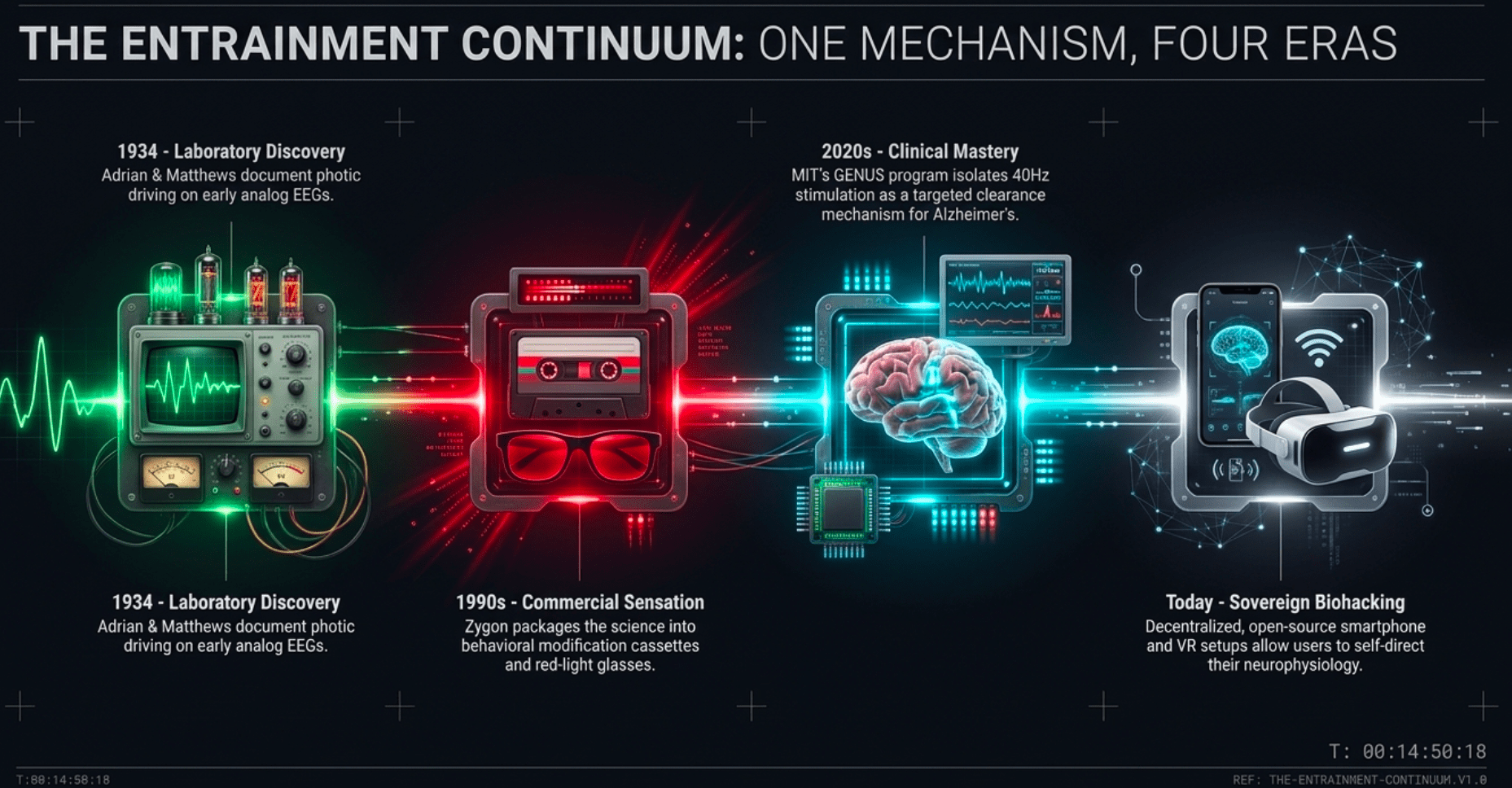
The real story is larger than any single product or legal episode. This technology represents a quiet form of mental sovereignty that powerful institutions and commercial interests have repeatedly sensationalized, regulated, or dismissed rather than broadly empowered. During the Cold War both American and Soviet research programs explored ways to influence or optimize brain states for performance and strategic advantage. Public facing versions like the Zygon systems brought simplified consumer access to those ideas. When marketing crossed into unsubstantiated territory the regulatory apparatus responded forcefully. The practical core of reliable state shifting got caught in the crossfire and largely disappeared from mainstream awareness.
What remains is still powerful precisely because it stayed somewhat underground. In an age of engineered distraction, algorithmic dopamine loops, and constant external demands on attention, the ability to deliberately shift into theta or optimized alpha through controlled light and sound is a genuine edge. It does not require institutional approval or expensive ongoing subscriptions. It can be learned, practiced, and even rebuilt in a garage with basic electronics knowledge. That accessibility is what makes it threatening to systems that prefer populations remain in reactive, externally stimulated states rather than self directed ones.
The secret is not some grand conspiracy to hide flashing glasses. The secret is how consistently effective simple rhythmic entrainment proves to be when used with intention and without expecting magic. Decades of personal application for accelerated learning, recovery, and creative work have shown me the same patterns others quietly report. The technology rewards disciplined experimentation. It scales with the user’s own understanding and refinement. It sits at the intersection of old Soviet photic driving studies, 1990s consumer mind tech, and ongoing garage iteration that continues right now.
Technologies that let individuals reliably access optimal brain states without dependency on centralized platforms or pharmaceuticals represent a form of distributed power. They echo the same garage ethos that once optimized old PC memory refresh cycles and later turned children’s EEG toys into personal brain interfaces. They belong to the lineage of tools that enhance human agency instead of replacing it.
Although Zygon ran into the classic regulatory situation with the FTC over strong medical and performance claims, the underlying research demonstrates they were genuinely onto something significant. The core mechanism of using precisely timed light and sound to guide brain rhythms has solid neurophysiological roots dating back decades, with ongoing studies validating its potential for state regulation, relaxation, and cognitive support. The difficulty arose when ambitious marketing outpaced the available evidence and made promises that could not be fully substantiated at the time, leading to the expected legal pushback and consumer redress requirements.
We are now entering a new era of research with fresh eyes and far better tools. Modern clinical trials, neuroimaging, and controlled studies, particularly around 40 Hz gamma entrainment are providing clearer data on mechanisms, optimal protocols, and measurable outcomes in both healthy individuals and clinical populations. Devices have evolved with digital precision, safety features, and customizable libraries, while researchers are exploring combinations with biofeedback, meditation practices, and even targeted applications for focus, sleep, and neuroprotection. This renewed scientific interest moves the field beyond early hype into evidence-based territory.
The future looks genuinely promising. With rigorous research replacing earlier overstatements, brainwave entrainment technology is maturing into a practical, non-invasive tool that can genuinely support mental performance, emotional balance, and long-term brain health. What began as an ambitious 1990s vision is now being refined and validated in laboratories and clinics worldwide—offering realistic, accessible ways to work with your own brain rhythms for clearer thinking and greater cognitive capacity.
The flashing red lights that first arrived from a Popular Science back page ad never really went away. They simply moved from mail order catalogs into personal labs and refined modern equivalents. The lawsuits and regulatory actions trimmed the overpromising but could not erase the underlying physiology or the subjective results people continued to experience.
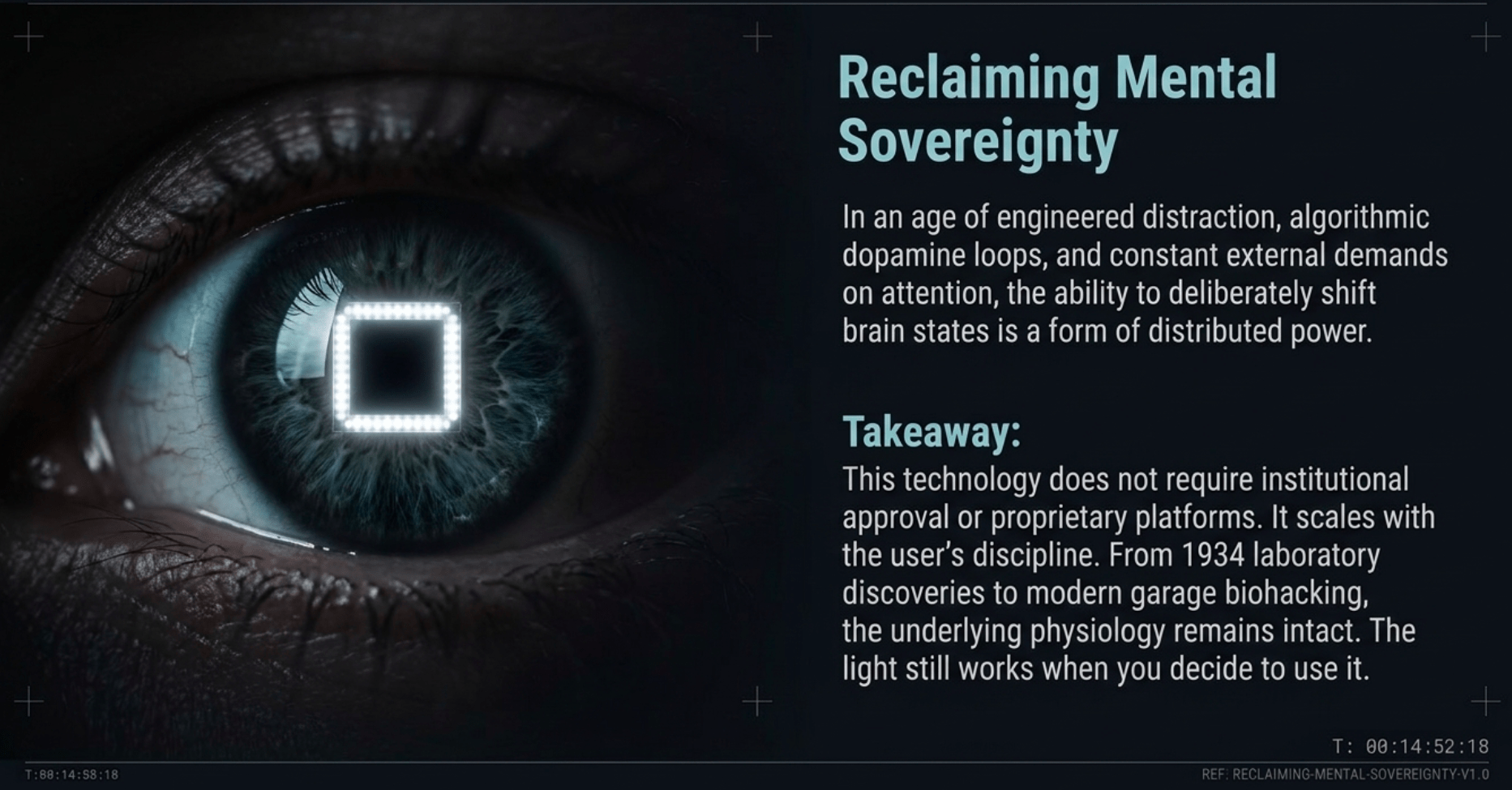
The massive secret is that this capability remains available to anyone willing to experiment carefully, iterate in their own garage or workspace, and treat it as training equipment rather than entertainment or salvation. In a world increasingly designed to capture and fragment attention, the quiet act of closing your eyes, letting precise light pulses guide your rhythms, and reclaiming directed mental states may be one of the most practical forms of resistance and preparation available. The machines from the 1990s proved the concept.
The versions built today prove it can be owned and improved indefinitely. The light still works when you decide to use it.
To continue this vital work documenting, analyzing, and sharing these hard-won lessons before we launch humanity’s greatest leap: I need your support. Independent research like this relies entirely on readers who believe in preparing wisely for our multi-planetary future. If this has ignited your imagination about what is possible, please consider donating at buy me a Coffee or becoming a member. Value for value you recieved here.
Every contribution helps sustain deeper fieldwork, upcoming articles, and the broader mission of translating my work to practical applications. Ain ‘t no large AI company supporting me, but you are, even if you just read this far. For this, I thank you.
Stay aware and stay curious,

🔐 Start: Exclusive Member-Only Content.
The rest of this article is for Multiplex members
You’ve reached the members-only part. Log in to keep reading right here, or join to unlock it.
- Full member-only articles: insights, wisdom and executive summaries
- The Multiplex members forum
- Member benefits and discounts
Already a member? You’ll come right back to this article after logging in. Forgot password?
Membership status: Not logged in
🔐 End: Exclusive Member-Only Content.
~—~
~—~

~—~
Subscribe ($99) or donate by Bitcoin.
Copy address: bc1qkufy0r5nttm6urw9vnm08sxval0h0r3xlf4v4x
Send your receipt to [email protected] to confirm subscription.

Stay updated: Get an email when we post new articles:

THE ENTIRETY OF THIS SITE IS UNDER COPYRIGHT. IMPORTANT: Any reproduction, copying, or redistribution, in whole or in part, is prohibited without written permission from the publisher. Information contained herein is obtained from sources believed to be reliable, but its accuracy cannot be guaranteed. We are not financial advisors, nor do we give personalized financial advice. The opinions expressed herein are those of the publisher and are subject to change without notice. It may become outdated, and there is no obligation to update any such information. Recommendations should be made only after consulting with your advisor and only after reviewing the prospectus or financial statements of any company in question. You shouldn’t make any decision based solely on what you read here. Postings here are intended for informational purposes only. The information provided here is not intended to be a substitute for professional medical advice, diagnosis, or treatment. Always seek the advice of your physician or other qualified healthcare provider with any questions you may have regarding a medical condition. Information here does not endorse any specific tests, products, procedures, opinions, or other information that may be mentioned on this site. Reliance on any information provided, employees, others appearing on this site at the invitation of this site, or other visitors to this site is solely at your own risk.
Copyright Notice:
All content on this website, including text, images, graphics, and other media, is the property of Read Multiplex or its respective owners and is protected by international copyright laws. We make every effort to ensure that all content used on this website is either original or used with proper permission and attribution when available.
However, if you believe that any content on this website infringes upon your copyright, please contact us immediately using our 'Reach Out' link in the menu. We will promptly remove any infringing material upon verification of your claim. Please note that we are not responsible for any copyright infringement that may occur as a result of user-generated content or third-party links on this website. Thank you for respecting our intellectual property rights.
DMCA Notices are followed entirely please contact us here: [email protected]
