The Field That Heals: Why Pulsed Electromagnetic Fields May Have Profound Benefits.
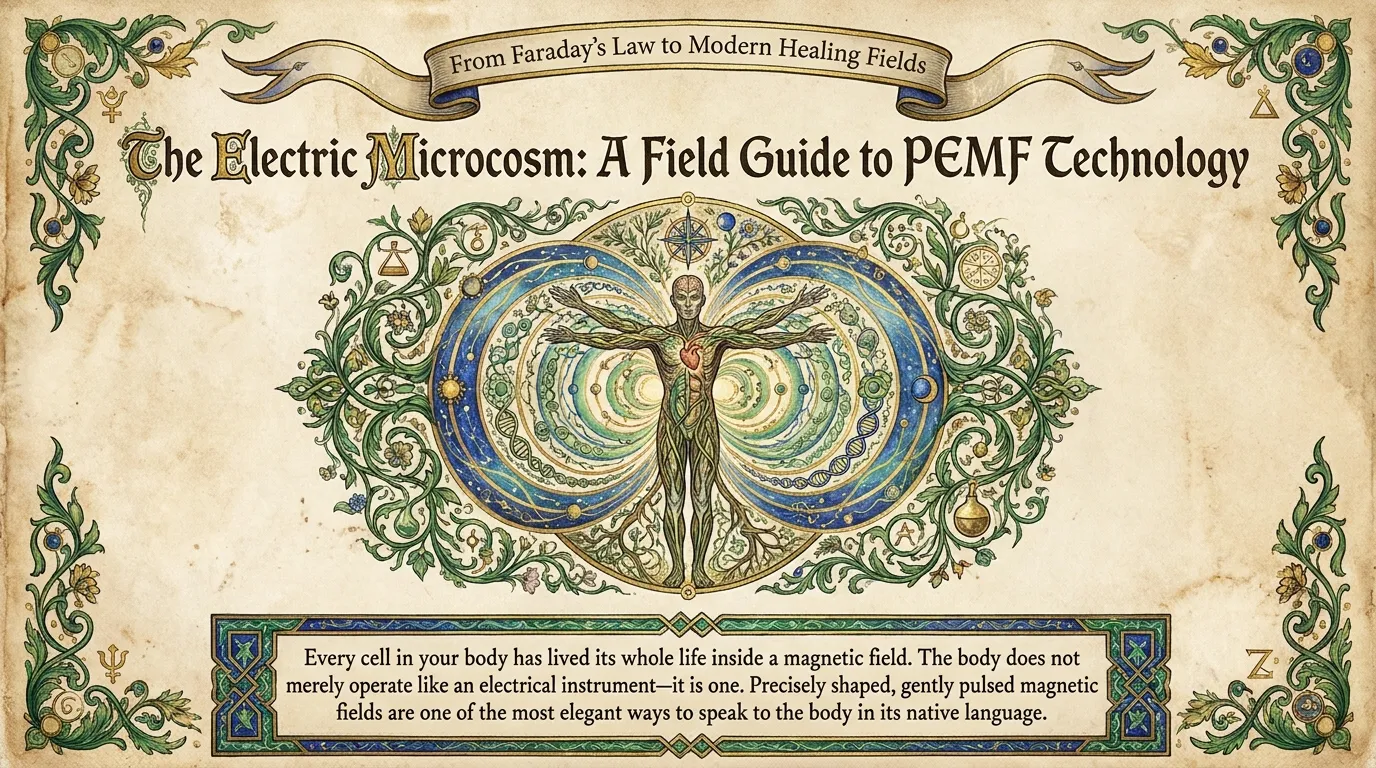
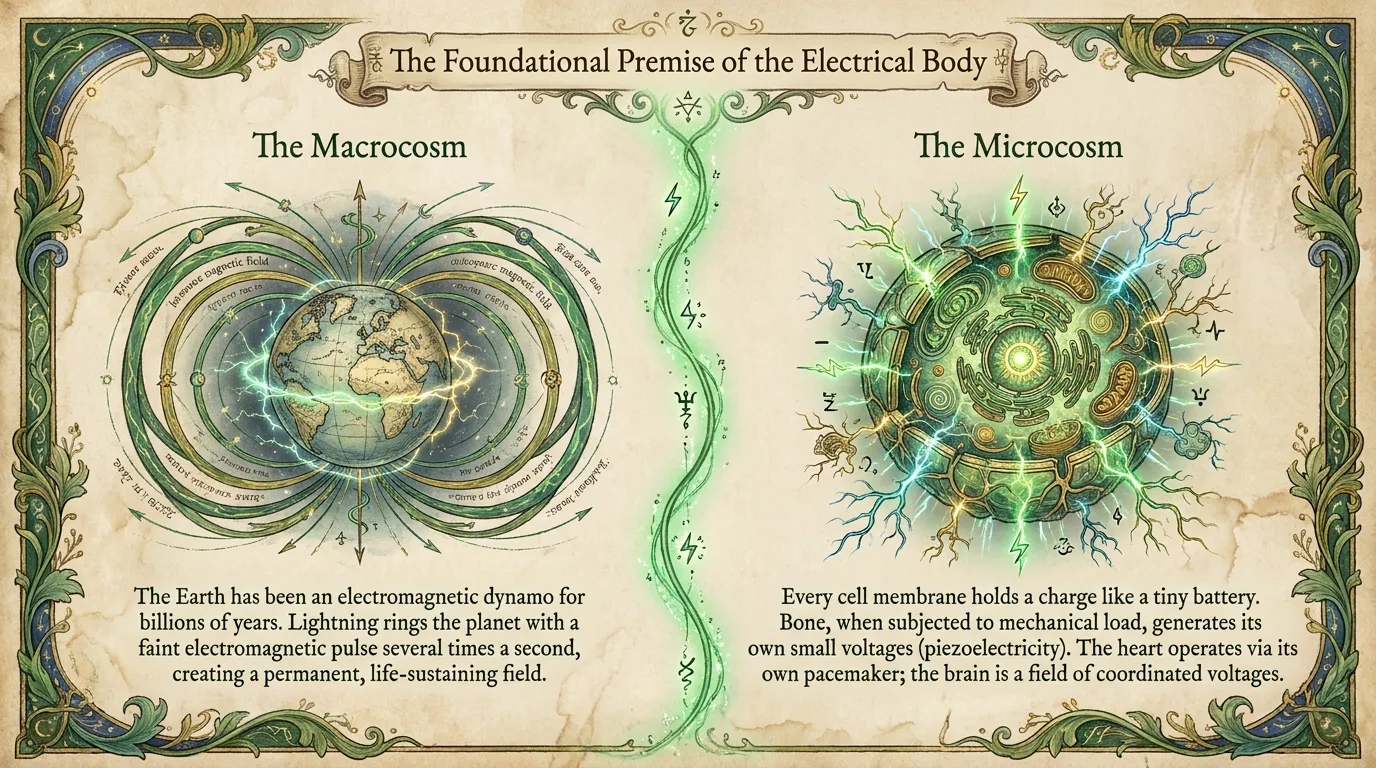
Every cell in your body has lived its whole life inside a magnetic field. The Earth is a dynamo, and it has been on for billions of years. Lightning rings the planet with a faint electromagnetic pulse several times a second. Bone, when you load it, makes its own small voltages. Every cell membrane holds a charge like a tiny battery. The body is not merely like an electrical instrument. It is one. And if that is true, then a precisely shaped, gently pulsed magnetic field, applied from the outside, may be one of the most elegant ways we have ever found to speak to the body in its own native language.
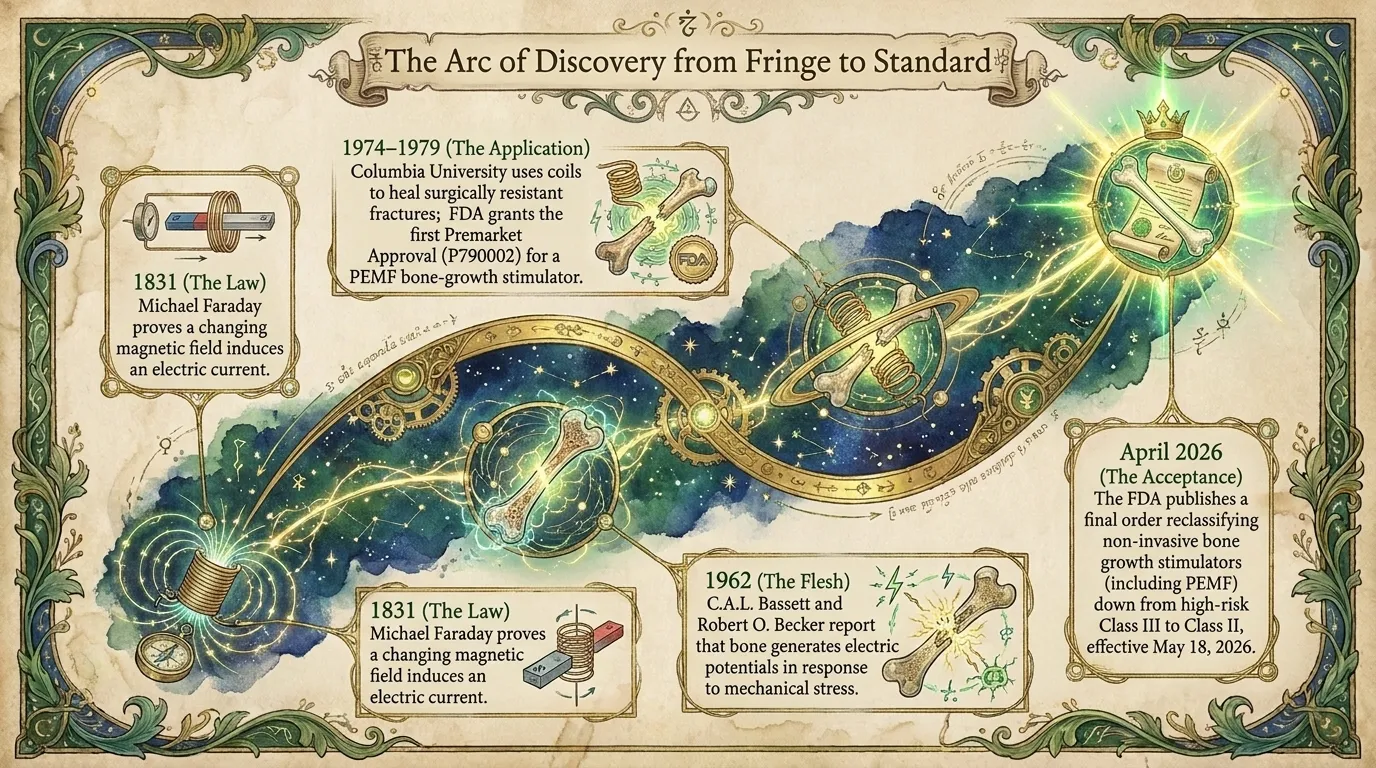
That is the premise of this article, and I want to be clear about it from the first paragraph: I believe pulsed electromagnetic field technology, PEMF, very well may have profound benefits for human health. Not because a brochure says so, but because the trail of evidence now runs from Michael Faraday’s bench in 1831, through Columbia University’s bone-healing coils, through a U.S. Food and Drug Administration approval in 1979, through decades of randomized trials and meta-analyses, to an FDA decision this very year that moved PEMF bone stimulators into a lower-risk device class. That is what a frontier technology looks like on its way from the margins to the mainstream.
It is also a story about doing it right. When a technology this powerful becomes popular, the marketplace fills with copies. Some of them are not worth your time, and a few of them are not worth your safety. So I will show you what the studies have found, what the best engineering looks like, why I think Swiss Bionic Solutions has set the standard for low-intensity, whole-body PEMF, and exactly what to watch for in the cheap mats that borrow the letters P, E, M, and F without the science behind them.
This article is sponsored by Read Multiplex Members who subscribe here to support my work: Link: https://readmultiplex.com/join-us-become-a-member/
It is also sponsored by many who have donated a “Cup of Coffee”. If you like this, help support my work: Link: https://ko-fi.com/brianroemmele
Listen to the companion podcast: https://rss.com/podcasts/readmultiplex-com-podcast/3334938
I have spent a lifetime thinking about fields. As a kid with a long wire strung in the trees and headphones on after dark, I learned that the natural world is electrically alive: lightning a thousand miles away, the whistles and crackle of the VLF band, the quiet persistence of the planet’s own magnetism. Later I learned the body is alive in the same way. The heart has its own pacemaker. The brain is a field of coordinated voltages. Ions move through channels in every cell membrane the way current moves through a switch. Once you see that picture, one question becomes unavoidable: can a magnetic field, applied from outside, do useful work inside?
The answer the research keeps returning is yes. This article is the sister to the ones I have written about earthing and about the Earth’s electromagnetic heartbeat. It is the map I wish I had been handed years ago.
Laughed At First: The Familiar Path of Every Frontier Technology
Nearly every frontier in medicine walks the same road. First it is dismissed. Then it is debated. Then it is quietly adopted, and a generation later people forget it was ever controversial. When Barry Marshall and Robin Warren argued that a bacterium, not stress, caused most stomach ulcers, they were met with deep doubt. In 2005 they received the Nobel Prize in Physiology or Medicine for it.
PEMF is on that road, and it is further along than most people realize. In 1977, C. Andrew L. Bassett and his colleagues at Columbia reported on 29 patients with fractures that would not heal. Seventeen of them had already failed surgery, and amputation had been recommended for each of those seventeen. Using pulsing electromagnetic fields from coils outside the body, the team reported an overall success rate above 70 percent and wrote that the indications for amputation should be reassessed (PubMed 598067). Think about what that meant to those patients. In 1979 the FDA approved the first PEMF bone-growth stimulator (FDA PMA P790002). In 1981 Bassett’s group reported an 87 percent healing rate in 127 ununited tibial fractures treated with PEMF alone (PubMed 7217117). In 2004 the FDA approved a PEMF stimulator as an adjunct to cervical spine fusion (FDA PMA P030034).
And then, this year, the next milestone. On April 16, 2026, the FDA published a final order reclassifying non-invasive bone growth stimulators, PEMF among them, from Class III, the highest-risk category, to Class II, effective May 18, 2026 (Federal Register, 2026). The agency wrote that it expects the change to let more manufacturers develop these devices so patients benefit from increased access. When a regulator moves a technology down a risk class after more than four decades of experience, that is not the sound of a fringe idea. That is the sound of acceptance.
The Science First: Faraday’s Law in Living Tissue
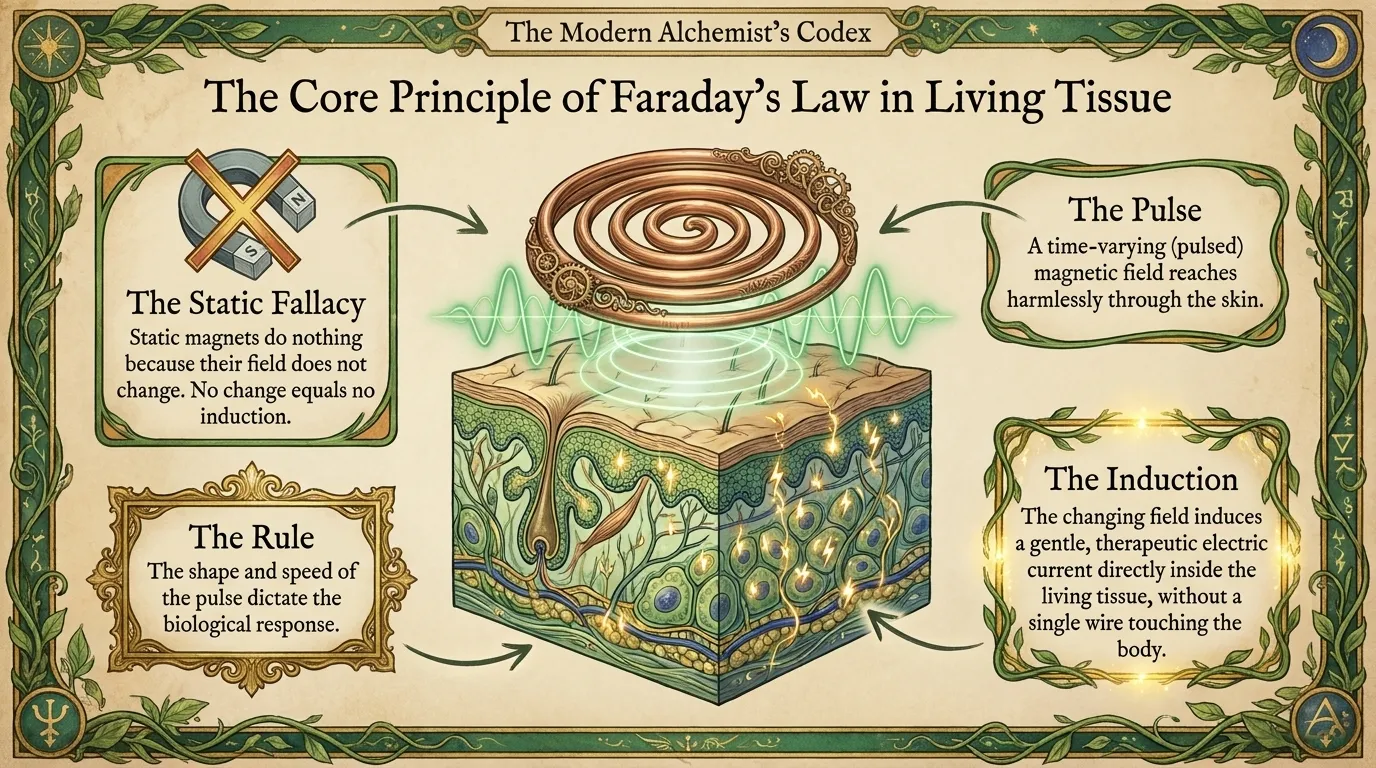
In 1831, Michael Faraday showed that a changing magnetic field induces an electric current in a conductor (DOI 10.1098/rstl.1832.0006). That is the principle behind every generator on Earth. It is also the reason a coil can deliver a gentle current into living tissue without a single wire touching the skin. A static magnet does not do this, because its field does not change. A pulsed field does, and the shape of the pulse matters enormously.
In 1957, Eiichi Fukada and Iwao Yasuda showed that bone is piezoelectric: bend it and it generates a voltage (DOI 10.1143/jpsj.12.1158). In 1962, Bassett and Robert O. Becker reported that bone generates electric potentials in response to mechanical stress (DOI 10.1126/science.137.3535.1063). In 1974, Bassett, Pawluk, and Pilla published in Science that inductively coupled electromagnetic fields augmented bone repair (DOI 10.1126/science.184.4136.575). The body, it turns out, uses electricity to tell itself where to build.
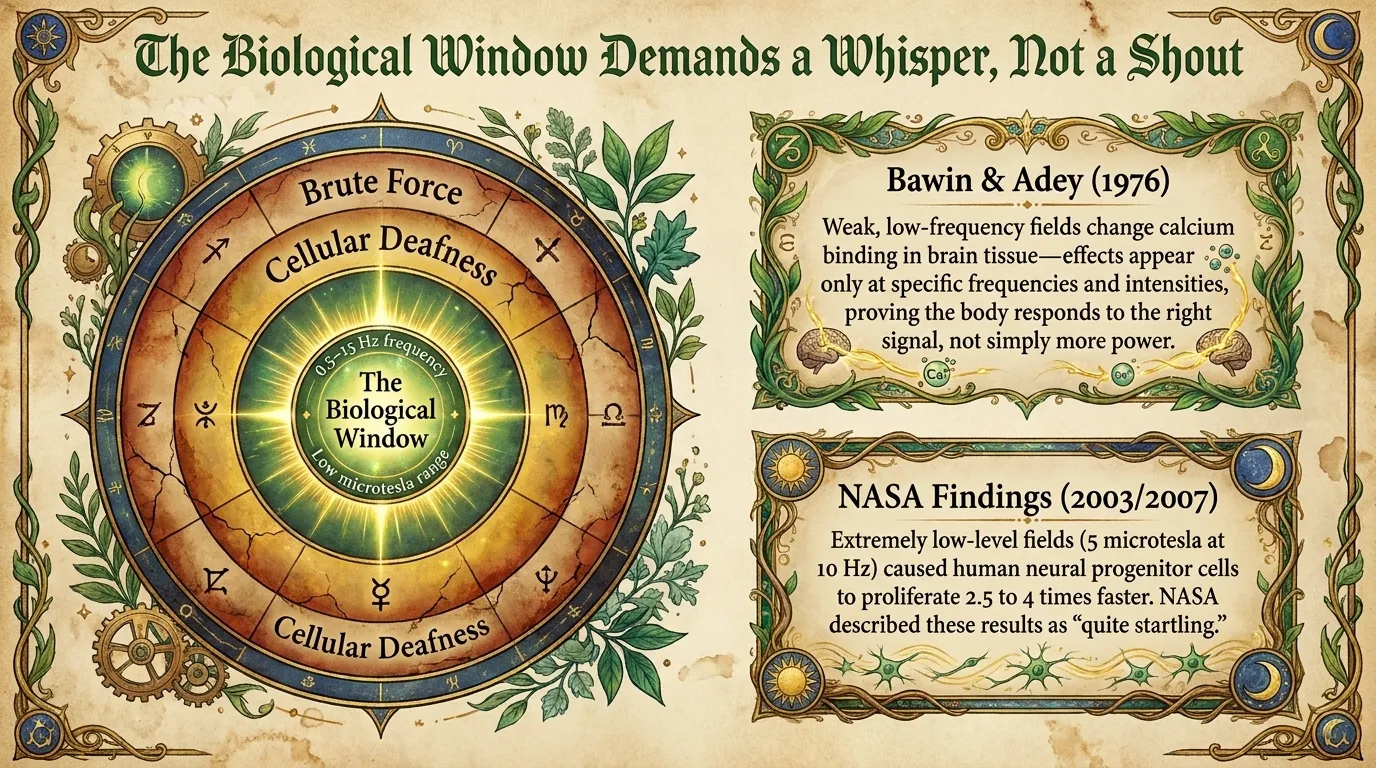
In 1976, Suzanne Bawin and W. Ross Adey published a landmark paper in the Proceedings of the National Academy of Sciences showing that weak, low-frequency fields changed calcium binding in brain tissue, with effects appearing at certain frequencies and intensities and not others (DOI 10.1073/pnas.73.6.1999). That work gave us the idea of a “biological window”: the body does not simply respond to more power. It responds to the right signal. This principle is at the very center of how Swiss Bionic designs its systems.
Even NASA took note. A 2003 NASA Technical Paper by Thomas J. Goodwin reported that human neural progenitor cells grown in a time-varying electromagnetic field proliferated 2.5 to 4 times faster than unexposed cells, with broad changes in gene expression (NASA/TP-2003-212054). A follow-on NASA project described the initial results with extremely low-level fields, 5 microtesla at 10 Hz, as “quite startling” (NASA NTRS 20070004785). These were cell studies, not clinical trials, but they point in a striking direction: gentle fields, correctly shaped, may matter more than brute strength.
How It May Work: Mechanisms Researchers Can Name
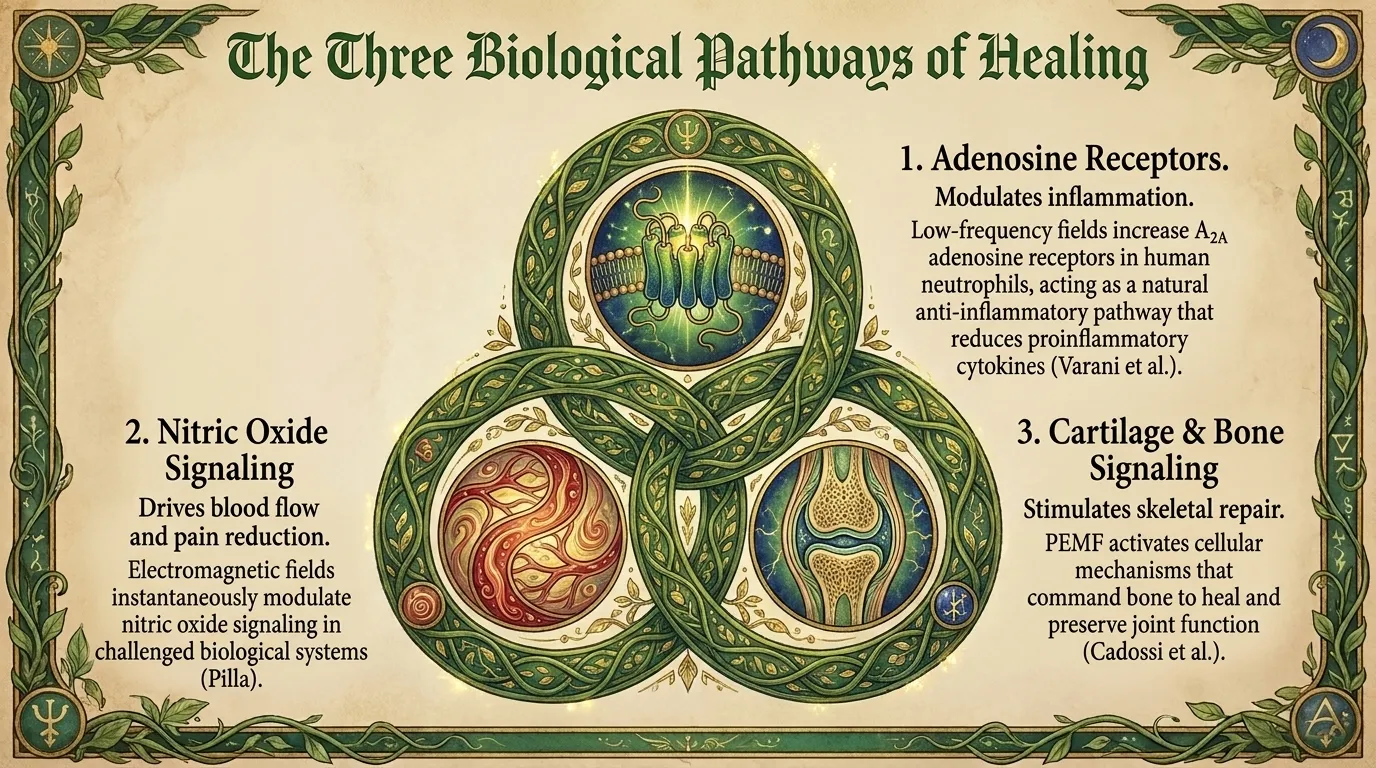
We no longer have to wave our hands about why PEMF might help. Researchers have identified specific biological pathways:
- Adenosine receptors and inflammation. Varani and colleagues found that low-frequency electromagnetic fields increased the number of A2A adenosine receptors in human neutrophils, a natural anti-inflammatory pathway (DOI 10.1038/sj.bjp.0704695). Their 2017 review describes PEMF acting as a modulator of adenosine, reducing most proinflammatory cytokines in the studies reviewed (DOI 10.1155/2017/2740963).
- Nitric oxide signaling. Arthur Pilla, who worked alongside Bassett, showed that electromagnetic fields can instantaneously modulate nitric oxide signaling in challenged biological systems, a pathway tied to blood flow, pain, and healing (DOI 10.1016/j.bbrc.2012.08.078).
- Bone and cartilage signaling. A 2020 review in JAAOS Global Research and Reviews by Cadossi and colleagues mapped the cellular mechanisms by which PEMF stimulates bone healing and supports joint preservation (DOI 10.5435/JAAOSGlobal-D-19-00155).
What the Studies Have Found
Here is the evidence, area by area. I have opened every one of these papers myself, and I describe each one as what the researchers found.
Bone healing: the foundation
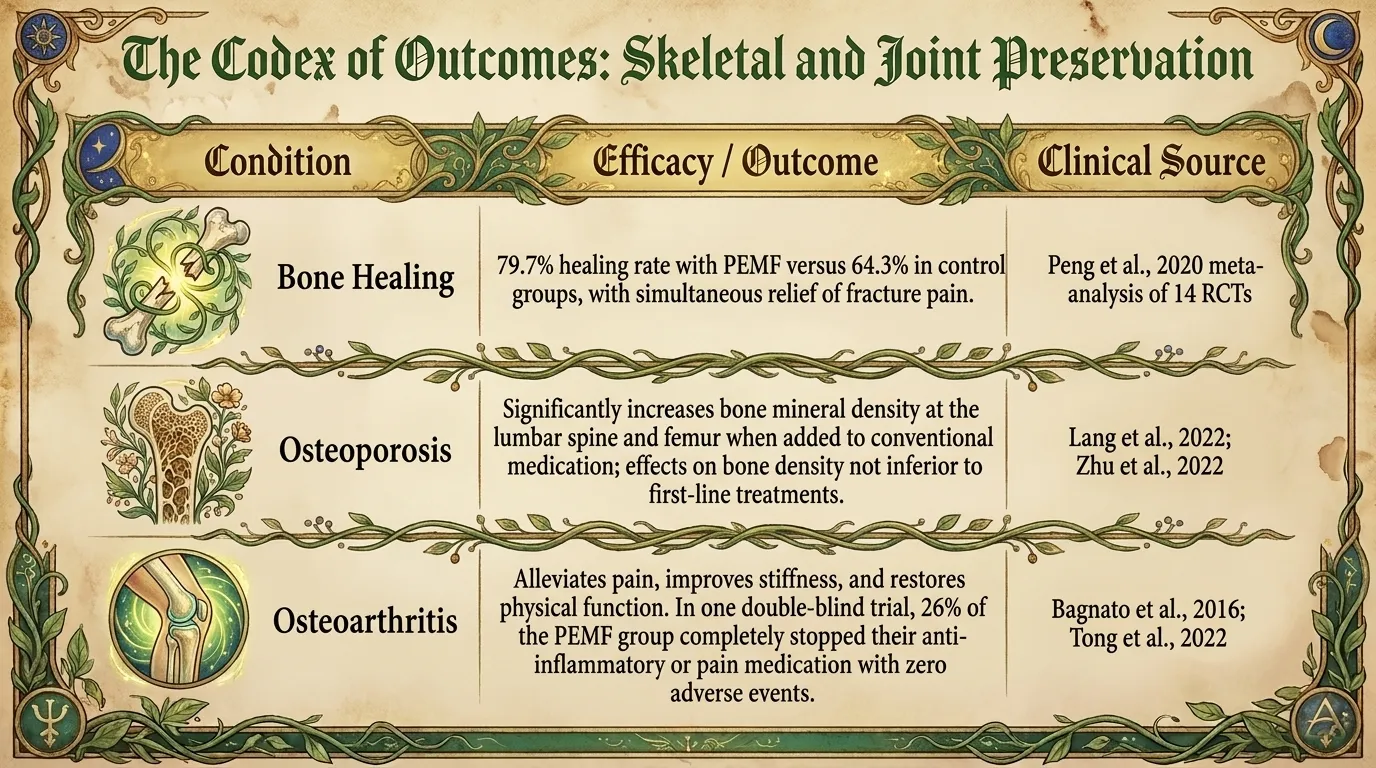
- A 2020 systematic review and meta-analysis of 14 randomized controlled trials with 1,131 participants found a healing rate of 79.7 percent with PEMF versus 64.3 percent in controls. PEMF also relieved fracture pain, with moderate-quality evidence for both (Peng et al., Bioelectromagnetics, DOI 10.1002/bem.22271).
- A prospective randomized trial in delayed union of long-bone fractures found a 77.4 percent success rate with early PEMF versus 48.1 percent in controls (Shi et al., BMC Musculoskeletal Disorders 2013, DOI 10.1186/1471-2474-14-35).
- In tibial delayed unions and non-unions, a prospective clinical study reported union in 77.3 percent of cases with PEMF, regardless of age, smoking, diabetes, or fracture type (Assiotis et al., 2012, DOI 10.1186/1749-799X-7-24).
- In the first randomized controlled trial of PEMF for cervical fusion, the PEMF group had a significantly higher fusion rate at six months, 83.6 percent versus 68.6 percent (Foley et al., The Spine Journal 2008, DOI 10.1016/j.spinee.2007.06.006).
- A Cochrane review concluded that the available evidence suggests electromagnetic stimulation may offer some benefit for delayed union and non-union, and called for more well-conducted trials (Griffin et al., 2011, DOI 10.1002/14651858.CD008471.pub2).
Bone density and osteoporosis
- As early as 1990, a study of osteoporosis-prone women found that bone density in the forearm increased significantly in the area of the field during 12 weeks of PEMF exposure, and the authors suggested properly applied PEMF may have clinical application in prevention and treatment of osteoporosis (Tabrah et al., Journal of Bone and Mineral Research, DOI 10.1002/jbmr.5650050504).
- A 2022 meta-analysis of randomized trials in postmenopausal osteoporosis found that PEMF added to conventional medication significantly increased bone mineral density at the lumbar spine and femur and relieved pain, and concluded PEMF can be considered a potentially effective complementary therapy (Lang et al., Bioelectromagnetics, DOI 10.1002/bem.22419).
- A second 2022 meta-analysis found PEMF had effects on bone density not inferior to first-line treatment and better than placebo on balance in older adults with primary osteoporosis (Zhu et al., IEEE Transactions on Neural Systems and Rehabilitation Engineering, DOI 10.1109/TNSRE.2022.3149483).
Osteoarthritis: pain, stiffness, and function
- A 2020 meta-analysis in Physical Therapy of 16 studies found that, compared with placebo, PEMF had a beneficial effect on pain, stiffness, and physical function in osteoarthritis, with clinically significant effects on pain (Yang et al., DOI 10.1093/ptj/pzaa054).
- A 2022 meta-analysis of 11 randomized trials with 614 patients found PEMF alleviated pain, improved stiffness, and restored physical function in osteoarthritis (Tong et al., Pain Research and Management, DOI 10.1155/2022/9939891).
- In a double-blind, placebo-controlled trial of a wearable PEMF device in knee osteoarthritis, pain dropped significantly versus placebo, and 26 percent of the PEMF group stopped their anti-inflammatory or pain medication. No adverse events were detected (Bagnato et al., Rheumatology 2016, DOI 10.1093/rheumatology/kev426).
- A 2025 double-blind trial in older adults found that PEMF added to exercise gave superior pain relief at four months compared with sham PEMF plus exercise, along with less stiffness and better function (Comino-Suárez et al., Journal of Geriatric Physical Therapy, DOI 10.1519/JPT.0000000000000444).
- An earlier meta-analysis found PEMF improved clinical scores and function in knee osteoarthritis and concluded it should be considered as an adjuvant therapy (Vavken et al., Journal of Rehabilitation Medicine 2009, DOI 10.2340/16501977-0374).
Back pain, fibromyalgia, and musculoskeletal pain
- In a randomized, double-blind, placebo-controlled study of chronic lower back pain, PEMF reduced pain and disability (Lee et al., Journal of International Medical Research 2006, DOI 10.1177/147323000603400205).
- A systematic review of randomized trials found a clear tendency toward pain reduction favoring PEMF in low back pain, reaching a minimal clinically important difference (Andrade et al., Porto Biomedical Journal 2016, DOI 10.1016/j.pbj.2016.09.001).
- A 2020 systematic review of 21 randomized trials found that low-intensity, low-frequency pulsed magnetic fields, from 1 to 100 Hz, are commonly used with efficacy in musculoskeletal pain and are well tolerated (Paolucci et al., Journal of Pain Research, DOI 10.2147/JPR.S231778).
- In a randomized, double-blind, sham-controlled study in fibromyalgia, low-frequency PEMF was associated with improvements in function, pain, fatigue, and global status (Sutbeyaz et al., Clinical Journal of Pain 2009, DOI 10.1097/AJP.0b013e3181a68a6c).
Surgery, swelling, and wound healing
- In a double-blind randomized pilot in breast augmentation patients, pain in the PEMF group fell nearly three times faster than in the sham group by day three, and pain medication use fell correspondingly (Hedén and Pilla, Aesthetic Plastic Surgery 2008, DOI 10.1007/s00266-008-9169-z).
- In TRAM flap breast reconstruction, a double-blind, placebo-controlled study found sham patients had up to four-fold higher pain, twice the narcotic use, and five-fold higher interleukin-1β, an inflammatory marker, in wound fluid (Rohde et al., Plastic and Reconstructive Surgery 2015, DOI 10.1097/PRS.0000000000001152).
- A review in Aesthetic Surgery Journal described PEMF as a powerful tool with no known side effects for managing postoperative pain and swelling, and noted its use in chronic wounds and in supporting new blood-vessel growth (Strauch et al., 2009, DOI 10.1016/j.asj.2009.02.001).
Sleep, energy, and circulation
- In a four-week, double-blind, placebo-controlled study of 101 people with insomnia, 70 percent of the active-treatment group reported substantial or even complete relief, compared with 2 percent very clear relief on placebo. No adverse effects were reported (Pelka et al., Advances in Therapy 2001, DOI 10.1007/BF02850111).
- A 2025 randomized pilot in post-COVID-19 fatigue found improvements in walking distance, fatigue, insomnia, mood, and work ability with PEMF, with very good adherence (Keilani et al., Wiener klinische Wochenschrift, DOI 10.1007/s00508-025-02522-w).
- A randomized controlled trial found PEMF produced significantly greater increases in blood-flow velocity in the smallest observable veins than sham, in people with and without diabetes (Sun et al., Bioelectromagnetics 2016, DOI 10.1002/bem.21983).
A cousin technology: magnetic stimulation of the brain
Transcranial magnetic stimulation, TMS, uses the same Faraday principle at far higher intensity, in a clinic, aimed at the brain. It is a different tool from a whole-body mat, but it shows how far pulsed magnetics have already come. A multisite randomized trial found TMS effective for major depression with minimal side effects (O’Reardon et al., Biological Psychiatry 2007, DOI 10.1016/j.biopsych.2007.01.018), a second sham-controlled trial confirmed meaningful effects (DOI 10.1001/archgenpsychiatry.2010.46), and the FDA cleared the NeuroStar TMS system in October 2008 (FDA DEN070003).
Swiss Bionic Solutions: The Standard for Low-Intensity, Whole-Body PEMF
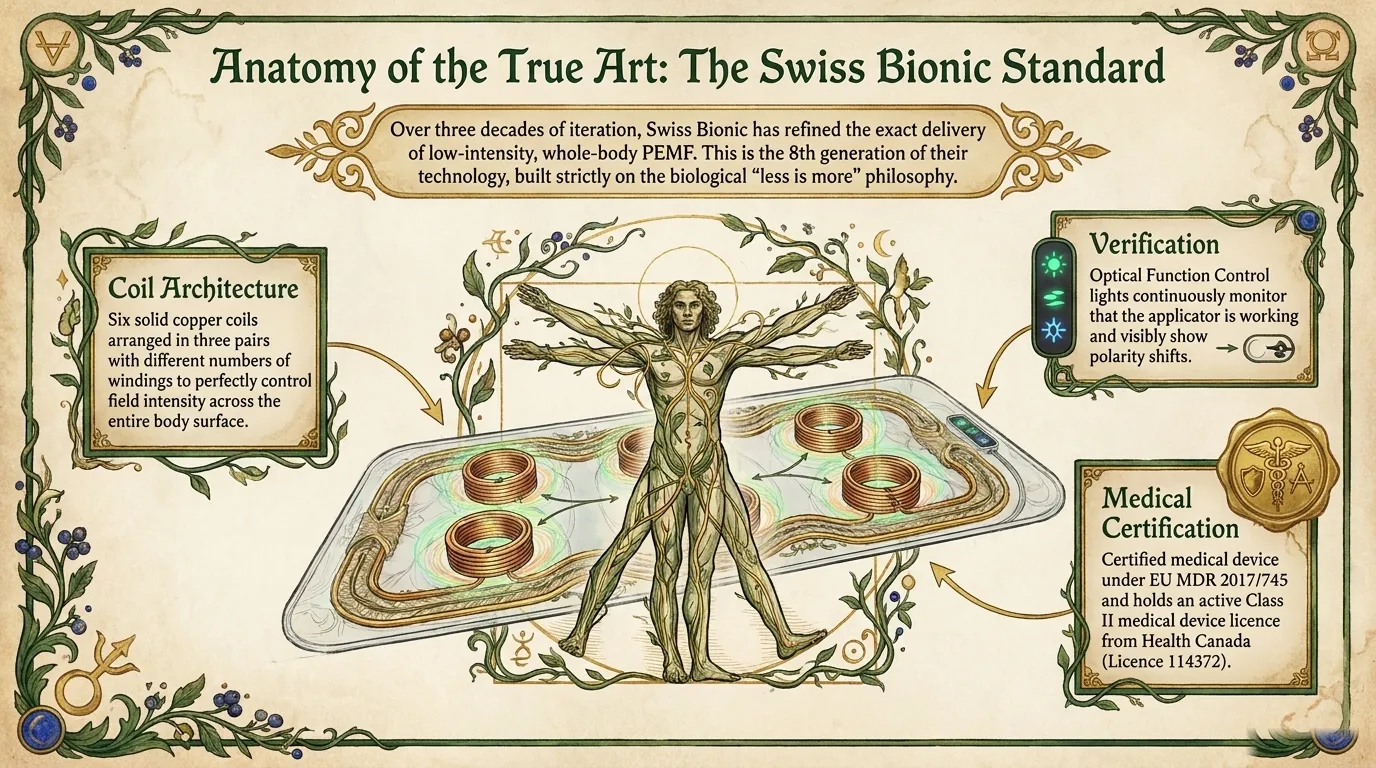
If the research tells us anything, it is that the signal matters: the waveform, the frequency, the intensity, the timing, and the quality of the coils that deliver it. That is why I look to Swiss Bionic Solutions. The company traces its line back to the MRS 2000 in 1995, and its current iMRS prime is, in its own words, the eighth generation of its PEMF systems, alongside the portable Omnium1. Three decades of iteration on one problem is rare in this field. Here is what they build, described from Swiss Bionic’s own technical pages:
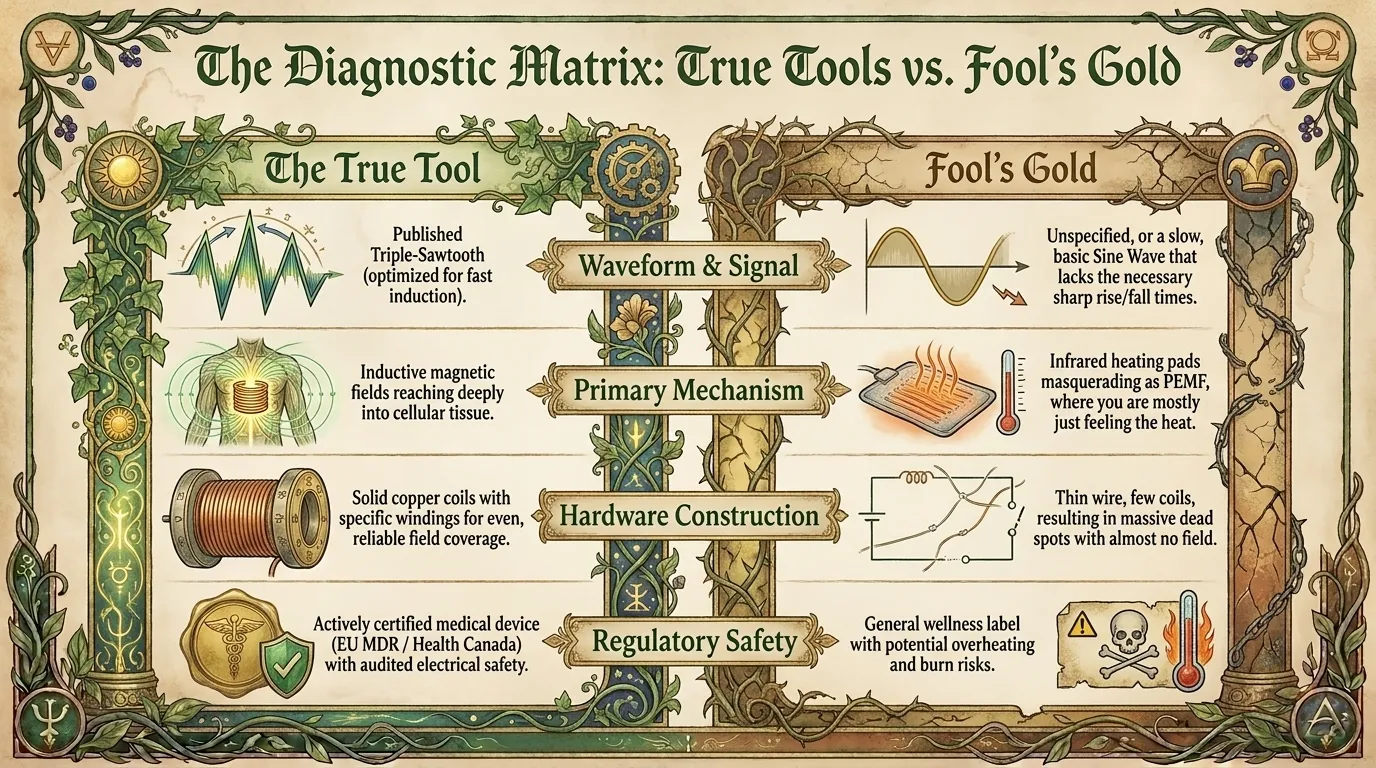
- Waveform. The whole-body mats use a triple-sawtooth waveform, a composite of many harmonious, non-sinusoidal low-frequency waves. Swiss Bionic emphasizes rise and fall time as perhaps the most important parameter of the signal, and the sawtooth’s abrupt fall creates far sharper changes than a simple sine wave. That is Faraday’s law put to work: the faster the field changes, the more it induces. The local Pad and Spot applicators use a square wave.
- Frequency. The whole-body mat delivers a carrier frequency range between 0.5 and 15 Hz, inside what Adey called the biological window and in the neighborhood of the Earth’s own Schumann resonance at about 7.83 Hz.
- Intensity. Swiss Bionic deliberately works in the low microtesla range. On the Omnium1, the OmniMat is specified at a maximum of 45 microtesla, the OmniPad 70 microtesla, and the OmniSpot 120 microtesla. Their philosophy is “less is more,” a gentle whisper rather than a shout, in line with the biological-window research and the NASA findings at 5 microtesla.
- Timing and rhythm. Whole-body programs are short, 8 to 24 minutes, with polarity reversed every two minutes to prevent the body from adapting to the signal. Programs are also adjusted for the time of day, following circadian rhythms.
- Build quality. The iMRS prime Exagon mat uses six solid copper coils arranged in three pairs with different numbers of windings to control field intensity across the whole surface. Each Exagon applicator has an Optical Function Control light that continuously monitors that the applicator is working and shows the polarity shifts. The outer material is described as biocompatible and the fabric breathable and easy to clean.
- Feedback. An optional sensor reads pulse-related signals from the skin, including SpO2 and heart-rate variability, and can adjust intensity during a session.
- Certification. Swiss Bionic states that its iMRS prime and Omnium1 systems are certified medical devices under the EU Medical Device Regulation 2017/745, and that it is a certified medical device manufacturer under ISO 13485:2018, including MDSAP. In Canada, Health Canada lists an active Class II medical device licence for the iMRS prime system, first issued November 25, 2025, covering the control unit, connector box, and the Exagon Mat, FIR, Pad, and Spot applicators (Health Canada MDALL). Swiss Bionic itself notes that the intended use can differ from country to country.
This is what a standard looks like: a published waveform, a published frequency range, published intensities for each applicator, a coil design built for even coverage, an indicator that tells you the device is actually working, medical device certification, and three decades of refinement. You can hold any other mat up against that list.
The Cheap Mats: What to Watch For So You Get the Real Benefits
This is the one section where I am going to be blunt, because I want you to get the benefits this technology may offer, not a knockoff that gets in the way. The popularity of PEMF has created a flood of inexpensive mats sold online. Here is what to watch for:
- No published waveform or intensity. If a listing will not tell you the waveform, the frequency range, and the field strength in microtesla or gauss at the surface, you have no way to know what, if anything, you are getting. The research above was done with specified signals. An unspecified signal is not the same intervention.
- Simple sine waves sold as advanced PEMF. Many low-cost mats run a basic 7.83 Hz sine wave. Matching a famous number is not the same as matching a well-designed signal. The rise and fall time, which Swiss Bionic and the bone-healing pioneers both emphasize, is exactly what a slow sine wave lacks.
- Heat doing the work. Many cheap mats are really infrared heating pads with a coil added. The warmth is what you feel. There is nothing wrong with warmth, but it is not PEMF, and heating products carry burn risks of their own, especially if you fall asleep on one.
- No device-specific research. The studies in this article were done with defined devices and protocols. A cheap mat that cites “thousands of PEMF studies” is borrowing research it never took part in.
- No medical device registration. For FDA-regulated bone growth stimulators, the special controls now written into 21 CFR 890.5870 require clinical data, proof that the intended outputs are actually delivered to the patient, thermal safety, signal characteristics within safe physiologic limits, reliability over the device’s life, biocompatible materials, and electrical safety and electromagnetic compatibility testing. That is the bar for a medical PEMF device. Products sold as general wellness products do not go through that review and are not supposed to make disease claims.
- Inconsistent output and cheap coils. Thin wire, few coils, and uneven placement can leave large parts of a mat with almost no field, and with no function indicator you will never know. A low-cost gauss meter, below, will often tell the story in thirty seconds.
- Overheating and poor build. Low-grade electronics, heating elements, and thin insulation are where safety problems begin. Look for real electrical safety certification marks from a recognized testing lab, not just a sticker.
- Claims that are too good. Any seller promising to cure disease is telling you more about the seller than about the science. The real research is exciting enough without it. The FDA has issued warning letters to sellers of electromagnetic “healing” devices marketed without clearance, including one in 2023 (FDA warning letter, Tesla BioHealing, 2023).
- No support. If there is no manufacturer you can reach, no warranty, and no service plan, the mat is disposable. Swiss Bionic, by contrast, offers warranty extensions with an exchange program and a full-service onboarding package for the iMRS prime.
A 2012 systematic review of whole-body PEMF devices noted that published mat trials used fields from 3.4 to 200 microtesla and called for more high-quality, double-blind trials (Hug and Röösli, Bioelectromagnetics, DOI 10.1002/bem.20703). That is exactly why specification matters. The future of this field belongs to devices that publish their signal and stand behind it.

How to Begin Wisely
- Start with the free things that work with your body’s electrical design: time outdoors, sunlight, movement that loads your bones, and good sleep.
- Learn the four numbers that define any PEMF device: waveform, frequency, intensity, and session timing. If a seller cannot give you all four, keep looking.
- Choose a device built to a standard: published specifications, medical device certification, real coils, and a manufacturer who will answer the phone.
- Keep a simple journal of sleep, energy, and comfort for the first month. It is the best way to see what the technology does for you.
This article is for education and is not medical advice or a substitute for medical care. Talk with your doctor before starting PEMF, especially if you have a pacemaker or other implanted device, or are pregnant.
The Gear: My Amazon List and Why
You do not have to buy anything to start. The Earth’s field is already on. If you want to see what is in your home, check whether a mat or coil is producing a real field, or read the pioneers who built this science, here is my short list.
As an Amazon Associate I earn from qualifying purchases. It costs you nothing extra and helps support this work.

Measure first
- TF2 EMF Pollution Meter. Why: a well-regarded meter for the magnetic, electric, and radio-frequency fields that fill a modern house, so you can see what is already around the place where you sleep or relax.
- 8103 Gauss / Tesla Meter with transverse probe. Why: this is how you check a cheap mat in thirty seconds. Place the probe on the surface, note the peak reading, then move across the mat. If the field is missing or wildly uneven, you know what you bought.
The standard
- Swiss Bionic iMRS prime and Swiss Bionic Omnium1. Why: published waveform, frequency, and intensity, solid copper coils with function monitoring, medical device certification, and three decades of development. Swiss Bionic sells through trained local consultants, and its site will connect you with one.
Read deeper
- The Body Electric, by Robert O. Becker and Gary Selden. Why: Becker was in the room when bone electricity became a modern research field. This is the book that will change how you see your own body.
- Cross Currents, by Robert O. Becker. Why: the later book, on electromedicine and the electromagnetic environment, from the same surgeon-scientist.
The Abundance Reading
We did not invent magnetism, and we did not invent the fact that bone talks in voltages. We inherited a planet with a field, a body that heals and remodels in response to electrical signals, and a law Faraday wrote down almost two hundred years ago. What we are inventing now is the precision: the right waveform, the right window, the right dose, delivered by devices built to last. The bone-healing coil went from “experimental” to an FDA approval to a lower-risk device class in one working lifetime. I believe the rest of this field is on the same path.
The future I see is one where gentle, well-designed fields are part of everyday recovery, sleep, and healthy aging, the way exercise and sunlight already are. We are early. That is the most exciting place to be.
Primary Sources
- Faraday M. Experimental researches in electricity. Philos. Trans. R. Soc. Lond. 1832. DOI 10.1098/rstl.1832.0006
- Fukada E, Yasuda I. On the piezoelectric effect of bone. J. Phys. Soc. Jpn. 1957. DOI 10.1143/jpsj.12.1158
- Bassett CA, Becker RO. Generation of electric potentials by bone in response to mechanical stress. Science 1962. DOI 10.1126/science.137.3535.1063
- Bassett CA, Pawluk RJ, Pilla AA. Augmentation of bone repair by inductively coupled electromagnetic fields. Science 1974. DOI 10.1126/science.184.4136.575
- Bawin SM, Adey WR. Sensitivity of calcium binding in cerebral tissue to weak environmental electric fields oscillating at low frequency. PNAS 1976. DOI 10.1073/pnas.73.6.1999
- Bassett CA, Pilla AA, Pawluk RJ. A non-operative salvage of surgically-resistant pseudarthroses and non-unions by pulsing electromagnetic fields. Clin Orthop Relat Res 1977. PubMed 598067
- Bassett CA, Mitchell SN, Gaston SR. Treatment of ununited tibial diaphyseal fractures with pulsing electromagnetic fields. J Bone Joint Surg Am 1981. PubMed 7217117
- U.S. FDA. Premarket approval P790002, non-invasive bone growth stimulator, 1979. FDA PMA database
- U.S. FDA. Premarket approval P850007, non-invasive bone growth stimulator, 1986. FDA PMA database
- U.S. FDA. Premarket approval P030034, Cervical-Stim cervical fusion system, 2004. FDA PMA database
- U.S. FDA. Physical Medicine Devices; Reclassification of Non-Invasive Bone Growth Stimulators. Final order, April 16, 2026. Federal Register
- 21 CFR 890.5870, Non-invasive bone growth stimulator. eCFR
- Goodwin TJ. Physiological and molecular genetic effects of time-varying electromagnetic fields on human neuronal cells. NASA/TP-2003-212054. NASA NTRS
- Goodwin TJ. An optimization of pulsed electromagnetic fields study. NASA, 2006. NASA NTRS
- Varani K, et al. Effect of low frequency electromagnetic fields on A2A adenosine receptors in human neutrophils. Br J Pharmacol 2002. DOI 10.1038/sj.bjp.0704695
- Varani K, et al. Adenosine receptors as a biological pathway for the anti-inflammatory and beneficial effects of low frequency low energy pulsed electromagnetic fields. Mediators Inflamm 2017. DOI 10.1155/2017/2740963
- Pilla AA. Electromagnetic fields instantaneously modulate nitric oxide signaling in challenged biological systems. Biochem Biophys Res Commun 2012. DOI 10.1016/j.bbrc.2012.08.078
- Cadossi R, et al. Pulsed electromagnetic field stimulation of bone healing and joint preservation: cellular mechanisms of skeletal response. JAAOS Glob Res Rev 2020. DOI 10.5435/JAAOSGlobal-D-19-00155
- Peng L, et al. Effectiveness of pulsed electromagnetic fields on bone healing: a systematic review and meta-analysis of randomized controlled trials. Bioelectromagnetics 2020. DOI 10.1002/bem.22271
- Shi HF, et al. Early application of pulsed electromagnetic field in the treatment of postoperative delayed union of long-bone fractures. BMC Musculoskelet Disord 2013. DOI 10.1186/1471-2474-14-35
- Assiotis A, et al. Pulsed electromagnetic fields for the treatment of tibial delayed unions and nonunions. J Orthop Surg Res 2012. DOI 10.1186/1749-799X-7-24
- Foley KT, et al. Randomized, prospective, and controlled clinical trial of pulsed electromagnetic field stimulation for cervical fusion. Spine J 2008. DOI 10.1016/j.spinee.2007.06.006
- Griffin XL, et al. Electromagnetic field stimulation for treating delayed union or non-union of long bone fractures in adults. Cochrane Database Syst Rev 2011. DOI 10.1002/14651858.CD008471.pub2
- Tabrah F, et al. Bone density changes in osteoporosis-prone women exposed to pulsed electromagnetic fields. J Bone Miner Res 1990. DOI 10.1002/jbmr.5650050504
- Lang S, et al. Pulse electromagnetic field for treating postmenopausal osteoporosis: a systematic review and meta-analysis. Bioelectromagnetics 2022. DOI 10.1002/bem.22419
- Zhu S, et al. Pulsed electromagnetic fields may be effective for the management of primary osteoporosis. IEEE Trans Neural Syst Rehabil Eng 2022. DOI 10.1109/TNSRE.2022.3149483
- Yang X, et al. Effects of PEMF therapy on pain, stiffness, physical function, and quality of life in patients with osteoarthritis. Phys Ther 2020. DOI 10.1093/ptj/pzaa054
- Tong J, et al. The efficacy of pulsed electromagnetic fields on pain, stiffness, and physical function in osteoarthritis. Pain Res Manag 2022. DOI 10.1155/2022/9939891
- Bagnato GL, et al. Pulsed electromagnetic fields in knee osteoarthritis: a double blind, placebo-controlled, randomized clinical trial. Rheumatology 2016. DOI 10.1093/rheumatology/kev426
- Comino-Suárez N, et al. Effect of pulsed electromagnetic field and microwave therapy on pain and physical function in older adults with knee osteoarthritis. J Geriatr Phys Ther 2025. DOI 10.1519/JPT.0000000000000444
- Vavken P, et al. Effectiveness of PEMF therapy in the management of osteoarthritis of the knee: a meta-analysis. J Rehabil Med 2009. DOI 10.2340/16501977-0374
- Lee PB, et al. Efficacy of pulsed electromagnetic therapy for chronic lower back pain. J Int Med Res 2006. DOI 10.1177/147323000603400205
- Andrade R, et al. Pulsed electromagnetic field therapy effectiveness in low back pain: a systematic review of randomized controlled trials. Porto Biomed J 2016. DOI 10.1016/j.pbj.2016.09.001
- Paolucci T, et al. Electromagnetic field therapy: a rehabilitative perspective in the management of musculoskeletal pain. J Pain Res 2020. DOI 10.2147/JPR.S231778
- Sutbeyaz ST, et al. Low-frequency pulsed electromagnetic field therapy in fibromyalgia. Clin J Pain 2009. DOI 10.1097/AJP.0b013e3181a68a6c
- Hedén P, Pilla AA. Effects of pulsed electromagnetic fields on postoperative pain. Aesthetic Plast Surg 2008. DOI 10.1007/s00266-008-9169-z
- Rohde CH, et al. Pulsed electromagnetic fields reduce postoperative interleukin-1β, pain, and inflammation. Plast Reconstr Surg 2015. DOI 10.1097/PRS.0000000000001152
- Strauch B, et al. Evidence-based use of pulsed electromagnetic field therapy in clinical plastic surgery. Aesthet Surg J 2009. DOI 10.1016/j.asj.2009.02.001
- Pelka RB, et al. Impulse magnetic-field therapy for insomnia: a double-blind, placebo-controlled study. Adv Ther 2001. DOI 10.1007/BF02850111
- Keilani M, et al. Feasibility, acceptance and effects of pulsed magnetic field therapy in patients with post-COVID-19 fatigue syndrome. Wien Klin Wochenschr 2025. DOI 10.1007/s00508-025-02522-w
- Sun J, et al. Effects of pulsed electromagnetic fields on peripheral blood circulation in people with diabetes. Bioelectromagnetics 2016. DOI 10.1002/bem.21983
- Hug K, Röösli M. Therapeutic effects of whole-body devices applying pulsed electromagnetic fields (PEMF): a systematic literature review. Bioelectromagnetics 2012. DOI 10.1002/bem.20703
- O’Reardon JP, et al. Efficacy and safety of transcranial magnetic stimulation in the acute treatment of major depression. Biol Psychiatry 2007. DOI 10.1016/j.biopsych.2007.01.018
- George MS, et al. Daily left prefrontal transcranial magnetic stimulation therapy for major depressive disorder. Arch Gen Psychiatry 2010. DOI 10.1001/archgenpsychiatry.2010.46
- U.S. FDA. De Novo DEN070003, NeuroStar TMS System, 2008. FDA De Novo database
- Health Canada. Medical Devices Active Licence Listing, Swiss Bionic Solutions Schweiz GmbH, licence 114372 (iMRS prime). Health Canada MDALL
- Swiss Bionic Solutions. PEMF: Pulsed Electro Magnetic Fields; iMRS prime; Omnium1. swissbionic.com/pemf, iMRS prime, Omnium1
- U.S. FDA. General Wellness: Policy for Low Risk Devices. FDA guidance
- Nobel Prize in Physiology or Medicine 2005, Barry J. Marshall and J. Robin Warren. NobelPrize.org

Members: The PEMF Field Manual and the Study-by-Study Notes
Read Multiplex members get the part I could not fit in a free article: my own take after walking the evidence; a buyer’s field manual for reading a PEMF spec sheet in two minutes and spotting a cheap mat before it ships; a simple 30-day journal to see what PEMF does for you; my study-by-study notes on why each paper matters; and the questions members ask me most. If you want it, join Read Multiplex here. Your membership is what keeps this work independent.

Support This Work, You Will See It No Place Else
To continue this vital work documenting, analyzing, and sharing these hard-won lessons before we launch humanity’s greatest leap: I need your support. Independent research like this relies entirely on readers who believe in preparing wisely for our multi-planetary future. If this has ignited your imagination about what is possible, please consider donating at buy me a Coffee or becoming a member. Value for value you recieved here.
Every contribution helps sustain deeper fieldwork, upcoming articles, and the broader mission of translating my work to practical applications. Ain ‘t no large AI company supporting me, but you are, even if you just read this far. For this, I thank you.
Stay aware and stay curious,

🔐 Start: Exclusive Member-Only Content.
The rest of this article is for Multiplex members
You’ve reached the members-only part. Log in to keep reading right here, or join to unlock it.
- Full member-only articles: insights, wisdom and executive summaries
- The Multiplex members forum
- Member benefits and discounts
Already a member? You’ll come right back to this article after logging in. Forgot password?
Membership status: Not logged in
🔐 End: Exclusive Member-Only Content.
~—~

~—~

~—~
Support ReadMultiplex at Multiplex.Tips

Support ReadMultiplex
Subscribe or donate by Bitcoin.
Copy address:bc1qkufy0r5nttm6urw9vnm08sxval0h0r3xlf4v4x

Send your receipt to [email protected] to confirm subscription.
Members
Become a member for full member-only articles, the Multiplex members forum, and member benefits and discounts.
 Past, present and future technology research + insights
Listen
🔊 Every article has a free “Listen to this ►” button. Hear it read aloud in your browser.
The Multiplex
- Advertise with us: Rates and booking
- X: @ReadMultiplex
- Buy a T-shirt: Multiplex.Love
- Program Guide: Multiplex.Today
- Podcast: Multiplex.Life
- Join the Multiplex team: Multiplex.Team
Stay updated
Get an email when we post new articles:
