
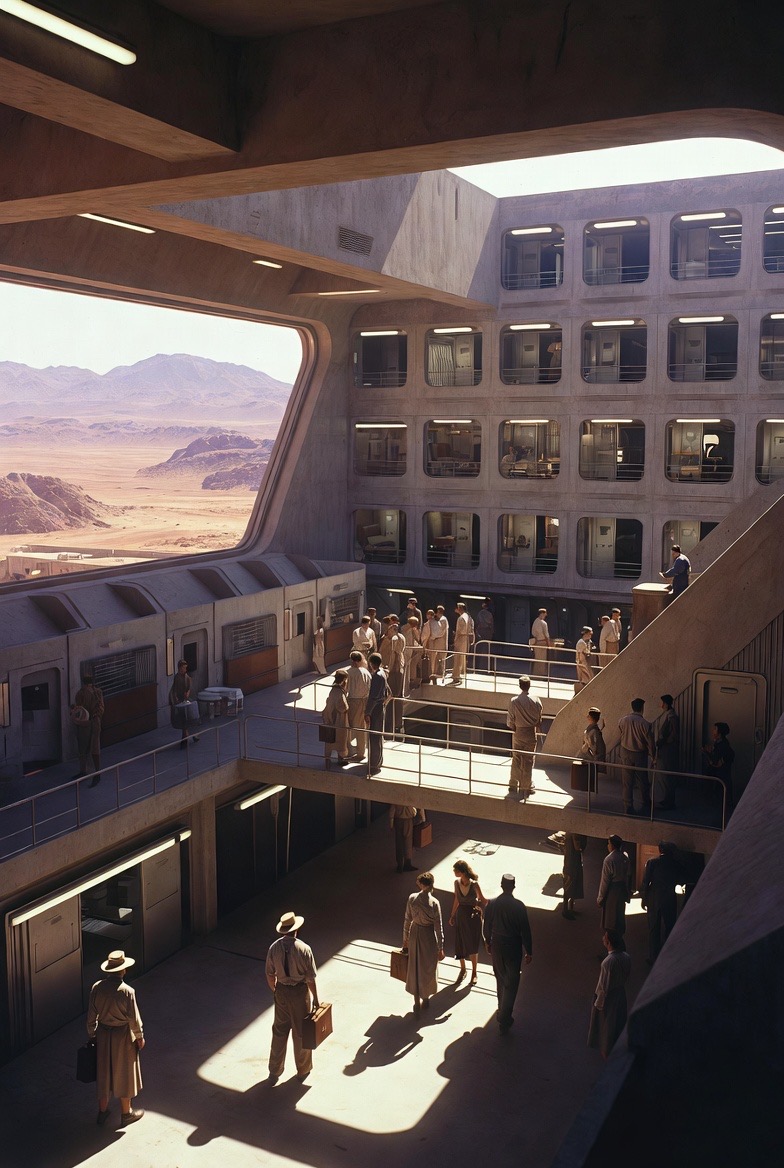
Isolation Without Despair: How Alaska’s Begich Towers Models Thriving Mars Communities.
In the frozen reaches of Whittier, Alaska, a single 14-story building stands as humanity’s most compelling real-world preview of life in a permanent Mars colony. Begich Towers, a repurposed Cold War barracks, houses nearly an entire town of 250-300 residents who voluntarily spend months confined indoors, shielded from relentless blizzards, sub-zero temperatures, and a landscape that can turn apocalyptic without warning. Here, daily life unfolds entirely under one roof: school, grocery store, church, clinic, police station, and homes all interconnected, with the outside world accessible only through a single tunnel that closes at night. Unlike temporary space simulations or military outposts, this decades-old civilian community has organically evolved strong family-like bonds, remarkable resilience, and multi-generational stability despite extreme proximity and isolation. For researcher Brian Roemmele, who has studied Whittier for decades, Begich Towers is not just an oddity; it is the closest Earth analog to the social reality of a thriving, indefinite Mars settlement, revealing how humans can transform confinement into a strangely magical way of life.
TLDR:
Imagine humanity’s first permanent Mars colony: a tight-knit group living indefinitely in a single, self-contained habitat amid a deadly environment. Begich Towers in Whittier, Alaska, is the closest thing Earth has to that future. Nearly an entire town thrives inside one 14-story building, cut off for months by apocalyptic weather, yet residents forge unbreakable family-like bonds, report surprisingly high happiness, and build multi-generational lives with minimal overt conflict. Unlike short-term military or simulation analogs, this decades-old voluntary civilian community I studied it for years and it proves humans can not just survive, but flourish in extreme, permanent confinement. It offers the most compelling real-world blueprint for sustainable social dynamics on Mars.
This article is sponsored by Read Multiplex Members who subscribe here to support my work:
Link: https://readmultiplex.com/join-us-become-a-member/
It is also sponsored by many who have donated a “Cup of Coffee”, if you like this, help support my work:
Link: https://ko-fi.com/brianroemmele
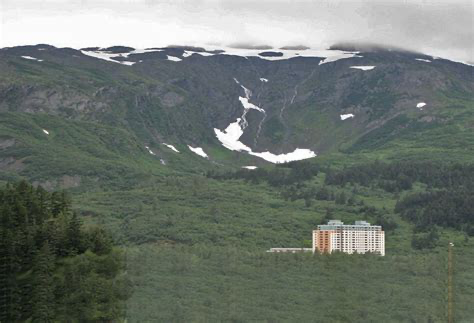
The Magical Confinement of Whittier, A Civilian Model for Multi-Planetary Society
Begich Towers has its roots in World War II and the subsequent Cold War era. In 1941, the U.S. Army began developing Whittier as a secret military port and logistics base, completing key infrastructure like railroad tunnels by 1943. The site served as a strategic ice-free harbor for troop movements into Alaska.
After the war, the military planned a large complex of multistory buildings. The Hodge Building (now Begich Towers) was the first, designed in 1953 and completed in 1957 as barracks and headquarters for military personnel and families. Named after Colonel William Walter Hodge, it featured 150-196 apartments and durable construction to withstand harsh conditions.
A companion structure, the Buckner Building, was built nearby but later abandoned. The 1964 Great Alaskan Earthquake damaged parts of Whittier but left the Hodge Building intact, demonstrating its resilience.
As the military withdrew in the 1960s, the building transitioned to civilian use. In 1972-1973, it was renamed Begich Towers in memory of U.S. Congressman Nick Begich, who disappeared in a plane crash nearby. Management passed to the Begich Towers Condominium Association in 1974. Over time, essential services moved inside, creating the self-contained “town under one roof” that persists today.
This evolution from military barracks to civilian vertical village provides a unique lens on adapting enclosed structures for long-term communal living in extreme environments.
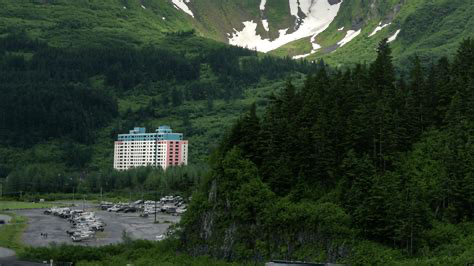
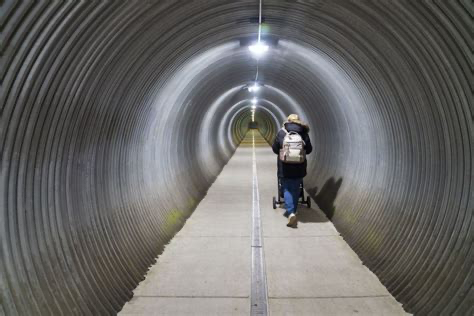
Begich Towers in Whittier, Alaska, stands as a unique terrestrial example of extreme communal living in an isolated, harsh environment. This 14-story former Cold War-era military barracks houses approximately 80-90% of the town’s roughly 250-300 year-round residents, along with essential services like a grocery store, post office, police station, clinic, church, and school (connected via underground tunnel). Residents often spend weeks or months indoors during brutal winters, with temperatures dropping below -20°F, heavy snowfall (up to 55 feet annually), high winds, and limited access via a single 2.5-mile tunnel that closes nightly. This setup mirrors key aspects of a proposed Mars colony: prolonged confinement in a shared habitat, dependence on internal resources, geographical isolation, and environmental hostility, forcing indoor reliance.
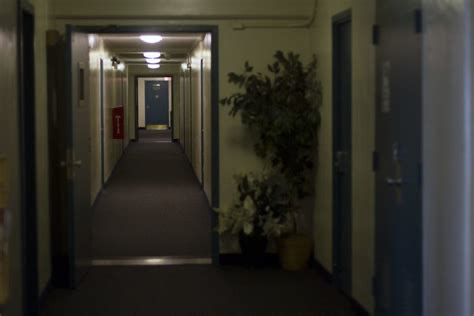
While not a perfect analog, Whittier lacks microgravity, radiation exposure, or total self-sufficiency. It offers insights into the psychological and social challenges of long-term isolation and confinement in a small, self-contained community. Mars missions would involve similar dynamics: small crews (initially 4-6 people, growing to dozens) living in modular habitats, with delayed communication to Earth (up to 20 minutes one-way), limited privacy, and high interdependence. Lessons from Whittier complement formal space analogs like Antarctic stations (e.g., Concordia), HI-SEAS simulations in Hawaii, and Mars-500 isolation experiments.
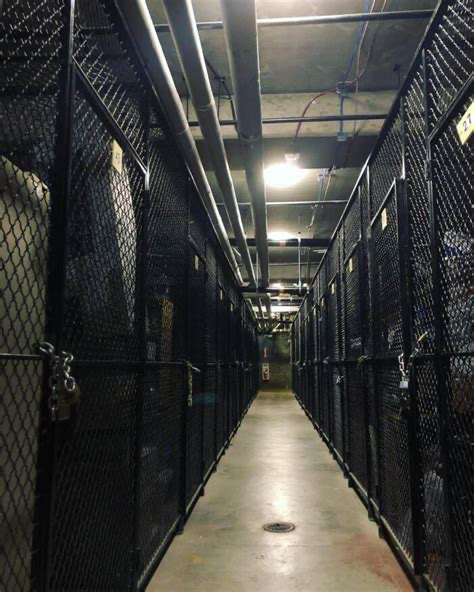
I studied Begich Towers for decades as a model for space colony dynamics. My long-term observations highlight its value in understanding voluntary, indefinite civilian cohabitation in confined spaces, informing future writings on social structures for extraterrestrial settlements.

Physical and Structural Parallels to Mars Habitats
A Mars colony would prioritize compact, multi-functional structures to conserve resources and protect against the planet’s thin atmosphere, extreme cold (-80°F average), dust storms, and radiation. Begich Towers exemplifies this “vertical village” model:
- Self-Contained Amenities: Everything needed for daily life is under one roof, reducing exposure to external hazards. Residents access school, shopping, and services without venturing outside. This is similar to how Mars colonists would rely on habitat modules for hydroponics, recreation, medical care, and work.
- Environmental Constraints: Whittier’s tunnel access and weather-induced confinement parallel Mars’ reliance on airlocks, rovers, or pressurized tunnels for external activities. Prolonged indoor living could become the norm during Martian dust storms lasting months.
- Population Density: With 150-196 units for ~200 residents, privacy is limited but communal bonds form. Early Mars bases might house 10-50 people in tight quarters, fostering intense interpersonal dynamics.
These features highlight efficiency gains but also risks: shared spaces amplify conflicts, while mutual reliance builds resilience.

Social Dynamics: Trust, Cohesion, and Conflict
In isolated environments, trust and group cohesion are critical for survival, yet proximity can breed tension.
- Whittier Insights: Residents describe the community as “family-like,” with strong bonds from constant interaction (e.g., meeting at the post office). Many report feeling supported, with low privacy concerns due to mutual dependence. The mayor and others call it “magical,” emphasizing compassion and direct governance. However, outsiders note potential for gossip or unresolved grudges in such closeness. If you dislike a neighbor, avoidance is difficult.
- Comparisons to Space Analogs:
- Antarctic stations like Concordia (12-16 crew wintering 9 months in darkness/isolation) show initial excitement fading to mid-mission stress (“third-quarter phenomenon”: heightened irritability, depression around mission midpoint), then recovery. Crews report increased cohesion over time but volatility from confinement.
- HI-SEAS missions (8-12 months, 4-6 crew) reveal stress phases: early alertness, mid-mission resistance/depression, late renewal. Communication delays simulate Mars, leading to autonomy and reduced reliance on external control.
- Mars-500 (520 days, 6 crew) noted psychological detachment from mission control, with crew autonomy fostering internal trust but risking resistance to Earth directives.
Whittier’s stable, voluntary population suggests long-term adaptation is possible: proximity transforms irritations into bonds. For Mars, this implies selecting compatible crews and designing habitats with semi-private zones to balance closeness and personal space.
Psychological Metrics: Depression, Happiness, and Well-Being
Isolation often correlates with mood disorders, but outcomes vary by environment and support.
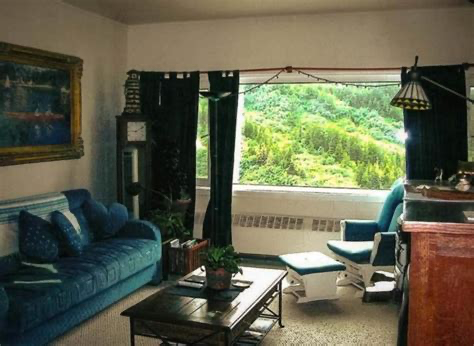
- Whittier: Anecdotal reports indicate high satisfaction. Residents praise convenience, views, and community, with many staying long-term or returning (e.g., locals born/raised there). No widespread depression reports exist; some describe it as “home” despite outsider perceptions of dreariness (constant clouds, storms). Perpetual overcast winters mirror seasonal affective disorder risks, yet residents adapt via indoor routines.
- Broader Alaskan Context: Rural isolation contributes to higher depression/suicide rates statewide, exacerbated by darkness and remoteness. However, Whittier’s built-in social network may buffer this, unlike dispersed bush communities.
- Space Analog Studies:
- Concordia crews experience sleep disruption, immune dysregulation, and transient gray matter decline (recovering post-mission), linked to hypoxia, darkness, and confinement. Depression rates rise mid-winter but resolve with group support.
- HI-SEAS and Antarctic data show elevated stress hormones early, normalizing later; individual resilience varies, with exercise and cognition mitigating brain changes.
- Overall, isolated groups face higher depression risk (e.g., from sensory deprivation), but structured activities and cohesion reduce it.
Judging Whittier happiness: Qualitative evidence leans positive. Residents express pride and contentment, viewing isolation as “sought-after confinement” justified by weather. Quantitatively, no specific studies exist, but stable population and low turnover suggest above-average satisfaction for such extremes.
Substance Abuse: Alcoholism and Coping Mechanisms
Alcohol often serves as a maladaptive coping tool in isolated settings.
- Whittier: No direct data on rates exist, but anecdotal mentions (e.g., past drug issues) align with Alaska’s challenges. Statewide, alcohol misuse is high (binge drinking ~16-20%), linked to isolation, trauma, and boredom.
- Alaska Native/Remote Communities: Higher alcoholism rates tie to historical trauma, cultural loss, and limited opportunities. Factors amplified in isolation.
- Analog Parallels:
- Antarctic stations prohibit alcohol during winter-over to prevent volatility.
- HI-SEAS restricts substances; simulations show boredom leading to overeating or conflicts, not abuse.
- Submarine deployments (another analog) report low abuse due to controls.
For Mars: Strict prohibitions likely, with psychological screening and alternatives (e.g., virtual reality recreation). Whittier’s lack of reported crises suggests communal oversight can deter excess.
Residency Duration and Turnover
Long stays indicate sustainable living.
- Whittier: Population stable since 1960s (~200-300), with many multi-generational residents or long-term stays (e.g., 20+ years). Some leave for opportunities but return, suggesting high retention despite challenges.
- Analog Comparisons:
- Concordia: Temporary (9-12 months), with post-mission recovery needed.
- HI-SEAS: Simulated 4-12 months; real missions would be years.
- Mars: Initial 1-2 years, permanent colonies indefinite.
Whittier’s decades-long residency proves indefinite confinement viable with voluntary participation and amenities. Key for Mars retention.
Religious Participation, Birth Rates, Divorce Rates, and Family Dynamics
Small, isolated communities like Whittier provide additional metrics on family stability and social support systems, which are crucial for long-term Mars colonies where reproduction, family formation, and moral frameworks could influence crew morale and sustainability.
- Religious Participation: Begich Towers includes a dedicated church in the basement, described variably as Baptist, Southern Baptist, non-denominational, or hosting services in both English and Samoan. A notable Samoan community contributes to a “strong sense of faith,” with the Malamalama Fou Assembly of God church playing a central role. Services include baptisms (using an inflatable pool due to cold outdoor conditions) and attract both residents and visitors (e.g., cruise ship crew). While exact attendance rates are unavailable due to the town’s size, the in-building church and cultural emphasis among the Samoan population (many teachers and families) suggest relatively high participation compared to broader Alaska trends, where religiosity varies but evangelical and Pentecostal groups are active in remote areas. Religion appears to foster community cohesion, providing spiritual and social outlets in confinement.
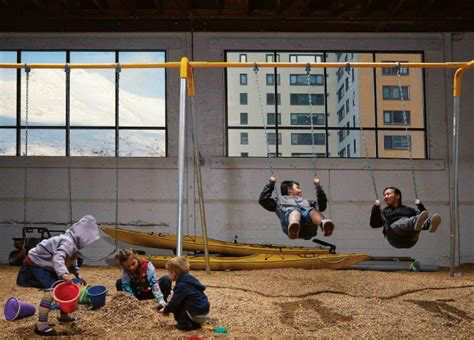
- Birth Rates: Recent U.S. Census data (ACS 2023) indicates a low birth rate in Whittier, with only about 2.5% of women aged 15-50 giving birth in the past year. Roughly half the Alaska statewide rate (~5.7%) and lower than the national average. Fertility rates are estimated around 34 births per 1,000 women of childbearing age in older data, but current demographics show an aging population (median age ~30-46 across estimates) with few young children (~35 students in the school). This aligns with small, remote Alaskan towns facing economic and migratory pressures, resulting in declining or stable-low populations. For Mars implications: Low birth rates in analogs highlight challenges for self-sustaining colonies, where initial settlements may rely on immigration rather than natural growth.
- Divorce Rates and Handling: No specific divorce statistics exist for Whittier due to its tiny population (making rates statistically unreliable). Statewide, Alaska has a divorce rate of ~3.1 per 1,000 inhabitants (2021), higher than the U.S. average, often linked to isolation, seasonal work, and economic stress in remote areas. In Whittier, the extreme proximity intensifies social dynamics: gossip spreads rapidly, breakups are difficult (as ex-partners remain unavoidable neighbors), and conflicts can escalate due to limited escape. Anecdotal accounts suggest divorces or separations are handled informally through community pressure toward reconciliation or quiet endurance, given the “everyone knows everyone” environment. Strong family-like bonds and potential religious influences may deter formal divorces, but unresolved tensions could contribute to turnover (some residents leave for privacy or opportunities elsewhere).
These family metrics underscore trade-offs in confined living: religion and community support enhance resilience, but low birth rates and potential relationship strains pose risks for generational continuity. Critical considerations for Mars, where family policies, counseling, and habitat design must address reproduction and partnership stability.

Key Isolation Studies: Soviet/Russian and NASA Comparisons
To contextualize Whittier’s insights, major controlled isolation studies provide controlled data on confinement effects. Top Soviet/Russian-era studies (often at Moscow’s Institute of Biomedical Problems) include:
- 1967-1968 Year-Long Isolation Experiment: Three volunteers confined for 365 days to test life support and psychological endurance, simulating early space station conditions. Key findings: manageable stress with motivation, but emerging monotony and interpersonal friction; highlighted need for psychological support.
- SFINCSS-99 (1999-2000): International crew in 240-270 days isolation, revealing intercultural conflicts (e.g., harassment incidents) and mid-mission stress peaks.
- Mars-500 (2007-2011): Landmark 520-day simulation (six multinational crew) of full Mars mission, including communication delays and “landing.” Findings: autonomy increased cohesion but caused detachment from Earth control; mid-mission lethargy/depression (“third-quarter phenomenon”); sleep disruptions; overall recovery post-mission, proving long confinement feasible with screening/training.
Top NASA-funded studies emphasize Mars analogs:
- HI-SEAS (Hawaii Space Exploration Analog and Simulation, 2013-ongoing): Multiple missions (4-12 months, 4-6 crew) in volcanic habitat simulating Mars surface ops with delays. Findings: phased stress (excitement to resistance to renewal); boredom leading to conflicts/over-eating; importance of autonomy and recreation.
- HERA (Human Exploration Research Analog): 45-day missions in closed habitat; focuses on team dynamics, delayed comms.
- CHAPEA (Crew Health and Performance Exploration Analog, 2023-ongoing): Year-long (365+ days) Mars surface simulations in 3D-printed habitat with resource limits/delays. Findings from first mission: sustained performance possible, but isolation amplified habitability issues.
Comparisons: Soviet/Russian studies (e.g., Mars-500) were longer, more sealed, and hierarchical (often all-male/military-influenced), showing higher mid-mission dips but strong recovery via structure. NASA studies (HI-SEAS/CHAPEA) incorporate diverse crews, realistic ops (e.g., EVAs), and delays, revealing cultural/interpersonal benefits but persistent monotony effects. Both confirm third-quarter stress, sleep issues, and cohesion’s protective role, but NASA emphasizes habitability/food systems.
Why Begich Towers is an Exceptional Metric for Long-Term Civilian Cohabitation
Unlike most analogs, temporary simulations (Mars-500, HI-SEAS), polar overwinters, or military settings (submarines, early Soviet experiments), Whittier represents indefinite, voluntary civilian cohabitation in confinement. Residents choose to stay (or return) for decades, forming multi-generational families without rigid hierarchy or mission endpoint. This mirrors a mature Mars colony (permanent settlement, natural growth, civilian governance) far better than short-term professional/military crews, who know return is guaranteed. Whittier’s organic adaptation, strong bonds buffering isolation, low overt crises despite proximity, demonstrates sustainable civilian dynamics, informing Mars policies on privacy, community support, and voluntary retention beyond initial exploration phases.

Implications for Mars Colonization
Begich Towers demonstrates that humans can thrive in confined, isolated habitats through strong social ties, multi-functional design, and adaptation. Challenges like mid-mission stress or conflict are manageable with selection, training, and support. Evidenced by analog recoveries. However, Mars adds irreversible commitment (no quick return) and physiological stressors, necessitating hybrid lessons: Whittier’s communal resilience + Antarctic/HI-SEAS protocols.
The Beacon from Earth’s Frozen Edge
As we stand on the threshold of becoming a multi-planetary species, Begich Towers rises not as a curiosity but as a defiant beacon. In the shadow of glaciers and beneath perpetual storm clouds, a small band of ordinary civilians has quietly proven something extraordinary: that prolonged confinement in a single shared structure, surrounded by a lethally hostile environment, does not inevitably breed despair, madness, or collapse. Instead, it can forge a resilient, multi-generational society bound by trust, mutual reliance, and an almost magical sense of belonging. This is no simulation with an end date, no military outpost with escape hatches. This is real, voluntary, indefinite life under one roof — the closest Earth will ever come to rehearsing the social reality of a permanent Mars colony.
Whittier whispers a powerful truth to future Mars pioneers: isolation can be transformed into intimacy, limitation into liberation, and the unforgiving void outside into a catalyst for unbreakable human connection. If a few hundred Alaskans can turn a concrete Cold War relic into a thriving vertical village, then humanity is far more ready for the red planet than we dared to believe.
This is only the beginning. In forthcoming articles, drawn from decades of direct study of this remarkable Alaskan outpost, we will dive deeper: the hidden rules of conflict resolution in inescapable proximity, the surprising role of faith and ritual in maintaining morale, the quiet mechanisms that keep gossip from becoming poison, the economic models that sustain self-containment, and the subtle psychological adaptations that allow people to flourish where outsiders expect only misery. These are not theories — they are lived realities, waiting to guide the first true Martian societies.
To continue this vital work documenting, analyzing, and sharing these hard-won lessons before we launch humanity’s greatest leap: I need your support. Independent research like this relies entirely on readers who believe in preparing wisely for our multi-planetary future. If Begich Towers has ignited your imagination about what is possible on Mars, please consider donating at buy me a Coffee . Every contribution helps sustain deeper fieldwork, upcoming articles, and the broader mission of translating Earth’s extreme communities into blueprints for the stars.
The next frontier is calling. Together, let us answer it prepared.
I will offer more of my insight soon to ReadMultiplex.com members below. If you are not a member, join us. This supports my work. You can also just buy me a Coffee to keep me awake. Either way, thank you!
🔐 Start: Exclusive Member-Only Content.
Membership status:
🔐 End: Exclusive Member-Only Content.
~—~

~—~
~—~
Subscribe ($99) or donate by Bitcoin.
Copy address: bc1qkufy0r5nttm6urw9vnm08sxval0h0r3xlf4v4x
Send your receipt to [email protected] to confirm subscription.

Stay updated: Get an email when we post new articles:

THE ENTIRETY OF THIS SITE IS UNDER COPYRIGHT. IMPORTANT: Any reproduction, copying, or redistribution, in whole or in part, is prohibited without written permission from the publisher. Information contained herein is obtained from sources believed to be reliable, but its accuracy cannot be guaranteed. We are not financial advisors, nor do we give personalized financial advice. The opinions expressed herein are those of the publisher and are subject to change without notice. It may become outdated, and there is no obligation to update any such information. Recommendations should be made only after consulting with your advisor and only after reviewing the prospectus or financial statements of any company in question. You shouldn’t make any decision based solely on what you read here. Postings here are intended for informational purposes only. The information provided here is not intended to be a substitute for professional medical advice, diagnosis, or treatment. Always seek the advice of your physician or other qualified healthcare provider with any questions you may have regarding a medical condition. Information here does not endorse any specific tests, products, procedures, opinions, or other information that may be mentioned on this site. Reliance on any information provided, employees, others appearing on this site at the invitation of this site, or other visitors to this site is solely at your own risk.
Copyright Notice:
All content on this website, including text, images, graphics, and other media, is the property of Read Multiplex or its respective owners and is protected by international copyright laws. We make every effort to ensure that all content used on this website is either original or used with proper permission and attribution when available.
However, if you believe that any content on this website infringes upon your copyright, please contact us immediately using our 'Reach Out' link in the menu. We will promptly remove any infringing material upon verification of your claim. Please note that we are not responsible for any copyright infringement that may occur as a result of user-generated content or third-party links on this website. Thank you for respecting our intellectual property rights.
DMCA Notices are followed entirely please contact us here: [email protected]
