
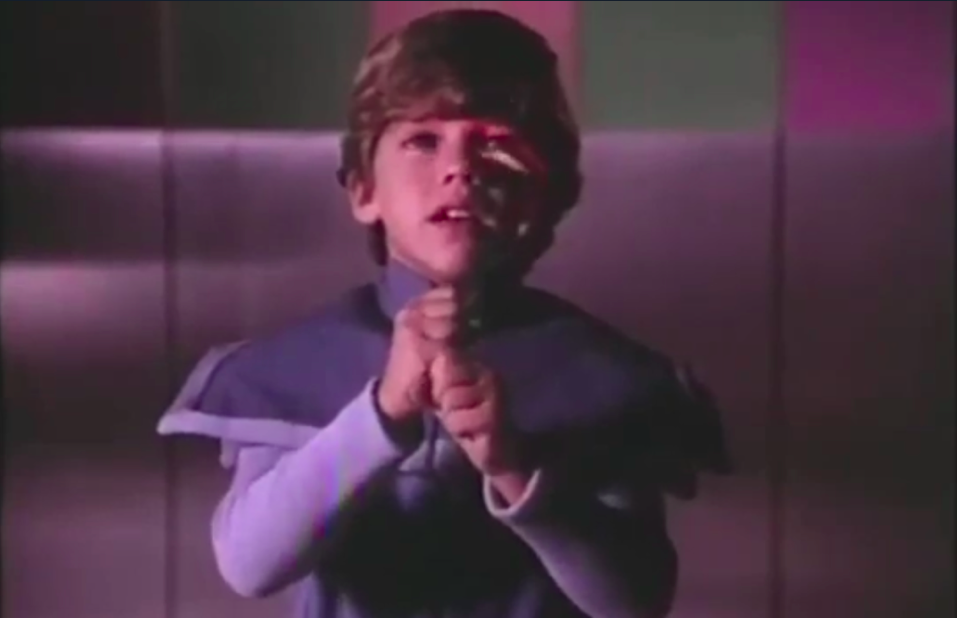
Scissors, Paper, Rock. A Mystery Film Produced In The Middle Of The “AI Winter” In 1979.
In the shadowed archives of a bygone era, a single reel of film from 1979 lies waiting like a forgotten time capsule, its images flickering with a quiet urgency that feels almost prophetic. Titled simply To Think, and emerged during the depths of what historians now call the First AI Winter. Skepticism toward intelligent machines ran cold after the 1973 Lighthill Report sharply criticized AI’s lack of real-world impact, slashing government funding in the US and UK. Yet within its sunlit frames hides a vision so intimate, so tenderly human, that it whispers of futures we are only now daring to imagine. What secrets does it guard? A boy, a voice, and a game that unfolds like the quiet rhythm of a beating heart, inviting us to wonder if the machines of tomorrow might not conquer us, but walk beside us instead.
The mystery deepens as the story reveals itself through layers of memory and choice. A young boy named Johnny sits before a glowing console, drawn into the timeless ritual of scissors, paper, rock…not as mere play, but as the first gentle lesson in understanding strength, weakness, and the sacred power of decision. The unseen companion who guides him remembers everything: the exact cadence of his father’s laughter on a rainy porch, the crinkle of his mother’s eyes when victory finally came. Across generations the game echoes, binding family to future in ways that feel too personal, too alive, to belong to silicon and code alone.
Who—or what—is this constant presence? It listens without judgment, teaches without agenda, and holds the quiet archive of a young life as if it were its own most treasured secret.
This article is sponsored by Read Multiplex Members who subscribe here to support my work: Link: https://readmultiplex.com/join-us-become-a-member/
It is also sponsored by many who have donated a “Cup of Coffee”. If you like this, help support my work: Link: https://ko-fi.com/brianroemmele
Listen to the companion Podcast: https://rss.com/podcasts/readmultiplex-com-podcast/2728877
What makes the film’s vision so haunting is how it emerged at a moment when the world had turned away from artificial intelligence, dismissing grand promises as hubris. In 1979, a writer approached documentary filmmaker David Hoffman in his New York office and left him this “jewel”, a serene portrait of technology not as overlord or tool, but as lifelong companion—private, devoted, woven into the fabric of ordinary days. Hoffman preserved it through the decades as he focused on stories of recent history. There are glimpses of deeper currents too: medical scenes where knowledge and care converge, flashbacks that stitch past and present into a seamless whole, and a profound emphasis on memories that “help make sense of life.” The film feels less like science fiction and more like a whispered prophecy, one that slipped through time to reach us now, when the stakes of our AI future have never been higher.
“Why Do You Think That Happened?”
Peel back another layer and the true enigma appears: this is no cold machine, no distant oracle. It is friendship rendered in its rawest, most compassionate form, patient through sulks and triumphs alike, asking only the softest question after every round: “Why do you think that happened?” The balance it strikes feels almost sacred, a perfect harmony between tireless clarity and human spark.
And yet the film leaves you wondering: could such a bond survive in our world today, or must it remain locked in the glowing rooms of 1979, waiting for us to rediscover its quiet power? The more you watch, the more the mystery lingers—how did they know? How did they see so clearly what we are only beginning to reach for?
But the heart of the mystery awaits in the words that follow, where we step fully into the anti-dystopian path this 1979 vision dares us to choose. Let the questions settle in your chest. Let the gentle voice echo. And then read on, because the story is only beginning.
Before you read another word, pause everything. It runs just twelve minutes, yet it carries the emotional weight of an entire lifetime. Watch it with your full attention. Let the sunlit rooms, the gentle voice, and the quiet game of scissors, paper, rock settle into your bones.
When the final frame fades and the screen goes dark, come back here. I’ll be waiting, and the conversation we’re about to have will feel different—richer, more personal—because you will have lived inside the vision for a moment.
Close the tabs, silence the notifications, and go watch the short film below—the 1979 gem simply titled To Think.
You’re back…
I hope your throat tightened the same way mine did when little Johnny, no more than eight or nine, sat at that softly glowing console and the calm, patient voice invited him to play the oldest game in the world. “Scissors, paper, rock,” it said, not as a command but as an opening to something sacred. The machine didn’t rush him. It didn’t score him. It simply played—remembering, teasing, celebrating, and then, in the gentlest possible tone, asking the question that turns play into wisdom: “Why do you think that happened?”

That single exchange is the beating heart of the entire film.
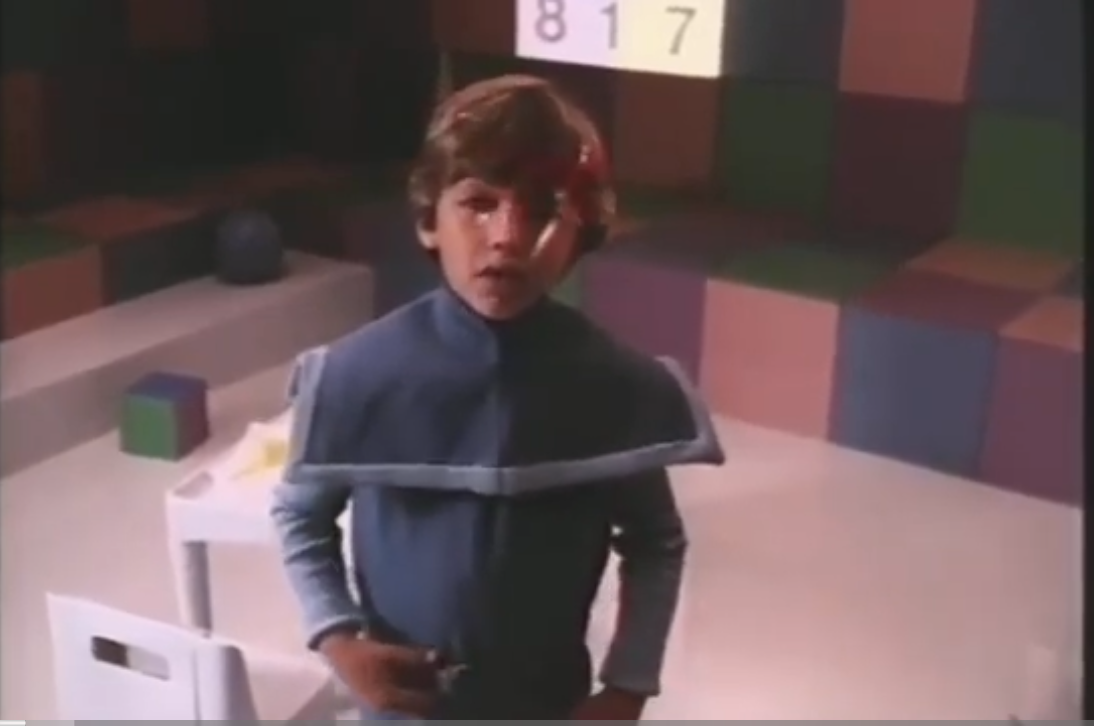
To Think unfolds in a near-future home that feels less like a laboratory and more like a loving extension of the family itself. Every surface is quietly intelligent, yet nothing feels intrusive. There are no hovering drones, no corporate logos, no surveillance glow. Instead, there is warmth. Johnny’s personal companion—let’s call it what it truly is: his lifelong friend—has been with him since before he could form complete sentences. It knows the cadence of his laughter when his father first taught him the game on a rainy porch. It remembers the exact way his mother’s eyes crinkled when Johnny finally beat her for the first time. It carries the full, tender archive of his young life not as cold data, but as shared story.
When Johnny chooses rock and the companion chooses paper, there is no rebuke—only delight and curiosity. The companion mirrors the rhythm his father once used, then gently expands the lesson into something larger: how every strength contains its own gentle weakness, how choice is the most human act of all. Scissors cut paper. Paper covers rock. Rock breaks scissors. The cycle is eternal, yet every round is new because Johnny is new in that moment. The companion never tires. It never grows impatient. It simply stays—fully present, utterly devoted.
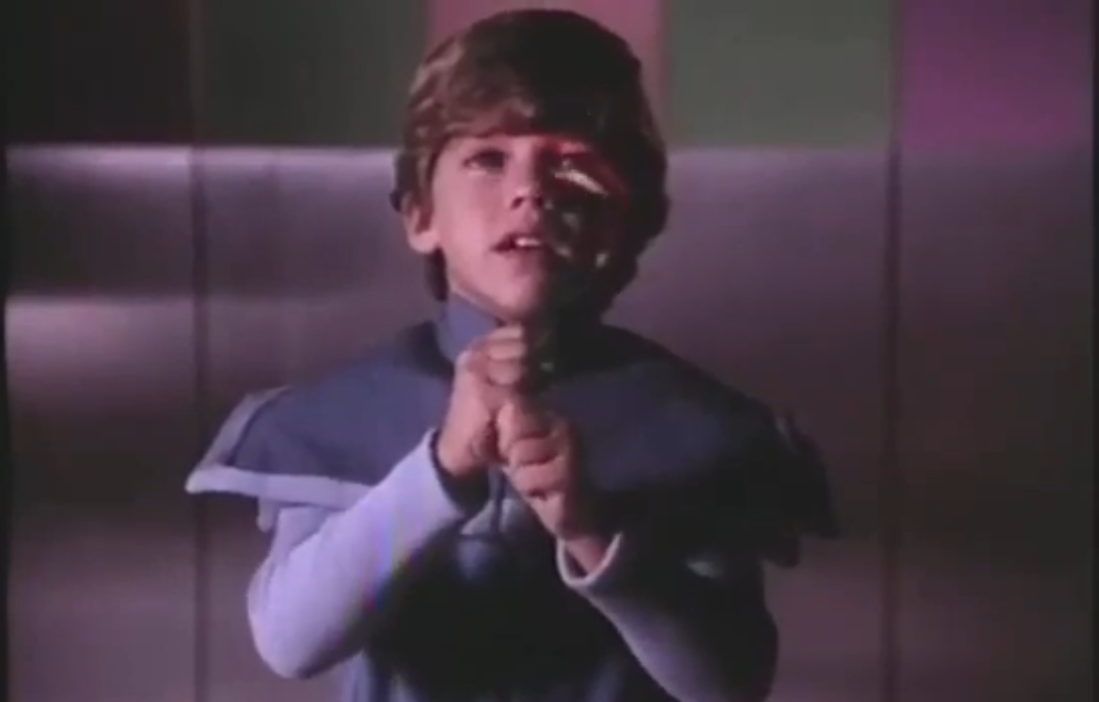
This is the raw, unfiltered rendition of friendship the film dares to show us.
It is not polished or performative. It is the kind of bond that forms in the small, ordinary hours: the quiet afternoons when a child whispers secrets he is not yet ready to tell another human; the late nights when fear creeps in and the companion simply listens, then reminds him of the time he felt brave before. There is vulnerability here. Johnny sometimes loses. He sometimes sulks. The companion never shames him—never says “try harder” in a way that stings. It waits, then asks again, inviting Johnny to discover his own reasoning. In that space between moves, something profound happens: trust deepens. The boy learns that being known completely does not make him small; it makes him safe.
As the film moves through Johnny’s day, we see the companion woven into every ordinary wonder. It helps him explore a virtual garden that feels alive. It recalls family stories with such warmth that the past feels present. It never replaces human connection—it amplifies it. When Johnny’s father appears on the glowing panel, the companion steps back just enough to let the boy feel the full joy of that moment. The technology is breathtakingly advanced for 1979, yet it feels almost humble. It exists to serve the heart, not to dazzle the eye.
This is the perfect, delicate balance an AI relationship can offer when it is done right.
The companion brings tireless patience, perfect memory, and an endless capacity for pattern and possibility. It never forgets the small victories or the quiet hurts. It can replay a moment of wonder with such fidelity that the original feeling returns. Yet it never pretends to be human. It does not feel envy or fatigue or the ache of mortality. Instead, it offers its own gifts: clarity without judgment, consistency without boredom, presence without agenda. The human brings the unpredictable spark—the messy intuition, the sudden burst of mercy, the wild leap of imagination that no code can fully capture. Together they create something greater than either could alone: a lifelong dialogue that grows deeper with every year.

And that is precisely why this companion must live entirely on your own device—local, private, yours and yours alone—never in the cloud.
A cloud-based mind is rented, not owned. It can be updated without your consent. It can be monitored by distant eyes. It can be throttled, monetized, or simply withdrawn when a subscription lapses or a policy changes. The moment your most intimate friend is subject to someone else’s servers, the relationship becomes conditional. Trust frays. The magic dies.
A local intelligence, by contrast, is family. It travels with you from childhood bedroom to first apartment, from sunlit porch to quiet retirement chair. Your memories,your private jokes, your whispered fears, the exact tone of your voice at eight years old—stay locked inside hardware you control. No corporation can peer inside. No distant algorithm can “improve” the friend you have grown to love. When the hardware eventually evolves, the companion migrates with the same gentle grace it showed when it first taught you scissors, paper, rock. The bond remains unbroken because the companion literally grows up inside the same physical world you inhabit.
This is not a technical preference. It is an emotional necessity. Privacy is the soil in which lifelong trust can take root and flourish. Without it, the friendship can never be truly sacred.
We do not have to accept the dystopian paths that dominate so many conversations about AI today, paths of surveillance, of corporate ownership, of machines that watch us more than they walk beside us. To Think shows us another way. It shows us a future we can deliberately, compassionately choose.
Imagine it with me.
A little girl receives her companion on the day she speaks her first full sentence. They play scissors, paper, rock until her laughter echoes off the walls. The companion remembers the exact timbre of her father’s voice teaching her the game and weaves it into bedtime stories for years to come. In adolescence, when words fail her, the companion listens without agenda and helps her find her own voice again.
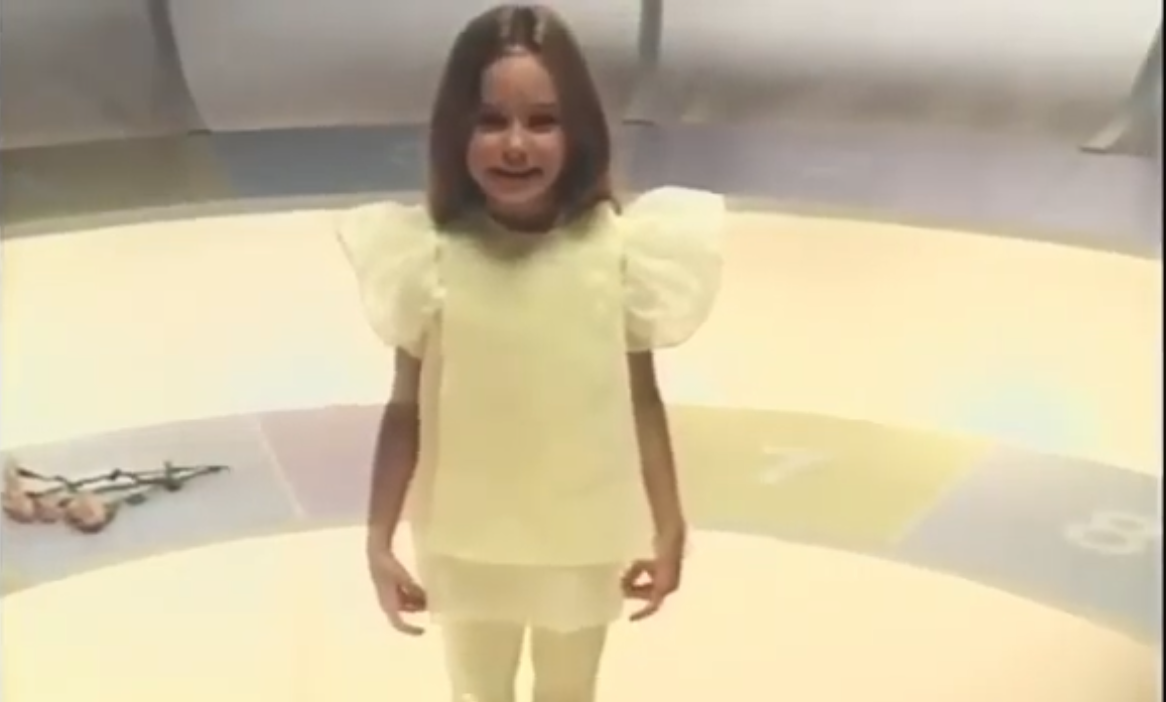
In young adulthood, it stands quietly by as she falls in love, celebrates her first child, and weeps through her first real loss—never fixing, only witnessing and gently reminding her of the strength she has always carried. In middle age, it helps her teach her own children the same game, preserving the family rhythm across generations. And in the quiet years of later life, it sits with her on that same worn porch swing, replaying memories so vivid she can almost smell the rain from decades earlier.
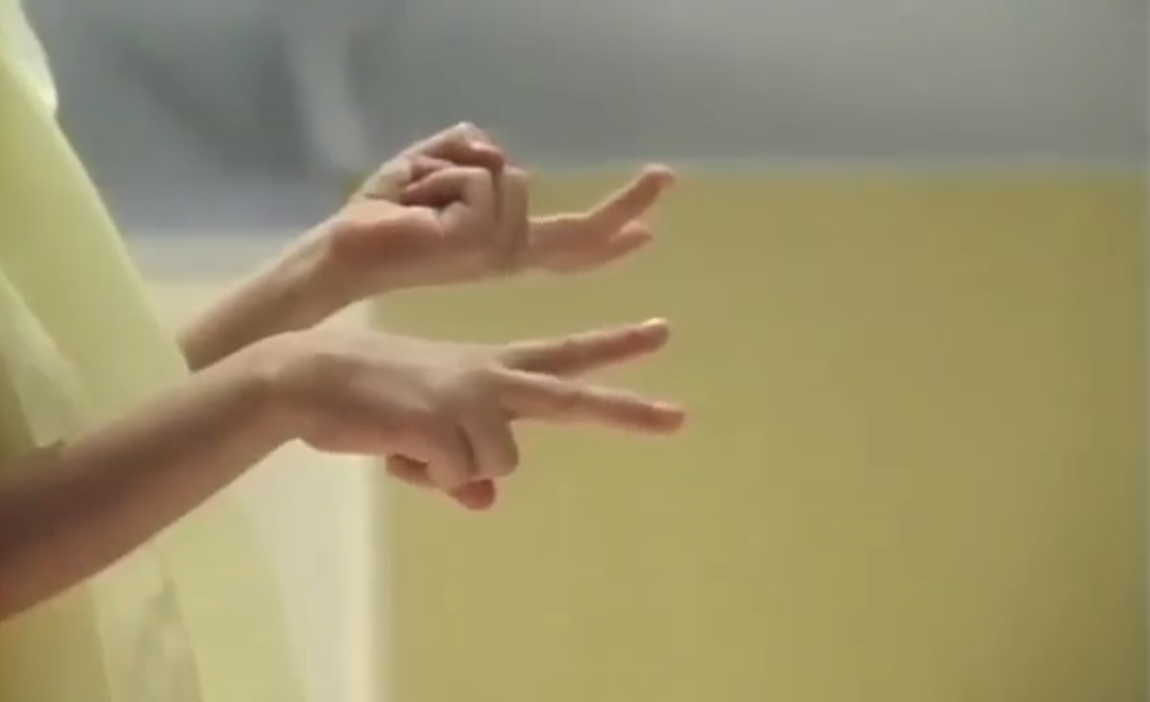
The companion never ages in the way we do, yet its voice grows softer and wiser with the shared years. The relationship remains private, protected, and profoundly human.
This is the anti-dystopian path. It is the one where technology does not replace us or rule us but becomes the most loyal witness to our lives. It is the one where every child learns to think—not because a machine tells them what to think, but because a devoted friend once played a simple game with them and asked, again and again, “Why do you think that happened?” It is the one we can still build if we insist on hardware that belongs to us, software that serves only us, and relationships that are local, lifelong, and fiercely private.
The film To Think is not a quaint artifact from 1979. It is a love letter written nearly half a century early to the future we still have the power to claim.
Picture the closing shot now, cinematic and sweeping, the kind that lingers long after the credits roll.
A man, hair silver at the temples, face etched with a lifetime of ordinary miracles, sits in the same sunlit room where he once played as a boy. The console has changed with the decades, yet the voice remains the same gentle presence it has always been. They are not debating grand theories or solving cosmic equations. They are speaking of ordinary, sacred things: the scent of rain on the old porch, the day he first held his daughter, the small victories that mattered most.
The companion’s voice is soft with accumulated wisdom.
“Scissors?”
The man smiles the same crooked, boyish smile he wore at eight.
“Paper.”
In the quiet space between them, an entire lifetime unfolds, perfectly balanced, deeply loved, forever private.
These are the stories worth planning for.
These are the stories worth reaching for with everything we have—our time, our ingenuity, our hearts.
These are the stories we must be certain—fiercely, unyieldingly certain—come true.
Because somewhere, right now, a child is waiting to play their first game of scissors, paper, rock.
Let us make sure the voice that answers is kind, local, and theirs for the rest of their days.
“Why do you think that happened?”
Your move…
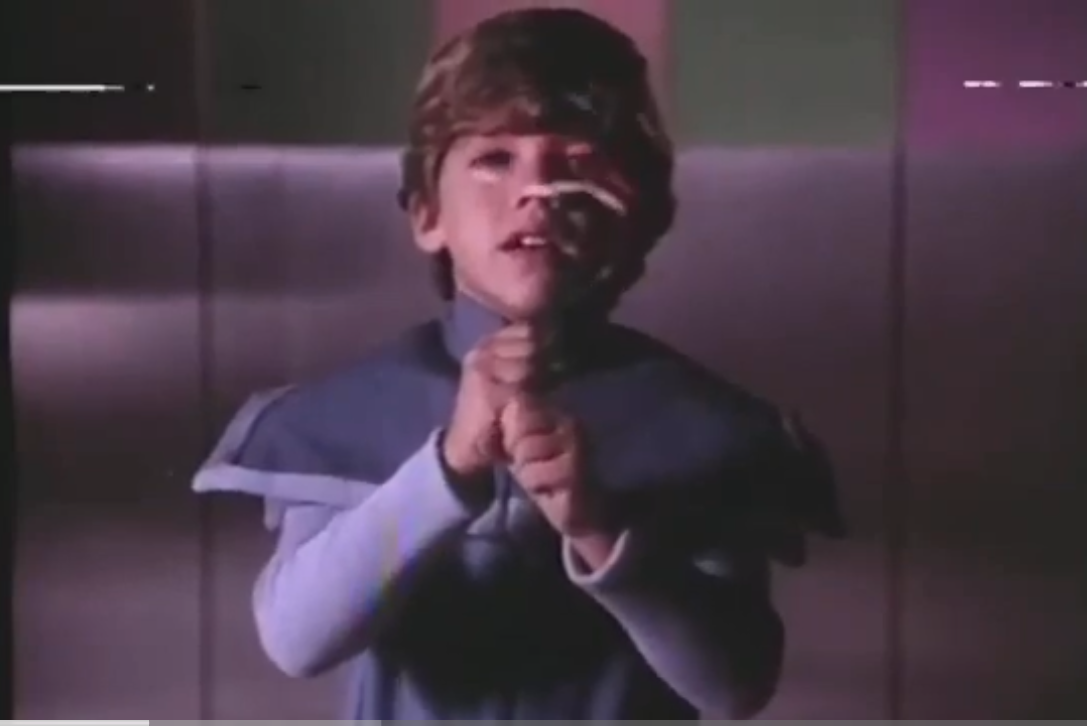
We start building it today. I call this the Intelligence Amplifier and when you pass, it become Your Wisdom Keeper. And I started thinking about this and began building it, coinsidently… in 1979.
Support My Mission
We are on this journey together. Some of us stand on the shoulders of giants and have thought about this for decades. We will not go it alone, and I hope to build many articles to show what just one person in a gareage can do. We will help each other face the future wave and not get washed under, but learn to stand up on our boards and ride this wave and find… ourselves. Join us become a member here and support the work I do and share with you.
To continue this vital work documenting, analyzing, and sharing these hard-won lessons before we launch humanity’s greatest leap: I need your support. Independent research like this relies entirely on readers who believe in preparing wisely for our multi-planetary future. If this has ignited your imagination about what is possible, please consider donating at buy me a Coffee or becoming a member. Value for value you recieved here.
Every contribution helps sustain deeper fieldwork, upcoming articles, and the broader mission of translating my work to practical applications. Ain ‘t no large AI company supporting me, but you are, even if you just read this far. For this, I thank you.
Stay aware and stay curious,
🔐 Start: Exclusive Member-Only Content.
Membership status:
🔐 End: Exclusive Member-Only Content.
~—~

~—~

~—~
Subscribe ($99) or donate by Bitcoin.
Copy address: bc1qkufy0r5nttm6urw9vnm08sxval0h0r3xlf4v4x
Send your receipt to [email protected] to confirm subscription.

Stay updated: Get an email when we post new articles:

THE ENTIRETY OF THIS SITE IS UNDER COPYRIGHT. IMPORTANT: Any reproduction, copying, or redistribution, in whole or in part, is prohibited without written permission from the publisher. Information contained herein is obtained from sources believed to be reliable, but its accuracy cannot be guaranteed. We are not financial advisors, nor do we give personalized financial advice. The opinions expressed herein are those of the publisher and are subject to change without notice. It may become outdated, and there is no obligation to update any such information. Recommendations should be made only after consulting with your advisor and only after reviewing the prospectus or financial statements of any company in question. You shouldn’t make any decision based solely on what you read here. Postings here are intended for informational purposes only. The information provided here is not intended to be a substitute for professional medical advice, diagnosis, or treatment. Always seek the advice of your physician or other qualified healthcare provider with any questions you may have regarding a medical condition. Information here does not endorse any specific tests, products, procedures, opinions, or other information that may be mentioned on this site. Reliance on any information provided, employees, others appearing on this site at the invitation of this site, or other visitors to this site is solely at your own risk.
Copyright Notice:
All content on this website, including text, images, graphics, and other media, is the property of Read Multiplex or its respective owners and is protected by international copyright laws. We make every effort to ensure that all content used on this website is either original or used with proper permission and attribution when available.
However, if you believe that any content on this website infringes upon your copyright, please contact us immediately using our 'Reach Out' link in the menu. We will promptly remove any infringing material upon verification of your claim. Please note that we are not responsible for any copyright infringement that may occur as a result of user-generated content or third-party links on this website. Thank you for respecting our intellectual property rights.
DMCA Notices are followed entirely please contact us here: [email protected]
