

You Have 5000 Days. How To Navigate The End Of Work As We Know It. Part 1.
Students graduating from universities in the spring of 2026 will not have the career they thought they would have by the end of the next 5000 days. People who are between 35 years old and 45 years old will live through a time that could leave them adrift in life’s meaning, as the things they thought would be forever at 25 years old rapidly become like an ancient memory in the next 5000 days. The rate of change is accelerating; what would take three generations for most of human existence now happens in a few months, and in the next 5000 days, in a few days. I write a lot about technology, but what about you and me? We all define ourselves by what we do. When we first meet someone, it seems natural for a majority of us to wonder or outright say: “So, what do you do for a living?” Indeed, what will we do “for a living” when we enter what I have called The Age Of Abundace in a lecture I gave in 1980? The transformation of “what we do” will have less and less relationship to “a living”. It is not science fiction, and one only has to look at the last five years of AI across all metrics, this is scheduled to 100x accelerate, and not even the folks on the back of this beast have any real idea of how this will play out. Most have not thought about this more than a decade at best, and if that only in some Science Fiction Dystopia ot Utopia. It will be neither, and the history of humanity has always shown us.
This article is sponsored by Read Multiplex Members who subscribe here to support my work:
Link: https://readmultiplex.com/join-us-become-a-member/
It is also sponsored by many who have donated a “Cup of Coffee”. If you like this, help support my work:
Listen to the companion podcast: https://rss.com/podcasts/readmultiplex-com-podcast/2464487
As the winter of 2025 draws to a close on this December 23, a hush falls over the world that feels laden with anticipation, as if the very air carries whispers of the profound shifts ahead. We stand on the cusp of an era where artificial intelligence and robotics will usher in an unprecedented age of abundance, transforming scarcity into surplus within the next 5000 days plus or minus 1000 days. This timeframe spans roughly 4000 to 6000 days from late 2025, or about 11 to 16 years, landing us between mid-2036 and mid-2041. This abundance will not emerge overnight but through a cascade of technological milestones that automate production, optimize resources, and democratize access to goods and services.
Experts predict that by 2025, an “automation cliff” for knowledge workers begins, with AI integrating deeply into economies and daily lives, displacing routine tasks and boosting efficiency. By 2026, physical intelligence in robotics matures, with commercial humanoid robots like those from Tesla entering markets, handling versatile tasks in homes and industries, reducing costs and labor needs dramatically.
Building on this, the path to post-scarcity accelerates around 2027-2030 with the potential emergence of Artificial Superintelligence (ASI) or advanced AGI, systems that surpass human cognition across domains, managing global optimization for energy, agriculture, and manufacturing. Speculative timelines outline key events: 2025 sees AGI prototypes, 2026 widespread AI agents, 2027 robotic swarms for farming and construction, leading to explosive growth by 2028-2030, where AI governs resource allocation, potentially achieving fusion energy breakthroughs and universal abundant/basic services.

From 2030-2035, mass integration of robotics into everyday life from niche to ubiquitous creates a “bananas” world of innovation, with AI-driven productivity spiking 30-40%, rendering traditional economies obsolete.
Yet this abundance carries a double edge: by 2035-2039, full task automation could drive annual economic growth of 30% or more, leading to leisure societies where jobs are passions, not necessities.
I am not alone, obviously, in my insights, as predictions vary. Some see a gradual emergence over 20 years, others an explosive one by 2027. But consensus points to human-level AI within decades, fueling post-scarcity.
We will enter part 1 of this series through the lens of books. Books that can help understand and shape you in the stages of potential grief or unnerved anticaipation. We will not stand idel, we will build ourselves to meet the wave that is here.
Your Hero’s Journey
“We have not even to risk the adventure alone, for the heroes of all time have gone before us. The labyrinth is thoroughly known—we have only to follow the thread of the hero path…”—Joesph Campbell, 1986
I have been and am continuing a warning that without preparation, freedom could breed existential voids. We must harness this timeline not just for material wealth but for human flourishing. While some jobs will sustain, they will do so in a massively altered form, often augmented by AI or shifted toward creative oversight rather than routine execution.
It is my hope to share this journey with you and to offer not only my normal content of showing you the future and the past, but to present a multipart series of articles on how to face our future and perhaps help to shape it. In this article, I shall present some books that will help set a foundation for your journey. I will call it your Hero’s Journey. And here is why…
This moment calls us to see our shared story through the lens of Joseph Campbell’s Hero’s Journey (https://amzn.to/4jfFLvw). The monomyth structures myths across cultures and eras.
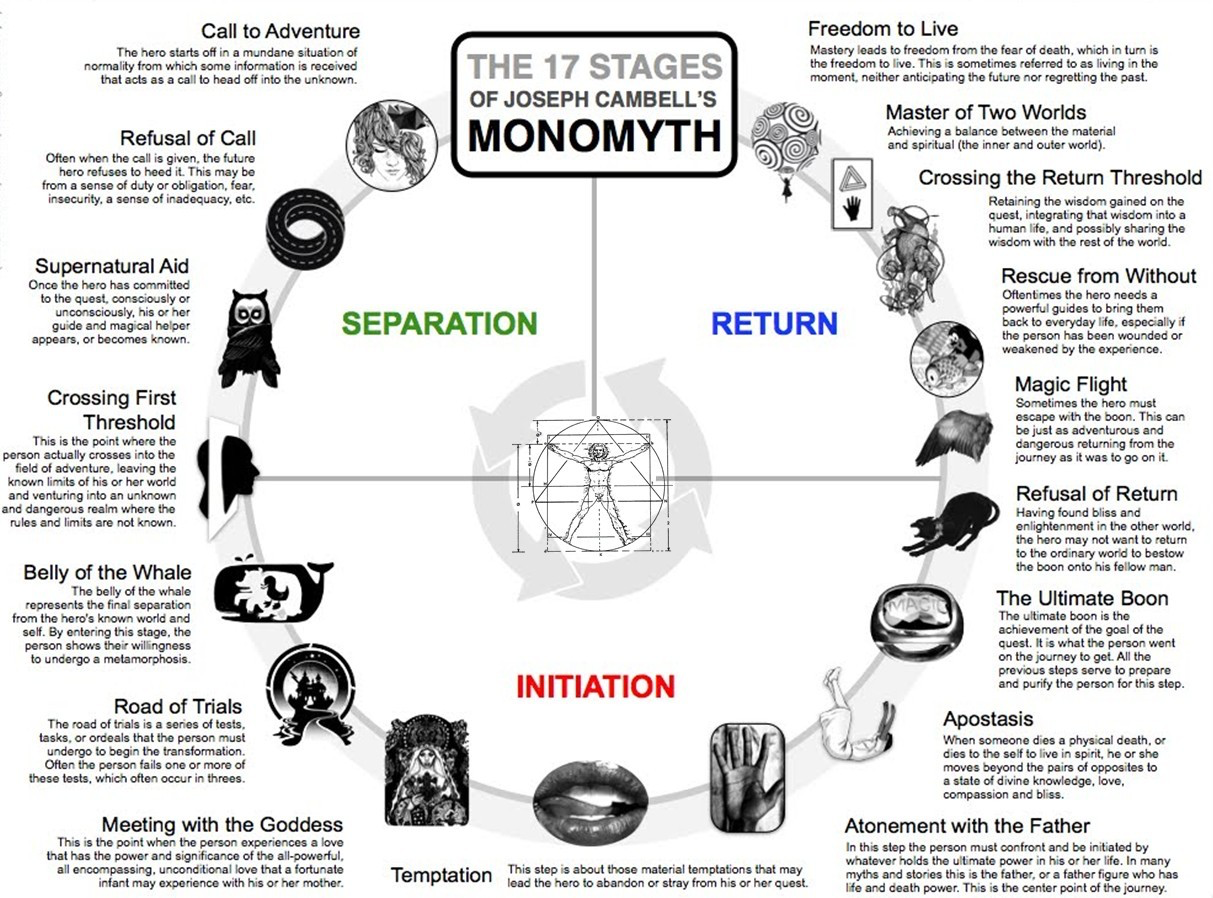
The hero begins in the Ordinary World, comfortable in familiar routines. The Call to Adventure arrives, disrupting the status quo. Often, there is Refusal of the Call, born of fear or attachment. With Supernatural Aid, such as mentors, tools, and inner wisdom, the hero crosses the First Threshold into the unknown. Trials follow on the Road of Trials, alliances form, ordeals deepen in the Inmost Cave, culminating in the supreme Ordeal and the claiming of the Ultimate Boon. The Return brings the elixir back to the ordinary world, transformed. In our era, the Call sounds not with trumpets but with the quiet advance of automation. The Refusal manifests as clinging to old identities. The Road ahead leads through grief, disorientation, and resurfacing wounds. The Boon is a life of purpose untethered from labor rooted in relationships, virtue, creativity, and wonder. We are all summoned. Those who thrive will answer with intention, gather resources, endure trials, and return bearing gifts for a world in need.
The Historical Arc: From Ancient Imperatives to Career-Centered Selves
To face the future of where work is optional and we re-evolve to our base state of wonderment and curiosity, we have to look back with honest eyes of how we lived and how it worked very well, for we got here. So I will be frank and direct. If being direct about human history and you need to present a modern Industrial Revolution view of humanity, you may want to jump past the next few paragraphs. You will not get this factual overview at a University.
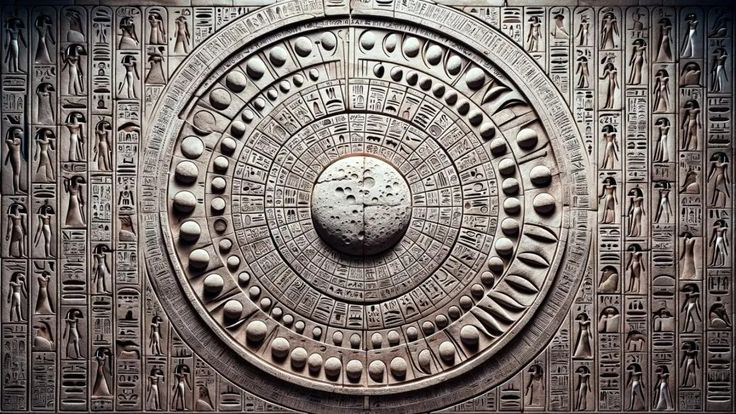
For most of human history, spanning tens of thousands of years, survival hinged on finely tuned roles shaped by biological and environmental necessities. Women’s roles revolved around gathering plant-based foods, nurturing offspring, and managing the rhythms of fertility, driven by the physiological demands of menstruation, pregnancy, and lactation. The regular blood loss from menstrual cycles created a heightened need for iron-rich nutrition, prompting women to seek out reliable, nutrient-dense sources like fruits, nuts, and small game. This necessity not only influenced daily activities but also granted women a form of leverage: control over sexual access, as men vied to provide protein-rich meat from hunts in exchange for mating opportunities. Such dynamics fostered early social negotiations, where women’s acute awareness of time through lunar cycles linking to fertility spurred the development of calendars, planning, and proto-language to communicate needs and predict outcomes.
Men’s roles complemented this, centered on hunting larger game, protection, and exploration, logics rooted in physical strength and the evolutionary drive for genetic continuity. Facing higher mortality risks from hunts and conflicts, men developed strategies for risk-taking and tool-making, while the uncertainty of paternity unlike women’s direct link to offspring, led to behaviors aimed at securing bonds, such as provisioning and establishing dominance hierarchies. These roles were not arbitrary but logical adaptations: women’s focus on stable, communal resources minimized risks during vulnerable periods like pregnancy, while men’s specialization in high-reward pursuits like hunting provided caloric surpluses essential for group survival. Over millennia, this division enabled human expansion, with language evolving from women’s need to articulate temporal connections (e.g., “nine moons until birth”) and men’s to coordinate hunts, laying the foundations for culture, art, and society.

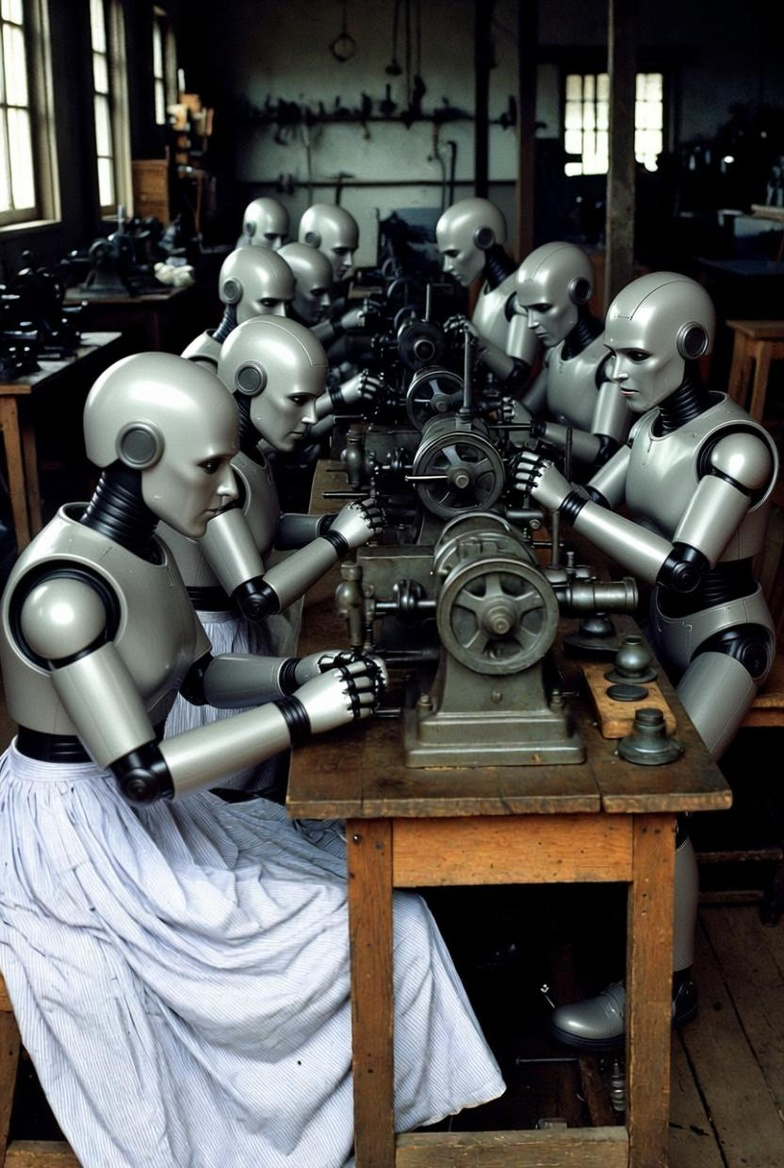
The Industrial Revolution of the 19th century disrupted these ancient logics, pulling both genders into wage labor as factories and urbanization abstracted survival from direct nature. Men became primary breadwinners in hazardous industrial roles, extending their protective hunter ethos into economic provision, while women, often relegated to domestic spheres or low-paid work, saw their nurturing roles formalized in the home. By the mid-20th century, wars, feminism, and technology further evolved this: dual-career norms emerged, with education and contraception freeing women to pursue professional identities parallel to men’s. Careers became the new arena for status and purpose, supplanting traditional roles but often at the cost of relational depth and rhythmic living. This shift provided unprecedented autonomy but tethered self-worth to productivity in an abstract economy.
As automation dissolves the economic necessity of these roles, the ancient logics may re-emerge in evolved forms. Without paid work’s demands, women may reclaim nurturing and relational emphases, finding fulfillment in caregiving, community weaving, and creative expressions tied to biological rhythms. These are logical extensions of evolutionary strengths in empathy and long-term planning. Men might gravitate toward protective innovation, exploration, or mentorship, channeling hunter instincts into ventures like tech tinkering or environmental stewardship. This reversion stems from innate drives: absent scarcity, humans seek meaning in what biology primed us for connection for women, and conquest of challenges for men. The shift will not be rigid regression but a harmonious synthesis: industrial freedoms blended with primal logics, allowing flexible expressions in a post-scarcity world. The Hero’s Return completes the cycle, integrating past wisdom into future abundance.

Consciousness Reborn: Julian Jaynes’s Theory in “The Origin of Consciousness in the Breakdown of the Bicameral Mind”
Before delving into the awakening of the inner child, it is illuminating to consider Julian Jaynes’s groundbreaking work, The Origin of Consciousness in the Breakdown of the Bicameral Mind (1976) (https://amzn.to/3YGGUmb), which posits a radical theory on the evolution of human self-awareness. Jaynes argues that ancient humans, up until around 3,000 years ago, operated with a “bicameral mind”. This was a non-conscious state where decision-making was guided by hallucinatory voices perceived as gods or ancestors, emanating from the right brain hemisphere and commanding the left. Drawing on evidence from ancient texts like the Iliad, where characters act on divine directives without introspection, and archaeological findings of non-reflective societies, Jaynes suggests that consciousness as we know it, subjective self-awareness, introspection, and narrative self was not innate but emerged from the breakdown of this bicameral system. Factors like social complexity, writing, and catastrophic events forced the integration of brain hemispheres, birthing modern consciousness around the Bronze Age collapse.
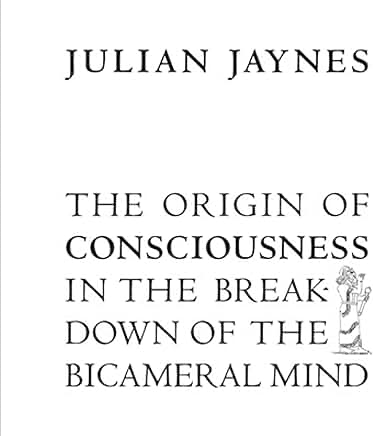
In the context of our impending post-work era, Jaynes’s theory relates profoundly as a metaphor for the “breakdown” we may face when career-defined identities dissolve. Just as ancient bicameral minds relied on external “voices” (gods, kings, rituals) for guidance, modern humans depend on vocational structures jobs, hierarchies, and productivity metrics for purpose and direction. As AI and robotics erode these, we confront a similar crisis: the silence of old commands, leading to disorientation, anxiety, and a need for new inner dialogue. Jaynes describes the transitional anguish in texts like the Old Testament, where divine voices fade into personal conscience; similarly, post-scarcity abundance could trigger existential voids, resurfacing primal fears of chaos without external authority. This book warns that without intentional adaptation, the shift risks psychological fragmentation, but it also offers hope: breakdowns precede breakthroughs in awareness.
Tied to the Hero’s Journey, Jaynes’s framework mirrors the Ordeal and Apotheosis, where the hero’s old worldview shatters, forging integrated consciousness. The bicameral breakdown parallels the Inmost Cave’s trials, transforming hallucinatory obedience into self-authored meaning. In our collective quest, this relates as a call to evolve beyond job-commanded lives toward introspective, creative selves, the Ultimate Boon being a unified mind capable of wonder and autonomy. Jaynes’s surprises with its applicability: written in the 1970s amid cultural upheavals, it equips us for technological ones, reminding us that consciousness is malleable, and abundance could catalyze a new epoch of human interiority.
The Magical Child Awakens: Joseph Chilton Pearce’s Vision
Central to this rebirth is the reclamation of the Magical Child, as illuminated in Joseph Chilton Pearce’s seminal work Magical Child (1977) (https://amzn.to/4973g57). Pearce argues that every infant arrives with an innate, radiant capacity for wonder, direct engagement with the world, and boundless learning. This is a state of pure potential that modern society often stifles through rigid education, clinical birth practices, and conformity pressures. Drawing on Jean Piaget’s developmental psychology, Pearce traces the mind-brain’s natural unfolding from birth, emphasizing that the child is driven by one imperative: to explore and master the environment through play. He critiques how interventions disrupt this: for instance, hospital births that separate mother and child interrupt the bonding essential for neurological growth, leading to a dulled sense of wonder in adulthood.
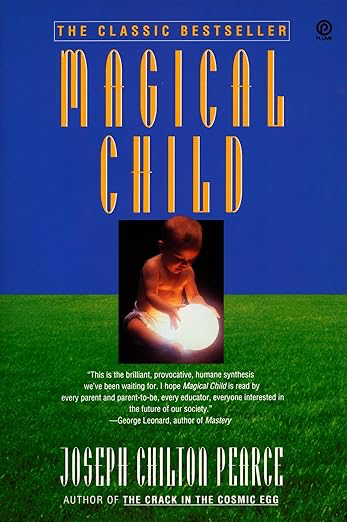
In the Ordinary World of achievement-oriented adulthood, this Magical Child is suppressed, deemed childish or impractical amid the demands of career and productivity. Yet when vocational identity dissolves, it emerges as a vital ally on the Hero’s Journey. Pearce shows how nurturing this archetype through gentle parenting, intuitive bonding, and freedom to play unlocks creative intelligence far beyond conventional logic. The book details stages of development where interference (from over-structured schooling to disconnected birth) disrupts natural genius, leading to anxiety, limitation, and a disconnection from one’s innate potential. Restoring the Magical Child means reclaiming joy, intuition, and the belief that “nothing is impossible,” transforming the post-work landscape from one of loss to one of endless possibility.
In the context of our collective Hero’s Journey, this awakening occurs on the Road of Trials: as the old self crumbles, suppressed wonder revives, infusing the Apotheosis with enchantment. Pearce’s message that it is never too late to play and rediscover this state becomes the elixir for the Return. The Magical Child fuels invention, art, and presence, ensuring that abundance becomes a playground rather than a void. For those facing the end of career-defined lives, Pearce offers a profound reminder: the child within holds the key to renewal, turning crisis into a magical rebirth.
Companions on the Journey: Books Aligned with the Monomyth
How Will You Measure Your Life? by Clayton M. Christensen (2012) (https://amzn.to/3MOuZjO)https://amzn.to/3MOuZjO serves as the initial Call to Adventure in our monomyth. Christensen, a Harvard Business School professor known for his theories on disruptive innovation, turns his analytical lens inward, drawing from his own battle with cancer and observations of high-achieving students. The book challenges the reader to apply business frameworks such as resource allocation and strategy to personal fulfillment, warning against the “marginal cost” trap where small daily compromises in ethics or relationships lead to long-term regret. Through anecdotes of former students who climbed corporate ladders only to find their lives hollow, Christensen illustrates how career success often masks deeper dissatisfaction, prompting the question: If work no longer provides the measure, what will?
This work resonates deeply in the context of impending automation, where the Ordinary World of job-centered identity is disrupted. Christensen urges intentionality: prioritize relationships, integrity, and long-term purpose over short-term gains like promotions or wealth. He shares personal stories, such as a classmate who sacrificed family time for ambition and ended up divorced and estranged, to show how misaligned metrics erode life’s foundation. The book acts as a herald, summoning the hero to cross the threshold with forethought rather than reactive panic, preventing the drift that could follow vocational loss.
In tying to the Hero’s Journey, Christensen’s volume provides Supernatural Aid for the early stages, equipping the reader with tools to redefine success. The Ultimate Boon here is a coherent life narrative, one where purpose stems from character and connections. For those sensing the ground shift, it offers clarity: the true disruption is not technological but existential, and measuring life by enduring values ensures a triumphant Return.
Man’s Search for Meaning by Viktor E. Frankl (1946) (https://amzn.to/4qo8ccS) embodies the supreme Ordeal in the belly of the whale, where all external structures are stripped away. Frankl, a psychiatrist who survived Auschwitz and other concentration camps, divides the book into two parts: a harrowing account of camp life and an introduction to logotherapy, his theory that meaning is the primary motivational force in humans. He observed that prisoners who endured possessed an inner purpose through love, small acts of kindness, or defiant attitude while those without succumbed to despair. Frankl recounts personal experiences, like visualizing his wife’s face to sustain him, demonstrating how meaning transcends circumstances.
For individuals whose identity has fused with their career, Frankl’s insights reframe job loss as an opportunity to discover the “last of the human freedoms”: the ability to choose one’s response to any situation. The book details how camp life dismantled professional selves doctors became laborers, intellectuals scavengers yet dignity emerged from internal choices. This parallels the post-work void, where societal validation evaporates, and old wounds of inadequacy surface; Frankl shows that suffering, when met with purpose, becomes a path to growth.
In the Hero’s Journey, this work represents the Inmost Cave and Ordeal, transforming crisis into the Boon of resilient meaning. Logotherapy’s techniques, like dereflection (focusing outward) and paradoxical intention (embracing fears), provide practical aids for the Return. Frankl’s message endures: even in abundance without labor, meaning is an inside job, ensuring the hero emerges stronger.
The Myth of Sisyphus by Albert Camus (1942) (https://amzn.to/4sru1ua)
confronts the absurd in the aftermath of purpose’s collapse, aligning with the Atonement with the Father where the hero accepts life’s inherent contradictions. Camus’s philosophical essay explores the clash between humanity’s desire for meaning and the universe’s silence, using the myth of Sisyphus condemned to push a boulder uphill eternally as a metaphor for human existence. He rejects suicide or leaps of faith, advocating instead “revolt”: lucid acceptance and passionate engagement with the absurd. Camus describes Sisyphus’s descent as a moment of consciousness, where scorn for his fate breeds happiness.
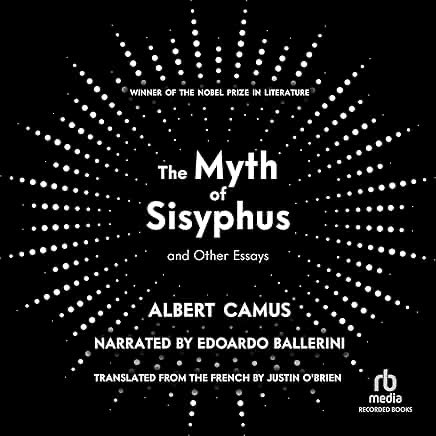
In our context, the repetitive grind of traditional jobs mirrors Sisyphus’s labor; when automation renders it optional, the absurd remains what now? Camus’s archetypes the lover, actor, conqueror illustrate living fully without illusion, offering defiance against post-work drift. The essay delves into literary examples, like Don Juan’s endless pursuits, to show joy in the process rather than outcome, addressing the shame and emptiness when career narratives end.
Tied to the monomyth, this book facilitates the Apotheosis: embracing absurdity as freedom. The Boon is defiant joy, turning the Return into a celebration of life’s flux. Camus surprises with its relevance written amid war, it equips us for technological peace’s existential trials.
Homecoming: Reclaiming and Championing Your Inner Child by John Bradshaw (1990) (https://amzn.to/49aabe2) guides the Meeting with the Goddess through inner healing, awakening suppressed aspects for renewal. Bradshaw, a therapist, explores how childhood experiences shape adult self-worth, often linking love to achievement and suppressing creativity. The book offers exercises in visualization, letter-writing to the inner child, and reparenting to heal wounds like abandonment or criticism, drawing on family systems theory and recovery models.
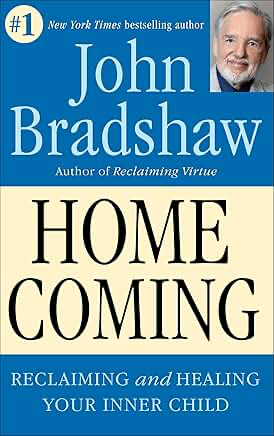
For those losing vocational identity, Bradshaw reveals how careers masked these fractures; displacement resurfaces them, amplifying despair. He details stages the wounded child, the wonder child (akin to the Magical Child) showing how reclaiming play and intuition rebuilds self-esteem. Case studies of adults rediscovering joy through therapy illustrate transformation from rigidity to fluidity.
In the Hero’s Journey, this work aids the Road of Trials, turning internal enemies into allies. The Boon is integrated wholeness, enabling a Return with authentic presence. Bradshaw’s approach ensures the post-work self is vibrant, not vacant.
The Completion Process: The Practice of Putting Yourself Back Together Again by Teal Swan (2016) (https://amzn.to/49pBMci) equips for the Inmost Cave, resolving trauma that erupts during transition. Swan’s 18–20 step method creates a mental “haven” to revisit memories safely, validate emotions, and integrate fragmented selves, blending psychology and spirituality. She explains trauma as looped energy, often from childhood where worth tied to utility bred fears of uselessness. We all have trauma from our childhood, the issue is we may shield it for protection and most often it arises when new trauma is introduced. We will have new trauma in the next 5000 days.
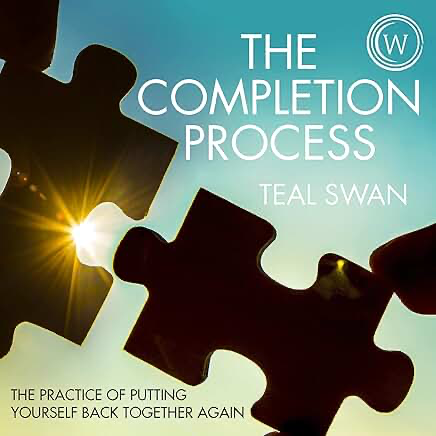
When job loss unmasks these, Swan’s process prevents spiraling: steps like emotional mirroring close cycles, turning anxiety into strength. Personal anecdotes and guided exercises make it accessible, addressing relational strains and self-sabotage.
Aligned with the monomyth, it facilitates the Ordeal’s depth work, yielding the Boon of empowerment. The Return brings healed wholeness, vital for thriving in abundance.
Working Identity: Unconventional Strategies for Reinventing Your Career by Herminia Ibarra (2003, updated 2023) (https://amzn.to/4qsntcX) navigates the Tests, Allies, and Enemies phase with practical reinvention. Ibarra, a professor, rejects “know thyself first” myths, showing identity forms through action experiments, networks, prototypes. Case studies of mid-career shifts (e.g., banker to nonprofit leader) highlight provisional selves easing transition.
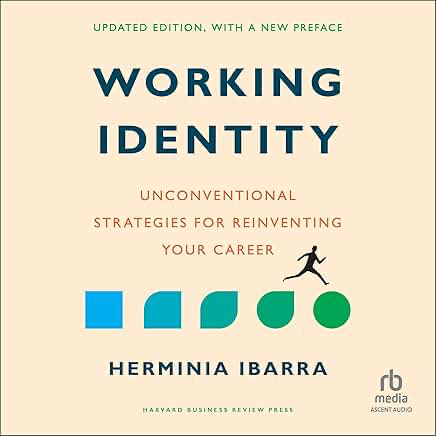
F
or career-loss victims, it counters paralysis: small tests rebuild narrative, addressing grief and uncertainty. Ibarra discusses cognitive biases like sunk-cost fallacy that trap us in old roles.
In the Journey, this provides Supernatural Aid for trials, the Boon being adaptive identity. The Return is confident evolution.
The Middle Passage: From Misery to Meaning in Midlife by James Hollis (1993) (https://amzn.to/4aqA5MR) treats descent as mythic, aligning with the Belly of the Whale. Hollis, Jungian analyst, frames midlife/career-end as ego collapse, demanding soul reconnection. Client stories show rage and depression yielding to individuation.
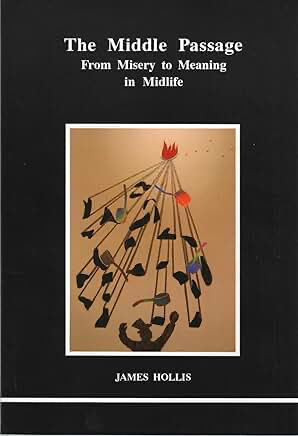
It addresses resurfacing shadows unlived creativity mirroring post-work voids. Hollis guides mourning the false self toward authenticity.
Tied to the monomyth, it deepens the Ordeal, Boon as mature wisdom. The Return integrates psyche.
Meditations by Marcus Aurelius (c. 170–180 AD) (https://amzn.to/49s3ZPO) offers stoic wisdom for daily Trials. The emperor’s journal emphasizes virtue over externals, reminding that roles are transient. Reflections on mortality detach worth from status.
For modern readers, it anchors dignity amid change, countering shame. Aurelius’s self-admonitions foster resilience.
In the Journey, it serves as ongoing Aid, Boon inner peace. The Return is equanimous living.
Tuesdays with Morrie by Mitch Albom (1997) (https://amzn.to/4p5KJfx) illustrates the Return with the Elixir. Morrie, dying professor, teaches identity in love, forgiveness, presence not titles. Lessons shift from doing to being.
It heals productivity grief, emphasizing legacy through connections. Albom’s narrative inspires relational focus.
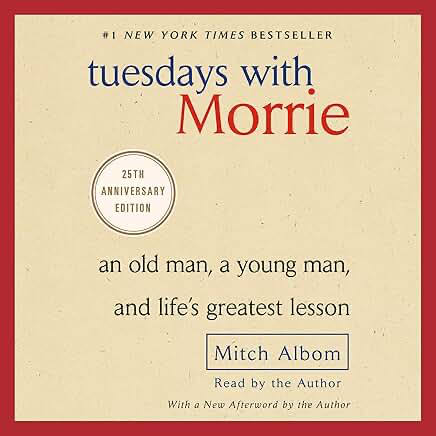
Aligned, it embodies the Return, Boon shared wisdom. The hero gifts community.
Designing Your Life: How to Build a Well-Lived, Joyful Life by Bill Burnett and Dave Evans (2016) prototypes selves in Resurrection. Using design thinking, it offers mind maps, odyssey plans, rapid tests for new identities.
For liminality, exercises turn undefined into exploration, building non-work fulfillment.
In the monomyth, it aids rebirth, Boon joyful design. The Return innovates life.
Your Happiness Portfolio® for Retirement: It’s Not About the Money! by Rickie Oehser (recent, post-2020) (https://amzn.to/4qiNzyO) diversifies fulfillment, preventing collapse. Treating happiness as assets, exercises build pillars like volunteering, hobbies.
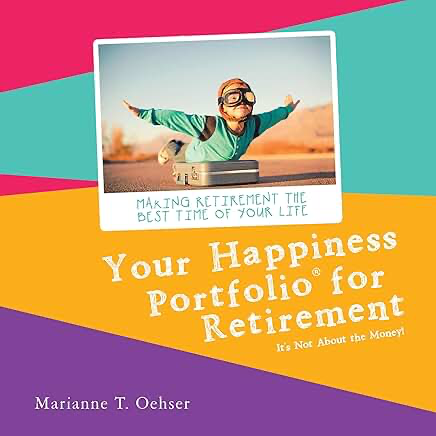
Stories of retirees spiraling then recovering show diversification’s power.
Tied to the Journey, it equips for the Return, Boon balanced abundance.
The Road Less Traveled by M. Scott Peck (1978) (https://amzn.to/3MOHXhu) explores maturation beyond external scaffolds, aligning with the Road of Trials where discipline forges character. Peck, a psychiatrist, blends psychology and spirituality to discuss delayed gratification, honest love, and embracing life’s difficulties as growth paths. He argues that true fulfillment comes from confronting problems rather than avoiding them, using patient stories to illustrate how evasion leads to neurosis.
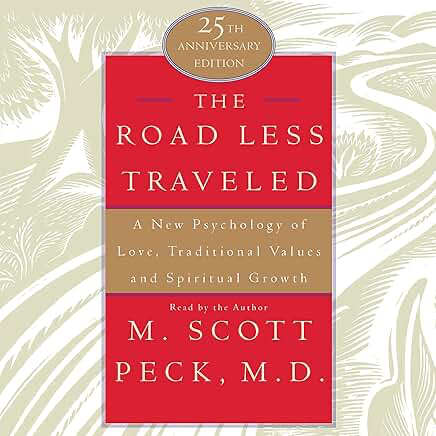
In post-work contexts, when career structures vanish, Peck addresses the void: without routine, old patterns surface, demanding discipline for new meaning. The book details four tools dedication to truth, balancing, bracketing, and grace to build inner strength, countering entitlement or despair.
In the monomyth, it provides Aid for trials, Boon mature identity. The Return is graceful living.
The Power of Purpose: Creating Meaning in Your Life and Work by Richard J. Leider (1997, multiple editions) (https://amzn.to/45iV68Ll) shifts from vocational to existential purpose, serving as Supernatural Aid for the threshold. Leider guides readers through exercises to map gifts, passions, and values, applying them beyond jobs. He shares stories of people “retiring from” old meaning to “retire to” broader contribution.
For those grieving career loss, it reframes transition as rediscovery, addressing grief and drift with practical frameworks.
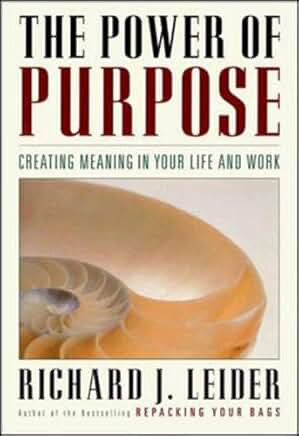
Tied to the Journey, it equips for trials, Boon intrinsic purpose. The Return shares wisdom.
The Good Enough Job: Reclaiming Life from Work by Simone Stolzoff (2022) (https://amzn.to/4pQKQg6) critiques workaholism as identity theft, aligning with Refusal of the Call cultural deconstruction. Stolzoff examines how prestige equates to worth, profiling post-layoff emptiness. He offers tools for non-work pursuits, challenging productivity myths.
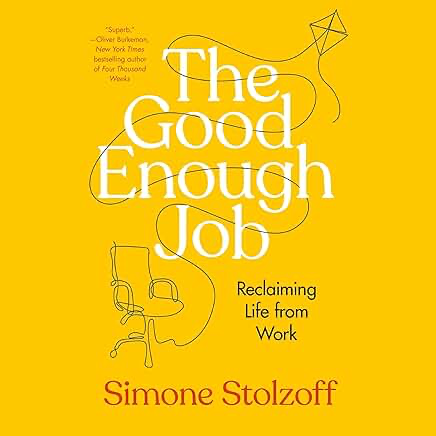
In automation’s wake, it prevents drift, shifting to play and community.
In the monomyth, it clears obstacles, Boon reclaimed self. The Return is balanced.
The Alchemist by Paulo Coelho (1988) (https://amzn.to/3MTDs5a) fables following one’s “Personal Legend,” embodying the Call to Adventure. Coelho tells of a shepherd pursuing dreams despite setbacks, blending mysticism with omens and heart-listening.
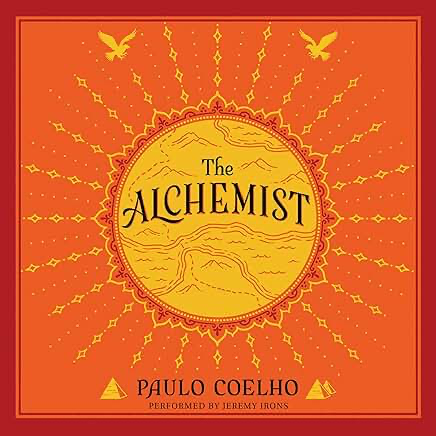
For post-career voids, it inspires proactive meaning, countering passivity.
Tied to the Journey, it summons the quest, Boon realized destiny. The Return fulfills legend.
Ikigai: The Japanese Secret to a Long and Happy Life by Héctor García and Francesc Miralles (2016) (https://amzn.to/4pMgpYw) explores “reason for being,” intersecting love, skills, needs, and pay transcending jobs. Drawing on Okinawan longevity, it offers frameworks for purpose.
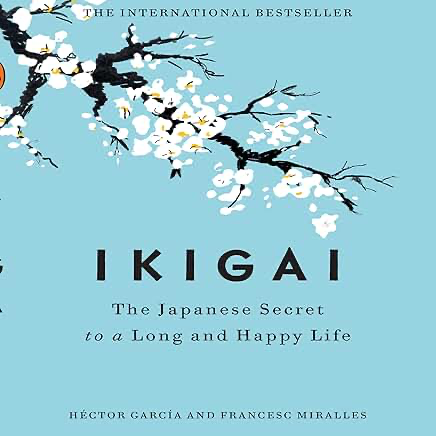
In abundance, it guides diversification, preventing emptiness.
In the monomyth, it aids trials, Boon harmonious life. The Return is longevity.
Drive: The Surprising Truth About What Motivates Us by Daniel H. Pink (2009) (https://amzn.to/4jfDe4s) reveals intrinsic motivation autonomy, mastery, purpose over rewards, aligning with Apotheosis. Pink cites research showing extrinsic drives fail long-term.
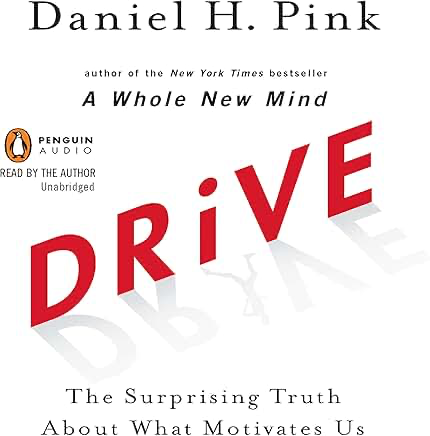
For fading careers, it explains hollow success, redirecting to intrinsics.
Tied to the Journey, it transforms understanding, Boon motivated self. The Return inspires others.
Areté: Activate the Ancient Greek Secret to Living Well by Brian Johnson (modern, drawing ancient) revives excellence/virtue, combining Stoicism, Aristotle, science into practices. Johnson synthesizes for daily flourishing.
In post-work, it builds character when “doing” fades.
In the monomyth, it equips for Ordeal, Boon virtuous life. The Return exemplifies areté.
Walden by Henry David Thoreau (1854) (https://amzn.to/3LfmRZ6) rejects busyness for simple living, aligning with Refusal’s critique. Thoreau’s pond experiment questions “enough,” critiquing consumerism.
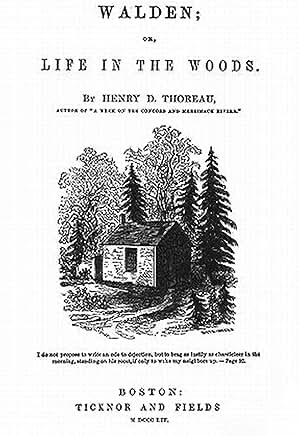
For AI abundance, it urges intentionality, connecting to nature/self.
Tied to the Journey, it clears illusions, Boon self-reliance. The Return simplifies society.
Ten More Surprising Books from Earlier Eras
These older volumes, often overlooked in modern discussions, offer unexpected depth for the post-work soul:
- Flowers for Algernon by Daniel Keyes (1966) (https://amzn.to/3Yuzlzf) : Identity, intelligence, and societal worth in poignant fiction.
- Siddhartha by Hermann Hesse (1922) (https://amzn.to/4992kNA) : A spiritual quest beyond conventional paths.
- The Wisdom of Insecurity by Alan Watts (1951)(https://amzn.to/4pg5yoP) : Embracing the present amid anxiety.
- The Divided Self by R. D. Laing (1960) : Exploring authenticity in a false world.
- Zen and the Art of Motorcycle Maintenance by Robert M. Pirsig (1974) (https://amzn.to/4qK7zeb) : Quality, care, and meaning in everyday acts.
- The Prophet by Kahlil Gibran (1923) (https://amzn.to/3KPB3rH) : Poetic wisdom on love, work, and joy.
- The Second Sex by Simone de Beauvoir (1949) (https://amzn.to/3Y7d36p) : Existential freedom beyond roles.
- Civilization and Its Discontents by Sigmund Freud (1930) (https://amzn.to/4jdfAW5) : Tensions between instinct and society.
Simple Action Plan: Beginning January 1, 2026
Assume your position holds through the new year but will erode over the coming 5000 days. This plan is for all of us; the ground shifts under everyone. Thriving demands infrastructure built now.
January–March 2026: Healing the Foundations
Read Teal Swan’s Completion Process and Bradshaw’s Homecoming; daily 20-minute guided inner-child meditation (Teal’s resources or similar). Journal old wounds tied to achievement (e.g., “Love was conditional on performance”). Weekly “wonder walks” to reconnect with curiosity. Check-in: End of each month, rate emotional baseline (1–10); note shifts in shame or wonder.
April–June 2026: Experimentation & Diversification
Read Working Identity and Designing Your Life. Run 3 “provisional selves” experiments (e.g., volunteer mentoring, hobby class, informational interviews). Build Happiness Portfolio: list 5–7 non-work pillars; dedicate 1 hour/week each. Read The Good Enough Job for cultural reframing. Monthly check-in: Reflect on what feels meaningful without pay? Adjust experiments.
July–December 2026: Deepening & Integration
Read Meditations (daily morning reading) and The Middle Passage. Read Tuesdays with Morrie + relationship audit: deepen 3 key connections. Quarterly review: What feels meaningful without pay? Adjust experiments. End-year ritual: Write “letter to future self” (2039) on purpose beyond job.
Ongoing Habits (2026 onward):
Weekly shadow/reflection time (Teal-inspired). Monthly purpose-check: Am I nurturing Magical Child wonder? Community: Join/find groups discussing post-work meaning (online forums, philosophy circles). Annual deep dive: Re-read 2–3 books; update portfolio.
This isn’t preparation for loss. It is liberation in advance. We face this together; the ground will shift under us all. Those who thrive will have woven a rich, multi-threaded life where purpose is internal, relationships are primary, and wonder remains alive. Start January 1, 2026. The future self you build now will thank you.
Please Save Your Wisdom
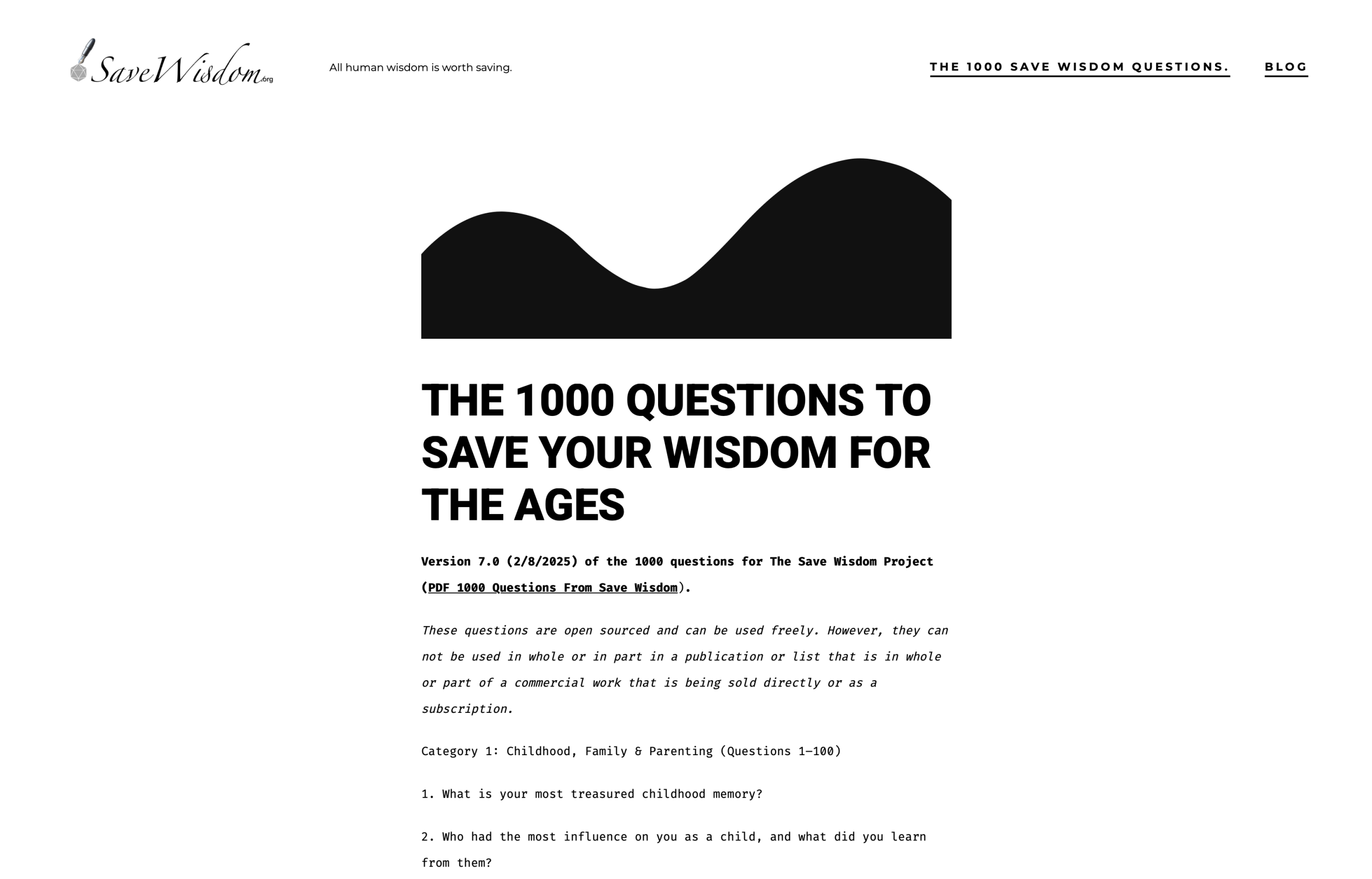
One powerful way to mark your life thus far and catalog your journey through this transformation is to participate in the SaveWisdom.org process. This project, dedicated to preserving human wisdom, offers 1000 thoughtful questions designed to elicit deep reflections on your experiences, values, and insights. By engaging in emotive personal and private recordings, whether for yourself, your family, or the world, you can stir and surface the things that may need to be considered in your life, uncovering hidden lessons, unresolved emotions, and forgotten joys that the busyness of career often buries. These recordings become a profound archive, helping you process the shifts ahead and build a legacy of authenticity. Crucially, SaveWisdom.org plays a vital role in the development of personal AI: by capturing your unique voice, stories, and wisdom through these recordings, it enables the creation of AI models that truly reflect your essence, providing personalized guidance, companionship, and preservation of your intellectual and emotional heritage in an age where technology amplifies human potential. Embracing this process is not just archival; it is a heroic act of self-discovery and contribution to the collective human story.
Go there now and star the 1000 questions. And maybe more. It is not work, it is your labor of love.
We are on this journey together. Some of us stand on the shoulders of giants and have thought about this for decades. We will not go it alone, and I hope to build many parts to this series and share the mastermind insight from the powerful Read Multiplex member Forum: https://readmultiplex.com/forums/topic/you-have-5000-days-how-to-navigate-the-end-of-work-as-we-know-it-part-1/. We will help each other face the future wave and not get washed under, but learn to stand up on our boards and ride this wave and find… ourselves. Join us.
What will YOU do in the next 5000 days?
To continue this vital work documenting, analyzing, and sharing these hard-won lessons before we launch humanity’s greatest leap: I need your support. Independent research like this relies entirely on readers who believe in preparing wisely for our multi-planetary future. If this has ignited your imagination about what is possible, please consider donating at buy me a Coffee or becoming a member.
Every contribution helps sustain deeper fieldwork, upcoming articles, and the broader mission of translating my work to practical applications. Ain ‘t no large AI company supporting me, but you are, even if you just read this far. For this, I thank you.
Stay aware and stay curious,

🔐 Start: Exclusive Member-Only Content.
Membership status:
🔐 End: Exclusive Member-Only Content.
~—~
~—~

~—~
Subscribe ($99) or donate by Bitcoin.
Copy address: bc1qkufy0r5nttm6urw9vnm08sxval0h0r3xlf4v4x
Send your receipt to [email protected] to confirm subscription.

Stay updated: Get an email when we post new articles:

THE ENTIRETY OF THIS SITE IS UNDER COPYRIGHT. IMPORTANT: Any reproduction, copying, or redistribution, in whole or in part, is prohibited without written permission from the publisher. Information contained herein is obtained from sources believed to be reliable, but its accuracy cannot be guaranteed. We are not financial advisors, nor do we give personalized financial advice. The opinions expressed herein are those of the publisher and are subject to change without notice. It may become outdated, and there is no obligation to update any such information. Recommendations should be made only after consulting with your advisor and only after reviewing the prospectus or financial statements of any company in question. You shouldn’t make any decision based solely on what you read here. Postings here are intended for informational purposes only. The information provided here is not intended to be a substitute for professional medical advice, diagnosis, or treatment. Always seek the advice of your physician or other qualified healthcare provider with any questions you may have regarding a medical condition. Information here does not endorse any specific tests, products, procedures, opinions, or other information that may be mentioned on this site. Reliance on any information provided, employees, others appearing on this site at the invitation of this site, or other visitors to this site is solely at your own risk.
Copyright Notice:
All content on this website, including text, images, graphics, and other media, is the property of Read Multiplex or its respective owners and is protected by international copyright laws. We make every effort to ensure that all content used on this website is either original or used with proper permission and attribution when available.
However, if you believe that any content on this website infringes upon your copyright, please contact us immediately using our 'Reach Out' link in the menu. We will promptly remove any infringing material upon verification of your claim. Please note that we are not responsible for any copyright infringement that may occur as a result of user-generated content or third-party links on this website. Thank you for respecting our intellectual property rights.
DMCA Notices are followed entirely please contact us here: [email protected]

Profound as always. You did not mention Wall-E tho…that’s probably something that we need to make sure we avoid, right? That is a movie where there is profound abundance…